

Reviewed · COOKING CLASSES
Lima Cooking Class
Dinner starts with a lesson. This two-hour Lima cooking class gives you a hands-on way to understand Peruvian food, with chef Andres Rosas guiding a small group of no more than eight people through ceviche, lomo saltado, and pisco sour. I like the personal scale and the chance to cook rather than simply watch, and I especially like that you eat the food you prepare.
The class is also useful for cooks with dietary concerns, since Andres has shown care with food allergies and can help you adapt your dish. The main consideration is the short format: you get a focused introduction, not a full culinary course, and the $84 price makes the experience best for people who value instruction, a shared dinner, and a memorable local activity.
In This Review
- Key points to know before booking
- Why this class works for a Lima evening
- Meeting Chef Andres Rosas in Chorrillos
- Making ceviche mixto your own
- Cooking lomo saltado over high heat
- Mixing a pisco sour to finish
- What the two-hour format really gives you
- Is $84 a fair price?
- Food allergies and participation
- Booking, cancellation, and timing tips
- Who should book this Lima cooking class?
- Should you book it?
- FAQ
- How long does the Lima cooking class last?
- What time does the experience start?
- Where does the class begin?
- What dishes do you prepare?
- How many people can join the class?
- Is cancellation free?
Key points to know before booking
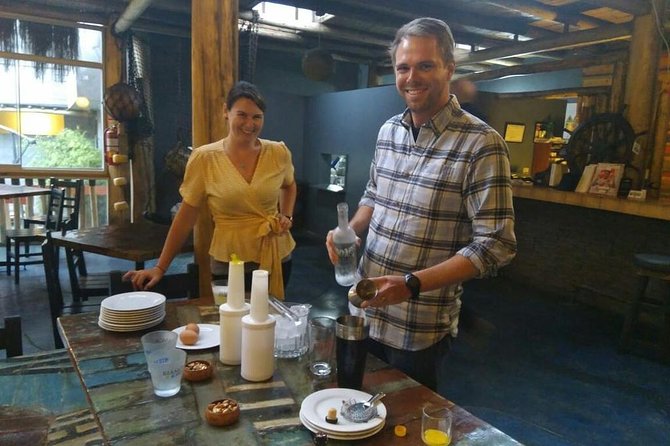
- Small group of up to eight: You get more room to ask questions and work directly with the chef.
- Three Peruvian staples: The class covers mixed ceviche, lomo saltado, and pisco sour.
- Chef Andres Rosas leads the session: He demonstrates each preparation before giving you a turn.
- Dinner is part of the lesson: You prepare the dishes and then enjoy what you make.
- Hands-on cooking matters: You may create your own ceviche style and cook lomo saltado in the chef’s kitchen.
- Convenient evening schedule: The class begins at 5:30 p.m. in Chorrillos and returns to the same meeting point.
Why this class works for a Lima evening

Lima is a strong place to study food because Peruvian cooking brings together seafood, meat, chili, citrus, rice, and Chinese-Peruvian influences. You can sample those flavors in restaurants, but a cooking class lets you see how they are built. That difference matters. Instead of only remembering what a dish tasted like, you leave with a better sense of how to prepare it yourself.
I like the class because it avoids the feel of a large demonstration. With a maximum of eight people, the chef can give individual attention and watch your technique. The small group also makes it easier to talk through flavor choices, ask about ingredients, and take part without waiting behind a crowd.
The class is offered in English, which makes the instruction easier to follow if you do not speak Spanish. Chef Andres Rosas is described as an internationally recognized chef and restaurant owner, and his teaching style begins with a demonstration before you try the same dish yourself. That structure is helpful for beginners because you see the steps first, then repeat them with guidance.
At the same time, keep your expectations in check. Two hours is enough for a lively introduction and a complete meal, but not enough to cover every technique behind Peruvian cuisine. You are getting a concentrated evening activity, not a professional kitchen course.
More Cooking Classes in Lima
- #1 Reviewed Lima Cooking Class
★ 5.0 · 995 reviews - Peruvian Cooking Class, Local Market Tour & Exotic Fruit Tasting
★ 5.0 · 744 reviews - Authentic 4-dish Peruvian Food Cooking Class in Lima + Pisco Sour
★ 5.0 · 126 reviews
Meeting Chef Andres Rosas in Chorrillos
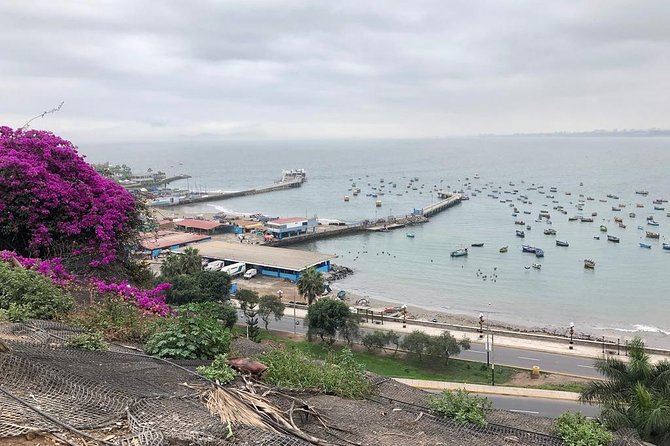
The experience begins at 5:30 p.m. at P.º Soldado Desconocido 209, Cercado de Lima 15064, Peru. The itinerary identifies Chorrillos as the stop, and the class ends back at the meeting point.
That fixed start time works well if you want to make it your evening meal. I would arrive with enough time to locate the address and settle in, since a cooking class is much more enjoyable when you are not rushing through the door. The mobile ticket is useful for keeping your booking details at hand.
The meeting point is near public transportation, which helps if you are planning your own way there. The supplied details do not specify hotel pickup, so you should plan on reaching the starting address independently. You should also confirm your route and allow time for Lima traffic, particularly if you are coming from another part of the city.
Service animals are allowed. Beyond that, the published information does not give specific accessibility details, so you should ask the provider directly if you need information about kitchen access or mobility arrangements.
Once the class begins, Andres first creates the dish or drink himself. You then make your own version. That method gives the evening a good rhythm: watch, try, taste, and adjust.
Making ceviche mixto your own
Ceviche mixto is the opening dish, and it is a smart choice for a cooking class. Ceviche looks simple on the plate, but its final taste depends on balance. Citrus, seasoning, seafood, and heat must work together without one element taking over.
The class gives you a chance to see that process before making your own portion. You are not limited to copying the chef exactly. One participant created a sweet and spicy version, while a spouse made an Asian-influenced version. That detail points to one of the class’s best features: you can use the basic method as a starting point and shape the flavor to suit your palate.
For you, this means the ceviche section may be more than a recipe lesson. It is a short exercise in making choices. Do you want more heat? A sweeter edge? A different balance of seasoning? Andres can show you the framework, then help you adjust it.
The seafood course is also where food allergies matter most. Andres has accommodated an allergy during the class and helped the participants feel comfortable. Still, you should tell the provider about any allergy before the activity rather than waiting until cooking begins. The supplied information confirms that one allergy was handled well, but it does not promise that every ingredient can be replaced.
The biggest benefit here is freshness of participation. You prepare the ceviche, taste your own version, and learn why it works. For anyone who usually orders ceviche but has never made it, this is likely the most eye-opening part of the evening.
Cooking lomo saltado over high heat
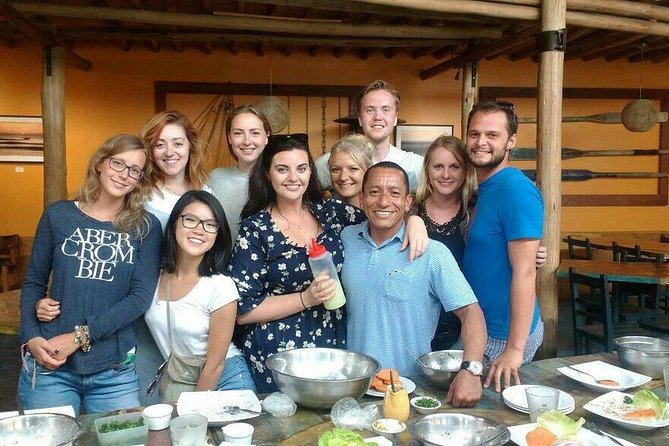
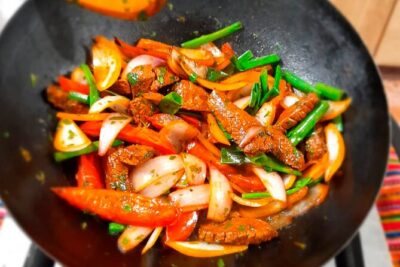
The main course is lomo saltado, one of Peru’s best-known comfort foods. It combines beef with a fast cooking method and Chinese-Peruvian influence. The dish is especially useful for teaching heat control because the meat needs a strong sear for good flavor.
Andres demonstrates the process, then lets you move into the chef’s kitchen to cook. The kitchen work includes plenty of fire, which helps explain how the meat develops that deep seared taste. This is more practical than watching a chef handle everything while you stand aside. You get a direct lesson in timing, heat, and confidence at the stove.
I like this section because it turns a familiar restaurant dish into a technique lesson. A plate of lomo saltado can seem effortless when it arrives at the table. Cooking it yourself shows that the result depends on fast action and a hot pan. You also get to eat the finished dish, so the lesson comes with an immediate reward.
The kitchen setting may not suit someone who wants a quiet, polished dinner from start to finish. Cooking involves movement, attention, and a willingness to participate. You should expect to handle the food and take your turn rather than sit back for the whole evening.
Because the group is capped at eight, you have a better chance of getting meaningful time at the stove. In a large class, the practical part can become a quick turn with little feedback. Here, the format is designed for closer guidance, though your exact amount of cooking time may depend on the group and the pace of the meal.
More cooking sessions in Lima:
- 4 Course Peruvian Cooking Class
★ 5.0 · 122 reviews - Market Tour, Tasting of 35 Fruits, and 4-Course Peruvian Cooking Class in Lima
★ 5.0 · 86 reviews - #1 Rated Cooking Classes with Local Market Tour & Pickup
★ 5.0 · 69 reviews - Miraflores: Amazing Peruvian Cooking Class Ceviche Seafood and Pisco Sour
★ 4.9 · 57 reviews
Mixing a pisco sour to finish
The final listed preparation is a pisco sour. It is described as the dessert course in the sample menu, though it is more accurately a cocktail and a fitting way to close a Peruvian meal.
Like the food courses, the drink is demonstrated first and then prepared by you. That gives the class a broader reach than a standard cooking lesson. You learn both a savory menu and a well-known Peruvian cocktail, making the evening feel like a complete introduction to local dining rather than a single recipe workshop.
The pisco sour also provides a change of pace after the ceviche and lomo saltado. You move from seafood preparation to high-heat cooking, then finish with a drink. In two hours, that variety helps the class feel full without trying to cover too many dishes.
The class includes dinner, with the three featured preparations forming the meal. The provided details do not list additional drinks, side dishes, or dessert beyond the pisco sour, so you should think of this as a focused menu rather than a long multi-course feast.
What the two-hour format really gives you
Two hours is a useful length for an evening in Lima. It is long enough to cook several items and sit down to enjoy them, but short enough to fit into a busy itinerary. You can pair it with an earlier afternoon activity without giving up the whole day.
The tradeoff is pace. You will probably move from demonstration to preparation without long breaks. If you want to ask many questions about Peruvian ingredients, cooking traditions, or substitutions, use the small group to your advantage and speak up.
I would choose this class for someone who wants to do something active after sightseeing. It gives you a meal, a lesson, and a chance to meet other people in a compact setting. Couples can also enjoy the contrast between making separate versions of a dish, as the ceviche example shows.
It is less suitable if you are looking for a long, relaxed restaurant dinner or a broad tour of Lima’s food markets. The class stays centered on three preparations at one location. That focus is a strength for learning, but a limitation if you want a wider food crawl.
Is $84 a fair price?
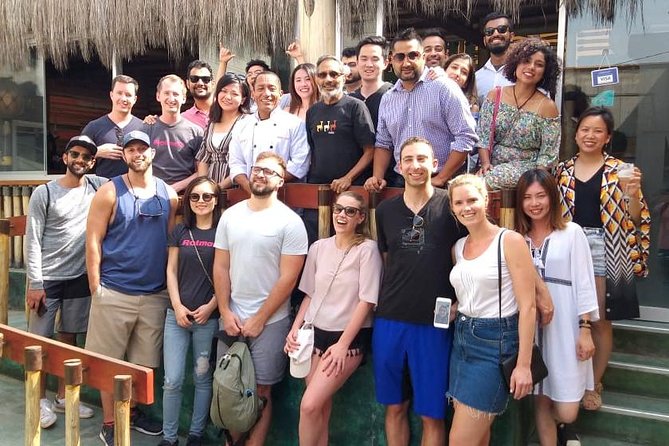
At $84 per person, the cost is not a bargain meal. You can find cheaper food in Lima, and a regular restaurant dinner may cost less. The value comes from the instruction, the chef’s guidance, the small group, and the fact that your meal is part of the activity.
I see the price as reasonable for a special evening if you are interested in cooking. You are paying for more than ingredients. You receive a structured lesson, hands-on kitchen time, and a professional chef who demonstrates each course. The maximum of eight people improves the odds that the instruction feels personal rather than generic.
The price is harder to justify if you mainly want to eat. In that case, a restaurant offers a simpler way to sample Peruvian food. This class makes sense when you want to understand the dishes and take part in producing them.
The dinner element also helps with value. You do not need to book a separate evening meal afterward, assuming the featured dishes provide enough food for you. Since the menu centers on ceviche, lomo saltado, and pisco sour, anyone with a large appetite or strong dietary restrictions should confirm the details before booking.
Food allergies and participation
The allergy accommodation is one of the most useful details for deciding if this class fits you. Andres has adjusted the experience for a food allergy and made the participant feel at ease. That suggests a thoughtful approach to individual needs.
Still, you should treat this as a reason to communicate early, not as a blanket guarantee. The available information does not identify the specific allergy, the replacement ingredients, or whether cross-contact can be avoided. Contact the provider before the class if you need strict controls.
The experience is made for participation. You will be asked to prepare your own food and drink, not simply observe. That makes it a good pick for curious home cooks, first-time cooks, couples, and people who remember meals better when they have a hand in making them.
Booking, cancellation, and timing tips
This activity is often booked about 20 days ahead, so I would reserve early if your Lima dates are fixed. Confirmation is received at booking, and the activity is offered in English.
You can cancel for a full refund up to 24 hours before the 5:30 p.m. start time. Cancellations or changes made less than 24 hours before the start are not refunded or accepted. The cut-off uses local time, so pay attention to the time in Lima when changing plans.
The class requires a minimum number of participants. If that minimum is not reached and the experience is canceled, you are offered another date or experience, or a full refund. That policy gives you a fallback, but it is another reason not to build an unchangeable evening around the class until your plans are firm.
Who should book this Lima cooking class?
I would recommend it to you if you want a direct introduction to Peruvian cooking and prefer doing over watching. The class is particularly well suited to:
- Home cooks who want practical techniques they can repeat
- Couples who like making and comparing their own dishes
- People with a strong interest in ceviche or lomo saltado
- English-speaking visitors seeking a guided evening activity
- Anyone who values a small group and personal instruction
I would hesitate if you dislike cooking, have very strict dietary requirements that have not been confirmed, or want a wide range of dishes. The menu is fixed around three preparations, and the two-hour schedule leaves little room for a long meal or extended food discussion.
Should you book it?
Book this class if you want to turn dinner into an activity. The combination of a group limited to eight, chef Andres Rosas’s demonstrations, hands-on ceviche and lomo saltado preparation, and a pisco sour makes the evening more useful than a standard meal out.
The strongest reason to choose it is the chance to make your own version of the food. You can experiment with the ceviche, then learn how high heat helps produce a good lomo saltado. At $84, it is best viewed as a cooking lesson with dinner included, not as a cheap way to eat.
If that sounds like your kind of evening, the class offers a focused and friendly way to get closer to Peruvian food in Lima.
FAQ
How long does the Lima cooking class last?
The class lasts approximately two hours.
What time does the experience start?
It starts at 5:30 p.m.
Where does the class begin?
The meeting point is P.º Soldado Desconocido 209, Cercado de Lima 15064, Peru, in the Chorrillos area listed for the activity.
What dishes do you prepare?
You learn to prepare ceviche mixto, lomo saltado, and pisco sour.
How many people can join the class?
The group has a maximum of eight participants.
Is cancellation free?
Yes. You can cancel up to 24 hours before the experience start time for a full refund. Cancellations or changes made less than 24 hours before the start are not accepted or refunded.
Added recently around Lima
- Yoga Classes in Miraflores, Lima★ 4.5 · 20 reviews
- Magic Water Circuit Tour★ 4.0 · 5 reviews
- Private Walking Tour Lima Heritage Downtown Half Day★ 4.5 · 12 reviews
- Wonders of Peru & Huaraz 16-Day Tour★ 5.0 · 8 reviews
- Water Magic Circuit Lima Night Tour by Panoramic Bus★ 4.5 · 11 reviews
- Visit to the Larco Museum in Lima★ 5.0 · 5 reviews
- Guided Tours in Colonial and Modern Lima★ 5.0 · 54 reviews
- Bizarre Foods Tour for Adventurous Foodies★ 5.0 · 9 reviews
Cooking Classes, compared.
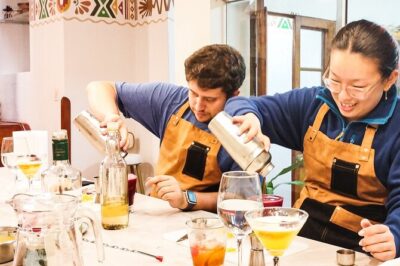
Peruvian Cooking Class Cocktails and Market Tour in Cusco
Read our review →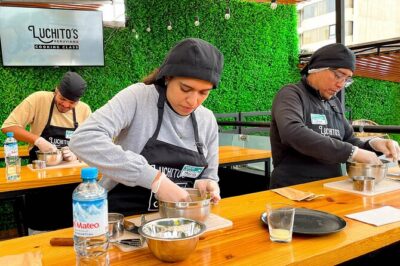
Peruvian Cooking Class, Local Market Tour & Exotic Fruit Tasting
Read our review →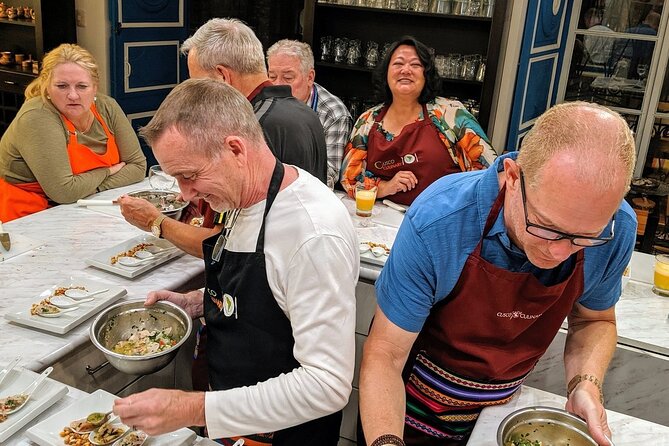
Cusco Cooking Classes and San Pedro Market Tour
Read our review →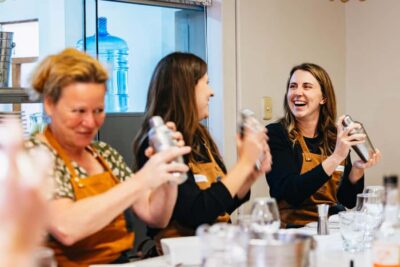
Peruvian Cooking Class, Cocktails & Local Market Tour
Read our review →
Hands-on Peruvian Cooking Class & San Pedro Market Visit in Cusco
Read our review →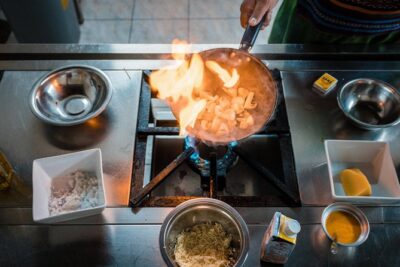
Local Market and Peruvian Cooking Class with Pisco Sour in Cusco
Read our review →
Traditional Peruvian Cooking Class and Market Tour in Cusco
Read our review →Browse the lists this tour appears in