
Reviewed · COOKING CLASSES
Peruvian Cooking Class in Lima, Facing the Pacific Ocean
Peru tastes best beside the sea. I like the mix of market visits and local fruit tasting, followed by a hands-on class at a restaurant facing the Pacific Ocean. I also like the small group size, capped at eight, which gives you a better chance to follow the chef’s work and ask questions.
The main drawback is location. This experience takes place around La Herradura in Chorrillos, not Miraflores, so the title can give you the wrong idea about where you will spend your morning. The setting is beautiful, but you should confirm the meeting and transport details before booking, and stay alert in the area as you would in any unfamiliar part of Lima.
In This Review
- Key points at a glance
- Why this Lima cooking class works
- Starting with Lima’s markets and Peruvian fruit
- Seeing the Pacific at an artisanal fishing port
- Cooking at La Herradura with the ocean in view
- The pisco sour and the value of the meal
- Language, guides, and what the morning feels like
- The La Herradura location and practical safety point
- Who will enjoy this experience most
- Should you book the Pacific cooking class?
- FAQ
- Where does the cooking class take place?
- What time does the experience begin?
- How long does the experience last?
- What food is included?
- Is a pisco sour included?
- Is the drink available to children?
- How many people can join the class?
- Can I cancel for a full refund?
Key points at a glance
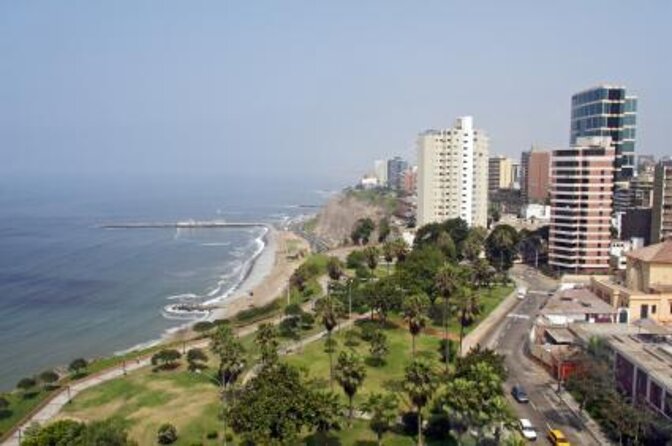
- La Herradura setting: The cooking class takes place at a restaurant with a direct view toward the Pacific Ocean.
- Two distinctly Peruvian dishes: You prepare Lima causa and Peruvian ceviche, with the chance that the kitchen may also demonstrate lomo saltado.
- Market-first itinerary: The morning begins with local produce, agricultural products, and endemic Peruvian fruits before the cooking starts.
- Fishing port stop: You visit an artisanal port to see Pacific marine life and photograph birds.
- Small group format: The maximum is eight people, a useful size for a cooking lesson.
- Included drink: The price includes one glass of pisco sour, though alcoholic drinks are not available to minors.
Why this Lima cooking class works
Many cooking classes in Lima begin and end at a restaurant. This one gives you a wider look at the food chain first. You see produce in local markets, sample fruit from Peru’s valleys, visit a fishing port, and then use that food culture as the backdrop for lunch.
That order matters. Ceviche makes more sense after you have seen the seafood trade and the Pacific coast. Causa also feels less like a recipe copied from a card when you have already handled native produce and heard about products grown for local use and export.
I like that the class is not built only around eating. The food is still the main event, but the market and port visits give the meal a sense of place. You are not simply shown a finished plate. You get a brief introduction to the ingredients, the people who sell them, and the coast that supplies much of Lima’s seafood.
The experience lasts about four hours and begins at 10:00 a.m. That gives you a useful morning block without taking the entire day. You should avoid scheduling an important activity immediately afterward, though. Market visits, the port stop, and lunch preparation can make the timing less predictable than a simple restaurant meal.
More Cooking Classes in Lima
- #1 Reviewed Lima Cooking Class
★ 5.0 · 995 reviews - Peruvian Cooking Class, Local Market Tour & Exotic Fruit Tasting
★ 5.0 · 744 reviews - Authentic 4-dish Peruvian Food Cooking Class in Lima + Pisco Sour
★ 5.0 · 126 reviews
Starting with Lima’s markets and Peruvian fruit
The first part of the morning is a guided look at local markets. The purpose is not just shopping. You learn to recognize agricultural products that are grown in Peru and sent abroad, and you taste fruits from the country’s valleys.
This can be one of the most useful parts for anyone unfamiliar with Peruvian food. Peru’s produce section is not limited to the familiar potatoes, corn, onions, and peppers found in many international markets. The fruit tasting gives you a direct way to notice flavors and textures you might otherwise pass by.
A guide such as Nicolás or Martha can add important context here. Nicolás has been praised for connecting the market visit with Lima’s past and food traditions, while Martha has been described as especially strong on Lima and gastronomy. If your guide is Martha, expect some translation help if the kitchen work is conducted in Spanish.
The exact market route can vary. A reported itinerary included stops in Surquillo and Chorrillos before continuing to La Herradura. The supplied tour details specifically identify La Herradura as the main stop, so you should not assume that every departure follows the same two-market route.
That uncertainty is not necessarily a problem. Markets are active working places, and the value comes from seeing what is available that day. Still, if a particular market visit matters to you, ask for the planned route when you book.
Seeing the Pacific at an artisanal fishing port
After the market portion, the group goes to an artisanal fishing port. This is a short but worthwhile change of scene. Instead of looking at seafood in a stall, you get a chance to see the coastal setting and observe some of the Pacific’s marine life.
The stop also includes time for photographs of birds in the port. Bring a phone or camera, but keep your expectations sensible. This is not presented as a dedicated wildlife tour, and the birds you see will depend on conditions that morning.
The port visit gives the cooking class a stronger connection to ceviche. Lima’s signature raw fish dish is not an abstract restaurant creation. It is tied to the cold Pacific, the fishing economy, and the daily movement of seafood through the city.
I would treat this stop as a brief cultural and visual pause, not a major sightseeing attraction. If your main goal is a long market tour or an extended visit with fishing families, this class may feel too short. If you want a compact introduction before lunch, it fits well.
Cooking at La Herradura with the ocean in view
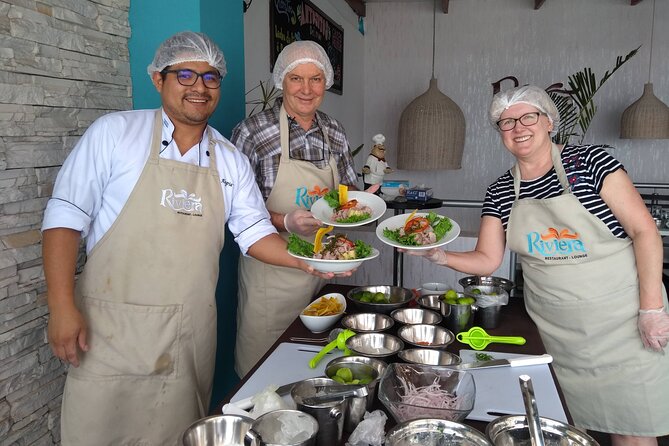
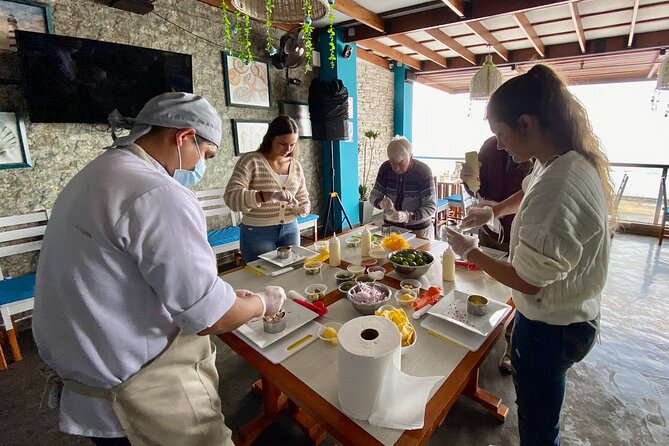
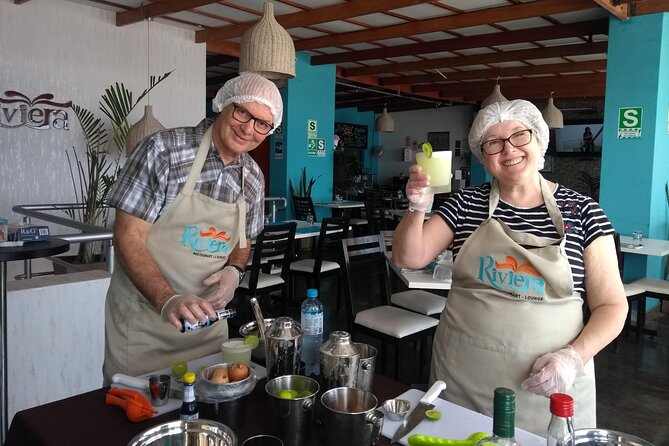
The cooking portion takes place at a restaurant facing the Pacific, identified in one account as Riviera Restaurant. The setting is a major part of the experience. You are preparing food with the water in view rather than sitting in a closed teaching kitchen in central Lima.
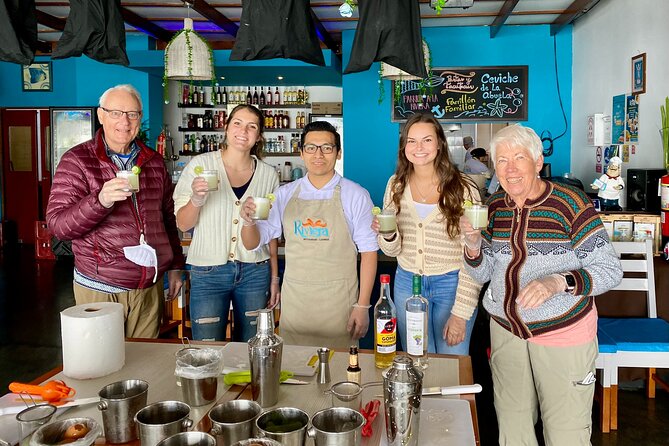
The chef and bartender lead the group through the food and drink. The advertised dishes are Lima causa and Peruvian ceviche, followed by a glass of pisco sour. These three items give you a neat introduction to different parts of Peruvian cooking: a chilled potato preparation, a seafood dish brightened with citrus, and the country’s best-known cocktail.
Causa is a particularly good choice for a class because it shows how humble ingredients can be shaped into an elegant dish. The recipe centers on seasoned yellow potato and can include fillings and garnishes. The class gives you a chance to see how the mixture is handled and assembled rather than merely tasting it at lunch.
Ceviche is more immediate. You can watch the preparation and understand how the ingredients come together shortly before eating. Since seafood quality and timing matter, this is the dish where paying close attention to the chef is most useful.
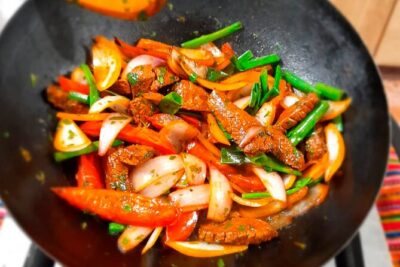
There is one menu point worth checking. The main description names causa and ceviche, but a reported session included a demonstration of lomo saltado with Chef Roberto in the commercial kitchen. Lomo saltado is a popular Peruvian stir-fry, but it is not listed as a guaranteed inclusion here. Ask the operator what dishes are planned for your date rather than booking specifically for that recipe.
The kitchen access can also vary. One account described being invited into the commercial kitchen, which added a welcome behind-the-scenes element. That sounds especially useful if you want to see professional preparation up close, but you should not assume every class includes the same amount of kitchen access.
More cooking sessions in Lima:
- 4 Course Peruvian Cooking Class
★ 5.0 · 122 reviews - Market Tour, Tasting of 35 Fruits, and 4-Course Peruvian Cooking Class in Lima
★ 5.0 · 86 reviews - #1 Rated Cooking Classes with Local Market Tour & Pickup
★ 5.0 · 69 reviews - Miraflores: Amazing Peruvian Cooking Class Ceviche Seafood and Pisco Sour
★ 4.9 · 57 reviews
The pisco sour and the value of the meal
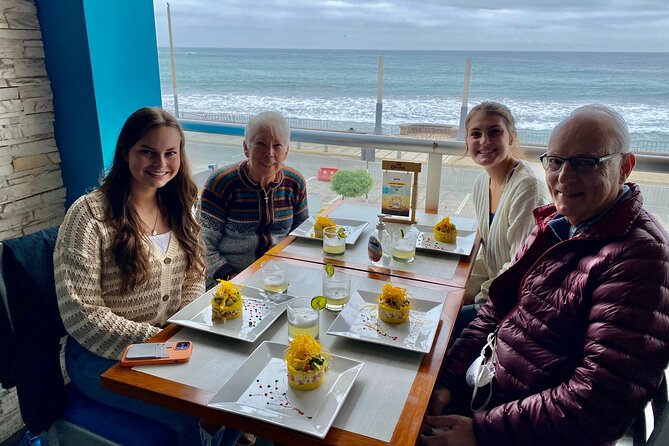
One glass of pisco sour is included. The bartender participates in the session, so the drink is not an afterthought placed on the table with lunch. It forms part of the introduction to Peru’s food and drink culture.
The alcoholic drink is unavailable to minors. If you do not drink alcohol, the supplied details do not promise a replacement beverage, so ask before booking if that affects your decision.
At $95 per person, this is not the cheapest way to eat lunch in Lima. You are paying for more than the food itself: a guided market visit, fruit tasting, fishing-port stop, instruction from the chef and bartender, lunch tasting, a pisco sour, and the oceanfront setting.
The price makes more sense if you value context and a small group. A basic restaurant meal will cost less, and a cooking class without the market and port visits may also be cheaper. Here, the added cost buys a four-hour experience that links ingredients, coast, and kitchen.
The group limit of eight is important. A very large class can turn cooking into a demonstration watched from the back of the room. With eight people at most, you have a better chance of seeing the chef’s technique and getting direct guidance. The published booking pattern, about 129 days ahead on average, also suggests that you should reserve early if your dates are fixed.
Language, guides, and what the morning feels like
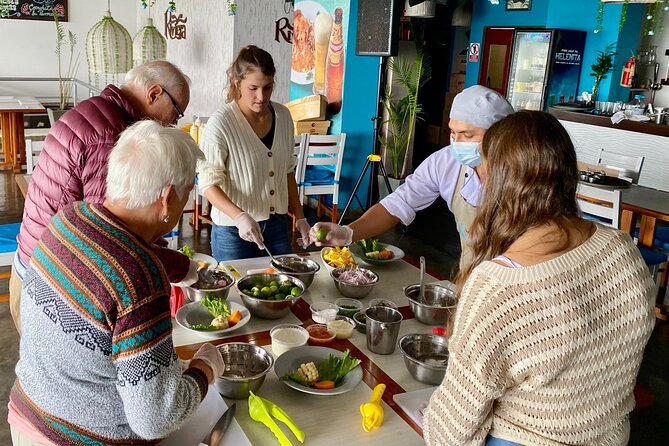
The class may be conducted in Spanish. Martha has provided translation for English-speaking participants, and that can make a real difference during a hands-on lesson. You should still confirm the language support you will receive, especially if you do not understand Spanish well.
The guide is central to the quality of the morning. Nicolás has been praised for adding historical context during the market visits. Martha has been praised for her knowledge of Lima and gastronomy, as well as for helping bridge the language gap during the class.
That personal element is one reason this experience has received a 4.9 rating from 15 reviews, with 100 percent recommending it. Those numbers point to a consistently strong experience, but the sample is small. I would give more weight to the repeated praise for the guide, setting, and hospitality than to the rating alone.
The chefs have also been described as kind and welcoming. That matters in a cooking class. A warm kitchen team can make a Spanish-language lesson feel manageable, while a rushed or overly formal class can turn a simple recipe into a chore.
The La Herradura location and practical safety point
Do not book this expecting a Miraflores activity. La Herradura is in Chorrillos, and the market and port portions may also take you outside the areas most familiar to first-time visitors staying in Miraflores.
The Pacific view is the reason to go, but the location calls for a little planning. A daytime visit with a guide has felt secure, yet specific advice has been given to stay more vigilant in the La Herradura area than you might in Miraflores. Keep valuables out of sight, follow your guide’s directions, and avoid wandering away from the group.
The provided information gives a 10:00 a.m. start but does not clearly state a standard pickup service or a single meeting address. One account describes prompt pickup, but you should confirm whether pickup is included for your booking and where you are expected to meet.
The tour has free cancellation if you cancel at least 24 hours before the start time. Cancellations or changes made within 24 hours are not refunded or accepted, and the cut-off follows Lima’s local time. That policy is reasonable, but make the decision before the final day.
Who will enjoy this experience most
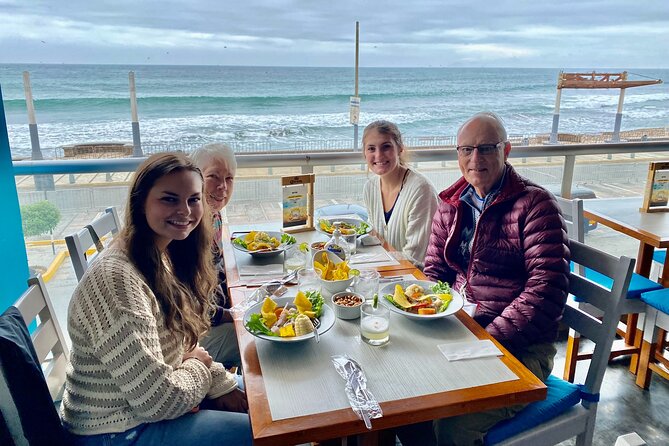
I would choose this class if you want a food experience with a strong sense of place. It suits you if you enjoy markets, short cultural stops, seafood, and learning by watching and preparing rather than simply ordering.
It is also a good fit for a first visit to Lima. The class introduces several essential ideas at once: local produce, valley fruit, the Pacific fishing economy, causa, ceviche, and pisco. You leave with a better map of Peruvian food than you would get from a single restaurant reservation.
Couples and small groups should appreciate the eight-person limit. Solo visitors may also find the format comfortable because the guide and kitchen team provide structure.
I would hesitate if you need a class entirely in English, require a guaranteed lomo saltado lesson, or want to stay within Miraflores. I would also look elsewhere if your priority is a long, technical cooking workshop. This is a compact cultural outing with cooking at its center, not a professional chef-training session.
Should you book the Pacific cooking class?
Book it if the combination matters to you: markets, Peruvian fruit, a fishing port, ocean views, and a hands-on lunch. The guides, especially Nicolás and Martha, appear to add real value, and the small group helps keep the class personal.
Before paying, confirm the meeting point, transport arrangement, language support, and exact menu. If you are comfortable going to La Herradura during the day and want more than a standard restaurant meal, $95 is a fair price for the four-hour package. If you want a Miraflores-only activity or a guaranteed recipe list, choose a different class.
FAQ
Where does the cooking class take place?
The cooking class takes place at a restaurant in La Herradura, Chorrillos, with a view facing the Pacific Ocean.
What time does the experience begin?
The stated start time is 10:00 a.m.
How long does the experience last?
The experience lasts approximately four hours.
What food is included?
The included tasting covers Peruvian fruits, Lima causa, and Peruvian ceviche.
Is a pisco sour included?
Yes. One glass of pisco sour is included as an alcoholic beverage.
Is the drink available to children?
No. The alcoholic beverage is not available to minors.
How many people can join the class?
The activity accepts a maximum of eight people.
Can I cancel for a full refund?
Yes, if you cancel at least 24 hours before the experience start time. Cancellations or changes made less than 24 hours beforehand are not refunded or accepted.
Added recently around Lima
- Yoga Classes in Miraflores, Lima★ 4.5 · 20 reviews
- Magic Water Circuit Tour★ 4.0 · 5 reviews
- Private Walking Tour Lima Heritage Downtown Half Day★ 4.5 · 12 reviews
- Wonders of Peru & Huaraz 16-Day Tour★ 5.0 · 8 reviews
- Water Magic Circuit Lima Night Tour by Panoramic Bus★ 4.5 · 11 reviews
- Visit to the Larco Museum in Lima★ 5.0 · 5 reviews
- Guided Tours in Colonial and Modern Lima★ 5.0 · 54 reviews
- Bizarre Foods Tour for Adventurous Foodies★ 5.0 · 9 reviews
Cooking Classes, compared.
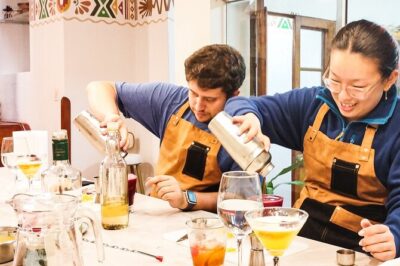
Peruvian Cooking Class Cocktails and Market Tour in Cusco
Read our review →
Peruvian Cooking Class, Local Market Tour & Exotic Fruit Tasting
Read our review →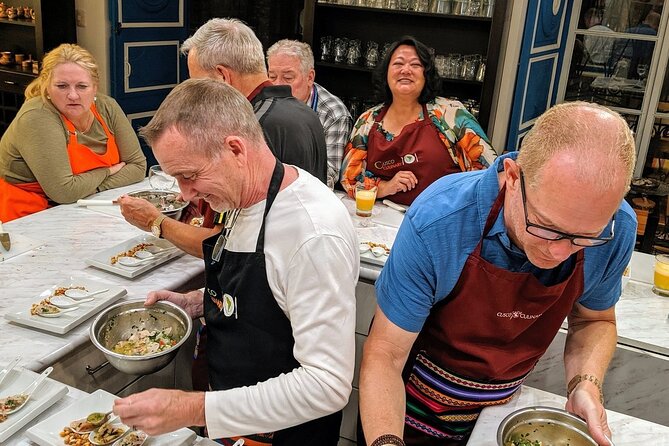
Cusco Cooking Classes and San Pedro Market Tour
Read our review →
Peruvian Cooking Class, Cocktails & Local Market Tour
Read our review →
Hands-on Peruvian Cooking Class & San Pedro Market Visit in Cusco
Read our review →
Local Market and Peruvian Cooking Class with Pisco Sour in Cusco
Read our review →
Traditional Peruvian Cooking Class and Market Tour in Cusco
Read our review →Browse the lists this tour appears in