
Reviewed · WORKSHOPS
The Textile Workshop Experience in Cusco Region
Tradition feels better when your hands do the work. At Andean Colors, you clean wool, make natural dyes, spin fiber, and weave a bracelet or bookmark while Miguel, Paulita, or Marco guide you through the process. I like that you complete the full chain from raw wool to finished thread, and I also like the quiet mountain setting, where llamas and alpacas graze nearby.
The main consideration is transport. The workshop is outside central Cusco, private transport is not included, and the drive can take about an hour depending on your starting point. Lunch is usually warm and home-style, though one meal was described as basic rather than lavish. Still, at $79 per person for about four hours, the hands-on teaching, lunch, animal encounter, and take-home work make this a strong cultural value.
In This Review
- Key reasons to consider Andean Colors
- Arriving in Racchi ayllu, outside Cusco
- Meeting the alpacas before the weaving begins
- Cleaning alpaca wool, the unglamorous first lesson
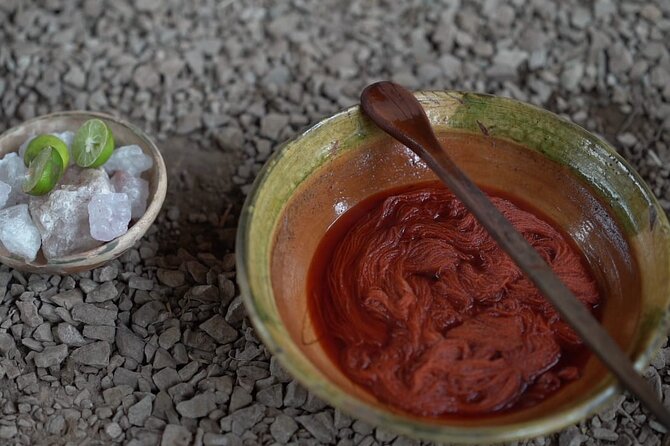
- Natural dyeing with plants, moss, and cactus insects
- Spinning wool with a simple Andean tool
- Weaving your own bracelet or bookmark
- Lunch with the Andean Colors team
- The boutique: buy after you learn
- What the $79 price really covers
- Who should book this four-hour workshop?
- Should you book Andean Colors?
- FAQ
- How long does the Textile Workshop Experience last?
- Where does the experience begin?
- Is transportation from Cusco included?
- What will I make during the workshop?
- Are lunch and animal feed included?
- Is this a private activity?
Key reasons to consider Andean Colors
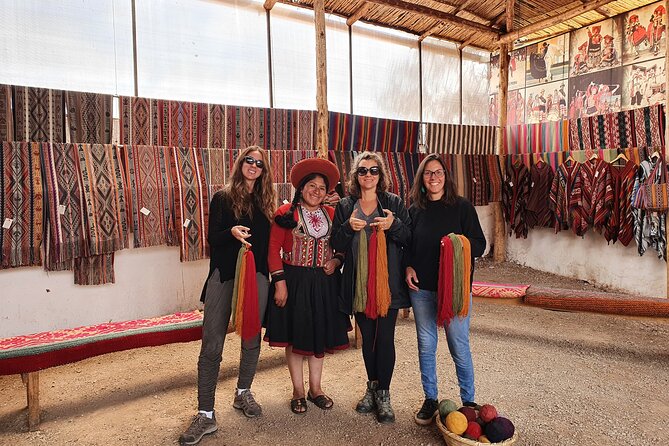
- You make the textiles yourself: Clean wool, prepare dye, spin yarn, and weave a bracelet or bookmark.
- Natural dyes are part of the lesson: Plants, moss, and even insects from cactus can create different colors.
- The mountain setting is part of the experience: You work with views of the Andes and the countryside around Racchi ayllu.
- Llamas and alpacas are more than a photo stop: You can feed them, walk with them, and gather plant material for dyeing.
- The meal is prepared on site: Lunch adds a useful taste of local cooking and time with the hosts.
- Purchases support a social purpose: The boutique sells handmade textiles and leather goods connected with a project supporting single artisan mothers.
Arriving in Racchi ayllu, outside Cusco
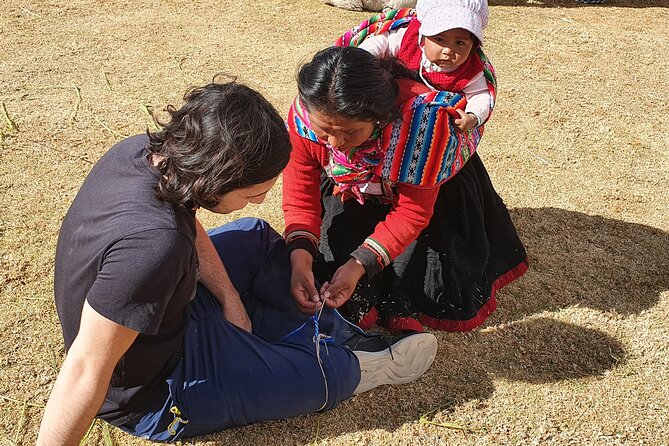
The meeting point is Andean Colors in Racchi ayllu, 08670, Peru. It is near public transportation, but you should plan the route before setting out because the workshop is not in central Cusco. The provider can help arrange a private driver, and several people used that option successfully.
A privately arranged round-trip transfer from a Cusco hotel was reported at $80 for the vehicle, not per person. That can make sense for two or more people, especially if you want a simple door-to-door day. Another visitor used public transport with help from the Andean Colors team, so you do have a lower-cost option if you are comfortable handling the journey yourself.
The drive matters because it affects the value and the timing. The workshop itself lasts about four hours, but adding roughly an hour each way from Cusco turns it into a substantial half-day outing. One couple combined it with Maras and Moray, but that created a much longer day, with more than 1.5 hours of driving mentioned for that extended plan.
I would not add extra sights unless you have plenty of time. The textile program is not a quick demonstration. You will be doing several stages by hand, and rushing through it would weaken the best part of the experience.
A few more Cusco trips worth lining up side by side
- Classic Inca Trail Trek 4D/3N to Machu Picchu (Group Service)
★ 5.0 · 8,653 reviews - Cusco: Rainbow Mountain and Red Valley Day Trip with Meals
★ 4.9 · 4,893 reviews - Machu Picchu: 4-Day Inca Trail Trek with Panoramic Train Ride
★ 5.0 · 4,568 reviews
Meeting the alpacas before the weaving begins
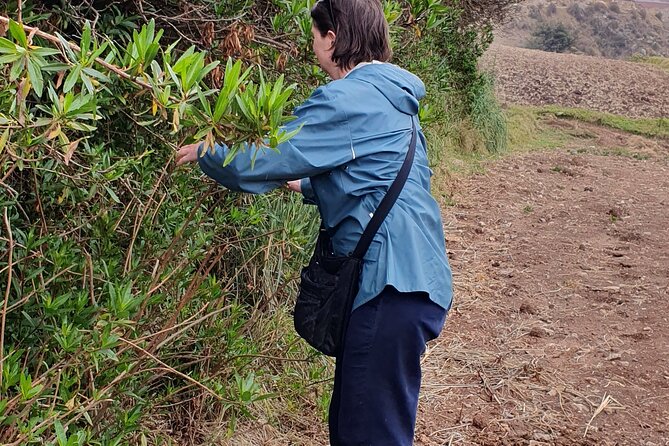
The animals often provide the easiest opening to the visit. You can feed llamas and alpacas with fresh grass, take a short walk with them, and enjoy views across the Andean countryside. Some accounts also mention goats, including young animals, so the farm setting feels more active than a simple alpaca photo stop.
The walk has a practical purpose as well as a playful one. You may gather leaves or other plant material that will later help create dye. That connection between the animals, the land, and the finished textile gives the workshop a clear sense of place.
You will want your camera here. The Andes form a broad backdrop, and the animals are friendly enough to make this a good part of the visit for families and couples. The walk is short, so this is not an alternative to a serious hike. It is better understood as a gentle introduction to the property and its work.
Families with children aged 8, 9, and 11 found that the youngsters could take part in the full program with help from the team. That makes the animal portion useful for children who might not yet have the patience for a long craft class.
Cleaning alpaca wool, the unglamorous first lesson
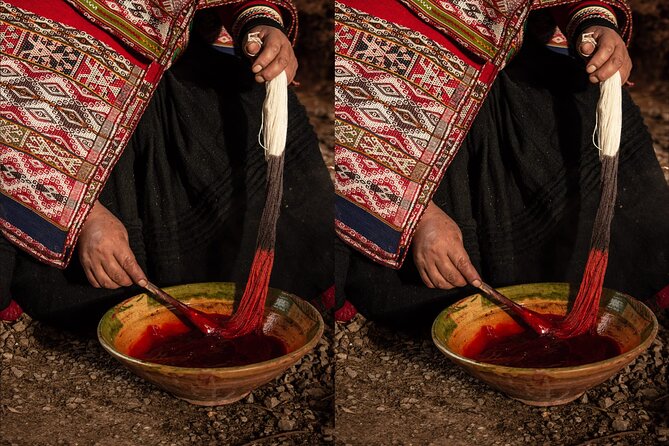
The workshop begins to make sense when you see how much effort comes before a finished scarf or hat. You learn to clean the wool and prepare it for spinning. This is a tactile task, and it helps you understand why handmade Andean textiles cost more than factory-made souvenirs.
The process is not presented as a quick show. You take part in the work. That difference matters. Many textile stops in the Cusco region focus on watching a demonstration and then browsing a shop. Here, the point is to let you try the basic motions yourself.
The guides are patient and willing to repeat steps. Paulita, also referred to as Paolina in some descriptions, received particular praise for her gentle instruction. Miguel is fluent in English and Spanish, which is useful if you speak little Spanish. The staff also helped people with questions before arrival, including transport and food needs.
You should expect an unhurried learning style rather than a formal classroom. The pace can change depending on your group, your questions, and how quickly you manage each technique. That is good for curious adults and children, though anyone wanting a fast sightseeing stop may find the workshop longer than expected.
Natural dyeing with plants, moss, and cactus insects
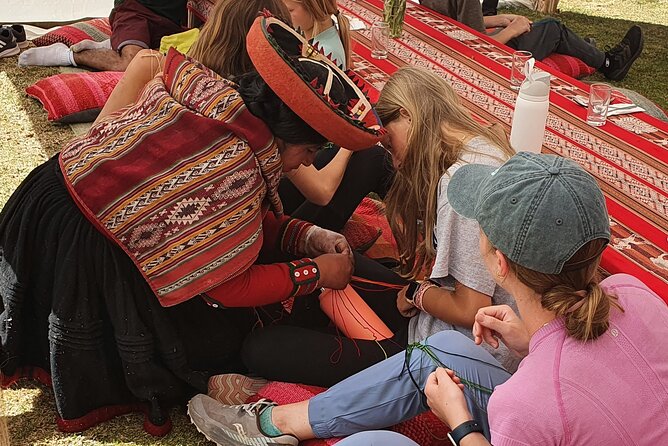
Natural dyeing is one of the most memorable sections. You learn how local materials produce different shades, rather than treating color as something that simply comes from a bottle.
Details described during the activity include leaves producing green, dried moss producing yellow, and dried insects from a cactus producing purple. Another visitor was surprised to learn that pink can come from cactus-related material. These examples turn what could be a simple craft lesson into a small lesson in local ecology and traditional resource use.
You participate in preparing and applying the dyes. The exact colors and materials may vary, but the central lesson remains the same: Andean textile makers use what grows around them and understand how to transform it into lasting color.
This is also where the workshop gains value beyond a souvenir. You begin to notice the labor behind the bright hats, ponchos, gloves, and capes sold around Cusco. A finished textile may look simple at first glance. After this class, you have a better sense of the time, skill, and repeated handling behind it.
The dyeing stage can be messy and methodical. That is part of its charm. If you expect a polished craft demonstration with instant results, adjust your expectations. The pleasure comes from seeing a natural material change and knowing you helped make it happen.
Also leaving from Cusco, and nothing like the above:
- Salkantay Classic Trek 5 Days from Cusco
★ 5.0 · 4,062 reviews - 4-Day Salkantay Trek with Sky Camp Stay
★ 5.0 · 3,346 reviews - Short Inca Trail to Machu Picchu 2D/1N
★ 5.0 · 3,007 reviews - Excursion to Rainbow Mountain Full Day Optional Red Valley
★ 5.0 · 2,996 reviews
Spinning wool with a simple Andean tool
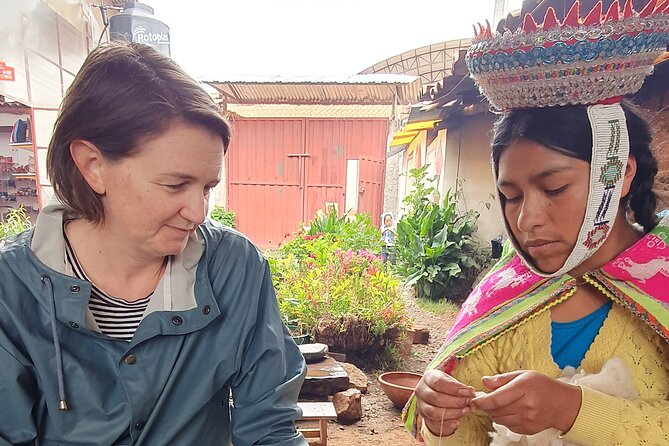
Once the wool is prepared and dyed, you learn to spin it into yarn. The tool described by several people resembles a small top with a stick. You use your hands to keep it moving and draw out the fiber.
This is harder than it looks. The thread can become uneven, and your hands need time to learn the right tension. That small struggle is useful because it replaces vague admiration with respect for the craft. You are not just told that weaving takes skill. You feel the difficulty in your own fingers.
The class is suitable for beginners because the instruction is close and patient. You do not need prior craft experience. People who do not usually enjoy crafts still found the process rewarding because the activity is tied to a larger story about wool, dye, culture, and daily work.
You may keep the yarn you dye. That is a particularly nice touch because it gives you something connected to the entire process, not just a finished item made by someone else.
Weaving your own bracelet or bookmark
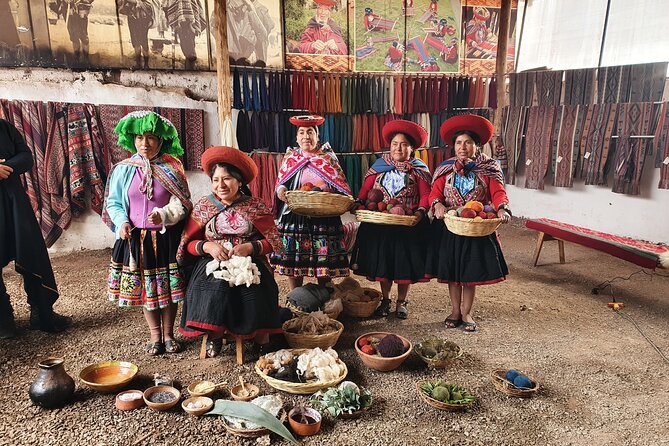
The final craft is a bracelet or bookmark. You use the yarn and learn the basic movements needed to create your piece. The result may not look perfectly uniform, and that is fine. It is a personal record of what you learned.
Several people valued being able to take home both the dyed yarn and the woven item. I consider that important when judging the $79 price. The souvenir is not just a purchase from a shelf. You helped produce it, so it carries a memory of the work.
The staff guides you through the weaving step by step. You may wear traditional ponchos during some parts of the activity, adding a bit of ceremony and making for good photographs. Still, the focus remains on learning rather than dressing up for a staged photo.
Allow yourself time to concentrate. The activity is relaxed, but the full process takes attention. If you are with children, they may need help keeping the yarn organized. The team has experience assisting younger participants, so families do not need to know anything about textiles before arriving.
Lunch with the Andean Colors team
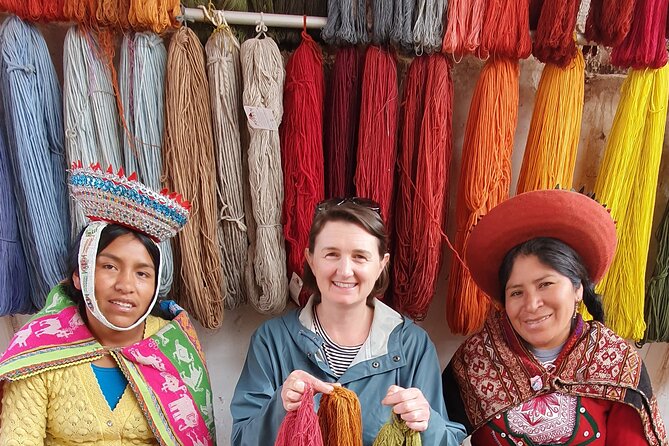
After the workshop, you sit down for a traditional Andean lunch. Meals have included soup and a main course with chicken, potatoes, carrots, and rice. The food is prepared by the team, and several people especially enjoyed sharing the table with Miguel and talking about the area.
The lunch is best viewed as home-style cooking, not a restaurant tasting menu. Some people found it delicious and even called it the best meal of their Peru visit. Another described it as pleasant but fairly basic. Both impressions can be true because the appeal is the warm meal, local flavor, and personal setting rather than elaborate presentation.
Food restrictions should be discussed when booking. Miguel reached out to one group about gluten-free needs, shellfish, and red meat, then prepared a suitable meal. That level of communication is reassuring, but you should still state your needs clearly in advance.
Soda, bottled water, and breakfast are not included. Bring water with you, especially if you are still adjusting to Cusco’s altitude. A bathroom is available, and credit cards are accepted, which makes the visit easier if you want to shop without carrying much cash.
The boutique: buy after you learn
The large on-site boutique sells handmade Peruvian textiles and fine leather goods. This is the right moment to shop because you have just seen the work behind the products.
I would avoid making major textile purchases in Cusco’s main plaza before this visit. One person found ponchos, capes, hats, and gloves there at about twice the price and with lower quality than items at Andean Colors. Prices can change, so I would not treat that comparison as a guarantee, but it is a useful reason to wait before buying.
The social purpose also affects the value of a purchase. The project supports single artisan mothers and aims to preserve traditional textile work. Buying directly at the workshop gives you more context about who makes the products and why the work matters.
That does not mean you should feel pressured to buy. The workshop should be worthwhile even if you leave with only your own bracelet or bookmark. Shop because you like the item, not because you feel obligated to support the cause.
What the $79 price really covers
At $79 per person, this is not the cheapest activity near Cusco. But it includes the textile class, wool, dyes, tools, lunch, animal feed, and a private experience for your own group.
The private format is a major benefit. You are not working through the process in a large crowd, and the staff can give more attention to your questions and weaving technique. Solo visitors also found the setting comfortable, with one person receiving a more personal lesson because no other tourists were present.
Transport is the main extra cost. If you need a private vehicle from Cusco, add that to your budget. For a couple or small group, the $80 round-trip vehicle price mentioned above may be reasonable. If you can use public transport, the basic tour price becomes better value.
The experience is also a useful first full day in the Cusco area. It is calm and hands-on rather than physically demanding, so it can help you get used to the altitude before attempting harder walks. You should still take it easy, drink water, and remember that the drive itself may be tiring.
Who should book this four-hour workshop?
I would recommend it most strongly if you want cultural contact rather than another viewpoint or ruin. You will gain more here if you enjoy asking questions, trying unfamiliar handwork, and learning how an ordinary material becomes a meaningful object.
It suits:
- Families with children who can follow simple guided activities
- Couples wanting a quieter change from major archaeological sites
- Solo visitors who appreciate personal instruction
- Craft fans, artists, and people interested in sustainable materials
- Anyone who wants to shop for textiles with more understanding
- Visitors looking for a gentle activity while adjusting to altitude
It may be less suitable if your schedule is packed or if you want a quick animal encounter with no class time. The process is the point, and you should be ready to spend several hours cleaning, dyeing, spinning, and weaving.
The activity ends back at the meeting point. Since private transportation is not included, confirm your return plan before you begin. Free cancellation is available up to 24 hours before the start time, but changes or cancellations inside that window are not accepted.
Should you book Andean Colors?
Yes, if you want to understand Andean textiles by making one yourself. The best parts are the complete wool-to-yarn process, the natural dyes, the kind instruction from people such as Miguel and Paulita, and the chance to spend time with llamas and alpacas in the countryside.
I would book it early if it fits your plan, since it is commonly reserved about 32 days ahead. Arrange transport at the same time, bring water, and save your textile shopping for the boutique.
This is not a substitute for Machu Picchu or the Sacred Valley’s major sights. It offers something those places cannot: a small, personal lesson in living craft, with a meal and a handmade reminder of your time in Peru.
FAQ
How long does the Textile Workshop Experience last?
The activity lasts approximately four hours and ends back at the Andean Colors meeting point.
Where does the experience begin?
It begins at Andean Colors in Racchi ayllu, 08670, Peru, outside central Cusco.
Is transportation from Cusco included?
No. Private transportation is not included, but the provider can help arrange it. The location is also near public transportation.
What will I make during the workshop?
You can make your own bracelet or bookmark using wool, dyes, and fabric tools supplied during the activity.
Are lunch and animal feed included?
Yes. Lunch and fresh grass for feeding the llamas and alpacas are included. Soda, bottled water, and breakfast are not included.
Is this a private activity?
Yes. Only your group participates in the activity, rather than joining a larger shared group.
Added recently around Cusco
- Guided tour of the mountain of colors in Cusco★ 5.0 · 11 reviews
- 2-Day Private Short Inca Trail to Machu Picchu★ 5.0 · 15 reviews
- San Pedro Market Tour with Peruvian Cooking Class★ 5.0 · 31 reviews
- City Tour Cusco – Group★ 5.0 · 4 reviews
- Tour Sacred Valley with Maras and Moray★ 5.0 · 15 reviews
- Walking Culinary Experience★ 5.0 · 41 reviews
- City Tour in Cusco★ 4.5 · 10 reviews
- One Day Tour to Humantay Lagoon★ 5.0 · 8 reviews
Workshops, compared.
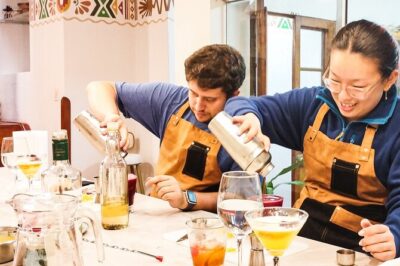
Peruvian Cooking Class Cocktails and Market Tour in Cusco
Read our review →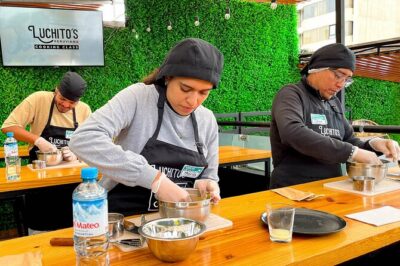

Peruvian Cooking Class, Local Market Tour & Exotic Fruit Tasting
Read our review →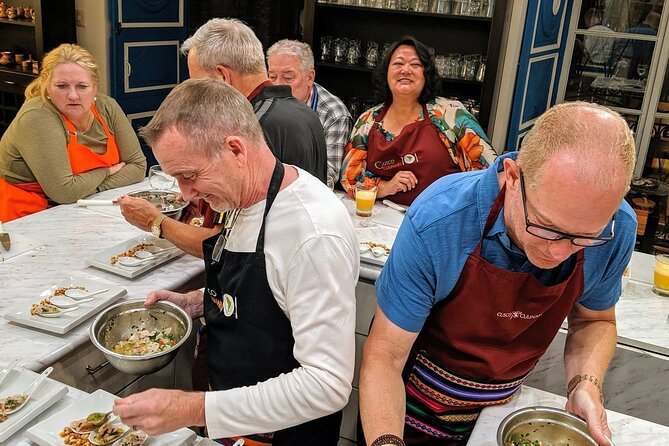
Cusco Cooking Classes and San Pedro Market Tour
Read our review →
Peruvian Cooking Class, Cocktails & Local Market Tour
Read our review →
Hands-on Peruvian Cooking Class & San Pedro Market Visit in Cusco
Read our review →
Bean to Bar Chocolate Workshop in ChocoMuseo Cusco
Read our review →
Local Market and Peruvian Cooking Class with Pisco Sour in Cusco
Read our review →Browse the lists this tour appears in