
Reviewed · COOKING CLASSES
Cusco: 3-Hour Peruvian Cooking Class
Food tells you plenty about Peru. This three-hour Cusco cooking class starts at the Central Market, then brings you into the kitchen to prepare ceviche, a Peruvian main course, a pisco sour, and chocolate fondue with local fruit. I like the market visit and the hands-on cooking most, since you learn what the ingredients are before they land on your plate. The main thing to note is that the choice of lomo saltado or ají de gallina is controlled by the first person booked, so your preferred dish is not guaranteed.
At $49 per person, this is a fair deal if you want more than a meal in Cusco. Small groups are limited to 10, and the class includes ingredients, cooking supplies, instruction, water, and the food you prepare. You should also allow at least 24 hours when booking, since the kitchen may not be able to prepare the class at shorter notice.
In This Review
- Key points to know before you book
- Meeting at ChocoMuseo near Plaza Regocijo
- Starting at the Peruvian Central Market
- Preparing ceviche from the beginning
- Choosing between lomo saltado and ají de gallina
- Mixing a Peruvian pisco sour
- Ending with chocolate fondue and Peruvian fruit
- What the $49 price really covers
- Who will enjoy this Cusco class most?
- Timing, cancellations, and useful booking advice
- Should you book this cooking class in Cusco?
- FAQ
- Where does the cooking class meet?
- How long does the experience last?
- What food will I prepare?
- Can I choose the main course?
- Are vegetarian and nonalcoholic options available?
- How many people are in the class?
Key points to know before you book
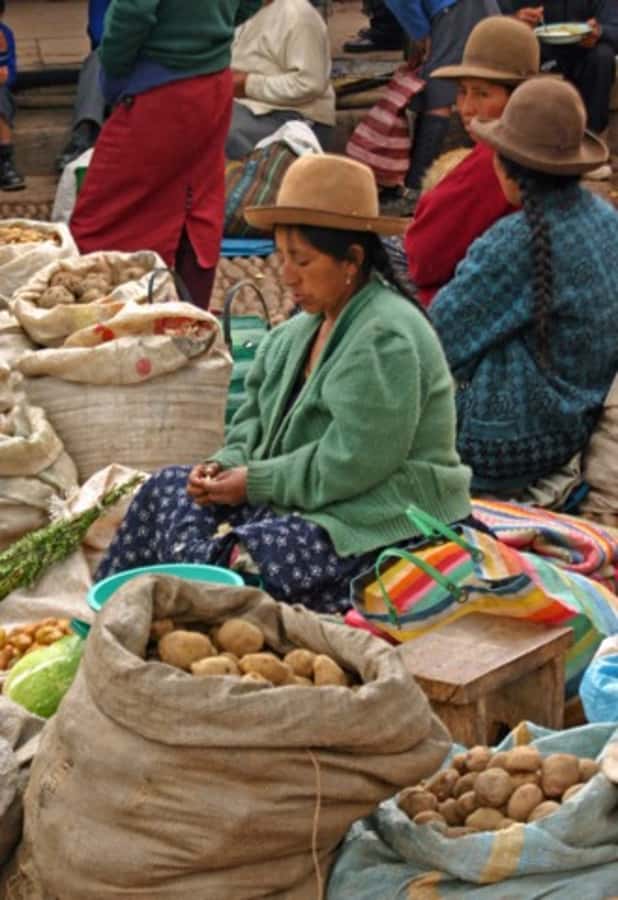
- The Central Market comes first: You inspect Peruvian produce and learn about the ingredients before cooking with them.
- The menu covers several Peruvian favorites: You prepare ceviche, lomo saltado or ají de gallina, a pisco sour, and chocolate fondue with local fruit.
- The class stays small: A maximum of 10 people gives you a better chance to follow the chef and take part.
- Miguel and Yil have earned special praise: Both guides are noted for clear instruction, cultural details, and a relaxed sense of humor.
- Vegetarian and nonalcoholic options are possible: Ask in advance to replace the meat and swap the pisco sour for fresh fruit juice.
- The first booking chooses the main course: Tell the provider your preference, but understand that the first reservation decides between the two dishes.
Meeting at ChocoMuseo near Plaza Regocijo
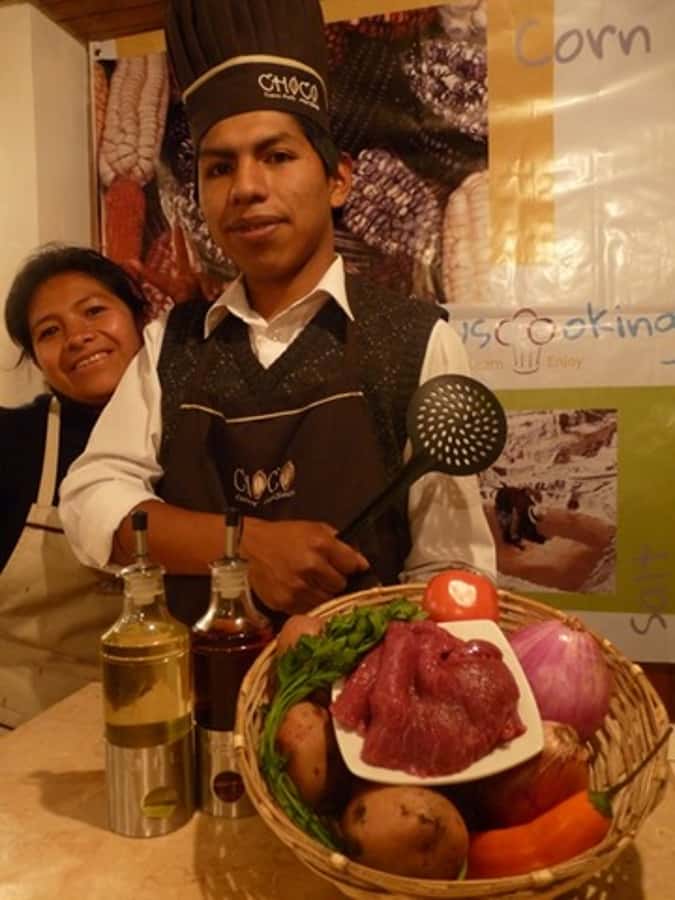
Your class takes place inside ChocoMuseo, on the corner of Plaza Regocijo. Look for the green and orange flags hanging from the balconies. This is useful in a city where a small map mistake can cost you several minutes, especially if you are trying to arrive on time for a fixed start.
The setting gives the experience a clear center. You are not being moved between several far-flung sights. Instead, the class links one nearby market visit with a practical kitchen lesson, followed by a sit-down meal. The activity lasts three hours, so you get a full evening or afternoon without giving up an entire day of sightseeing.
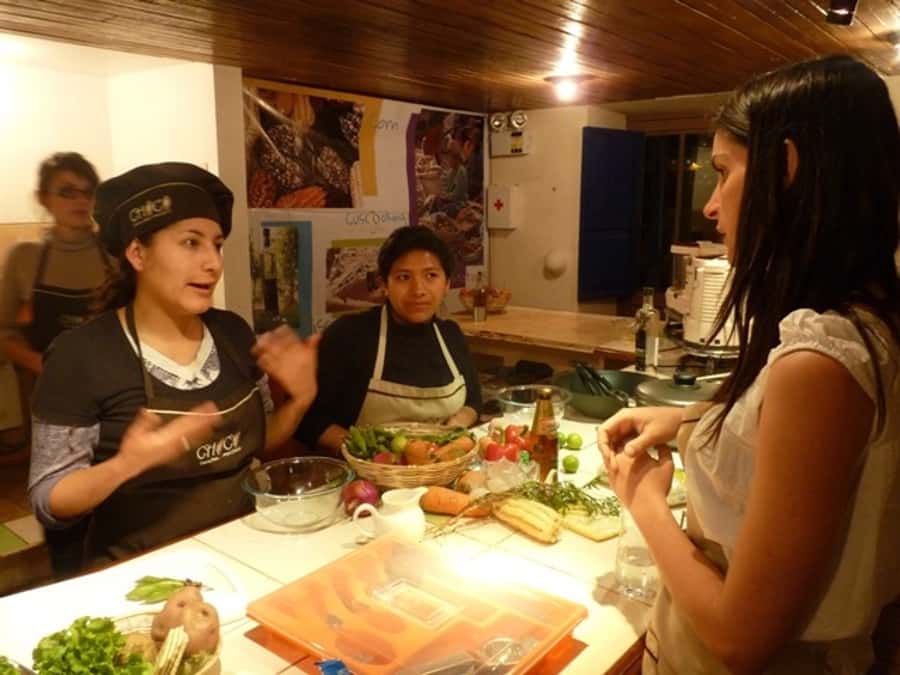
The class is offered in English and Spanish. With no more than 10 people, the format should feel more personal than a large demonstration where you simply watch someone else cook. You still need to share the kitchen with other participants, but the group size is small enough for direct questions and help with knife work, seasoning, and presentation.
More Cooking Classes in Cusco
- Peruvian Cooking Class Cocktails and Market Tour in Cusco
★ 5.0 · 1,712 reviews - Cusco Cooking Classes and San Pedro Market Tour
★ 5.0 · 691 reviews - Cusco: Peruvian Cooking Class, Cocktails & Local Market Tour
★ 4.9 · 512 reviews
Starting at the Peruvian Central Market
The market visit gives the class its strongest cultural purpose. Instead of treating Peruvian food as a finished product, you begin by looking at the raw materials. Your guide introduces the produce used in the meal and points out the range of ingredients available in Peru.
This matters because Peruvian cooking draws on many kinds of food, and the market helps connect those ingredients to daily life. You might see potatoes, vegetables, peppers, herbs, fruits, and other items used in local cooking. The class information specifically highlights Peruvian fruits and the wide choice of produce, while the guidance from Miguel and Yil has included facts about the origins of ingredients, food, and Cusco culture.
You should expect more than a quick shopping stop. The market is where you get your first lesson in how Peruvian dishes are built. The ingredients are no longer anonymous items in a recipe. You have seen them in their local setting and can ask why one pepper, potato, or fruit is used instead of another.
The market can also be the most unpredictable part of the experience. It is a working food market, not a polished cooking-school showroom. That is part of its value, though people who prefer quiet, orderly surroundings may find it less comfortable. Wear shoes that are easy to walk in, and keep your schedule reasonably open around the start time.
Preparing ceviche from the beginning
Ceviche is the starter and one of the best reasons to choose this class. It is one of Peru’s best-known dishes, but eating it in a restaurant does not show you how the flavors come together. In the lesson, you work through the preparation under the chef’s direction and learn how the ingredients are handled.
The exact cooking steps are not listed in the activity details, so I would not book this expecting a particular technical lesson on fish curing or a fixed recipe to take home. What you can count on is guided preparation as part of the full menu, with the ingredients and cooking supplies provided.
This is also where the small group helps. A chef can correct your cutting technique, answer questions, and keep the pace moving while everyone prepares the dish. One especially useful detail from the class feedback is the chance to learn practical knife skills. That kind of lesson has value beyond the meal because you can use it in your own kitchen later.
Ceviche also gives you a quick taste of the class’s central idea: Peruvian food is not just about a list of famous dishes. It is about fresh ingredients, careful preparation, and knowing how each part contributes to the final plate.
Choosing between lomo saltado and ají de gallina
The main course is either lomo saltado or ají de gallina. Lomo saltado is a sautéed beef dish, while ají de gallina is chicken in a yellow pepper sauce. Both offer a different look at Peruvian cooking, so this choice matters.
There is one unusual booking rule. The first participant booked chooses which main course the group prepares. You can inform the provider of your preference, but that request does not control the final menu if someone else booked first. If you have your heart set on one dish, ask about the current selection before you reserve.
Lomo saltado should appeal to you if you enjoy a hearty, savory main course with beef. Ají de gallina is the better choice if you want to try a creamy chicken dish built around yellow pepper. The activity describes the beef as an amazing sautéed dish, while the chicken is presented in its yellow pepper sauce. The recipes are prepared in a group, so everyone follows the same main-course choice.
The class feedback gives a useful caution here. One person found that the rice and potatoes served with the main course had gone cold because they were prepared too early. That sounds like a timing issue rather than a problem with the recipe itself, but it is worth keeping in mind. In a cooking class, several dishes finish at different times, and keeping every side hot can be harder than it is in a restaurant kitchen.
The best approach is to stay involved and ask the chef about the timing. If something sits before the final meal, you can understand why, and the staff may be able to adjust the serving order.
More cooking sessions in Cusco:
- Hands-on Peruvian Cooking Class & San Pedro Market Visit in Cusco
★ 5.0 · 421 reviews - Local Market and Peruvian Cooking Class with Pisco Sour in Cusco
★ 5.0 · 384 reviews - Traditional Peruvian Cooking Class and Market Tour in Cusco
★ 5.0 · 375 reviews - Group Cooking Class in Cusco with Pisco Tasting
★ 5.0 · 335 reviews
Mixing a Peruvian pisco sour
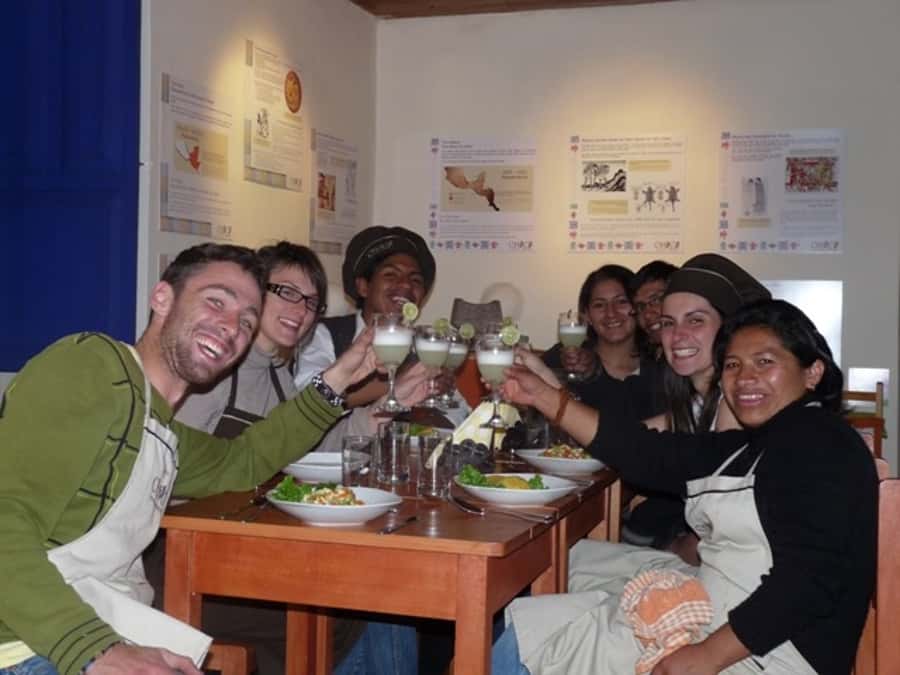
The pisco sour is both a drink and a lesson in one of Peru’s most famous cocktails. You learn how to prepare it as part of the class, then enjoy it with the meal. This gives the evening a social note without adding a separate cocktail stop to your plans.
One particularly appealing variation is a Chicha Pisco Sour. A participant praised this version along with the food and said it was something they planned to try at home. The standard activity description does not promise that exact variation every time, so treat it as a possible preparation rather than a guaranteed menu item.
If you do not drink alcohol, ask ahead of time to replace the pisco sour with fresh fruit juice. This is a practical option, but it needs to be requested in advance. Other alcoholic drinks are not included. Wine may be available to buy, while gratuity and additional alcohol are separate costs.
The pisco sour also fits nicely with the market visit. You have already seen the fruit and produce used in Peru, and then you get to turn some of those flavors into a drink. It is a small lesson, but it makes the menu feel connected rather than like four unrelated samples.
Ending with chocolate fondue and Peruvian fruit
Dessert is chocolate fondue with local seasonal fruits. This is a simple finish, but it gives you another chance to try produce that may not be familiar from home. The fruit portion is especially useful after the market visit because you can recognize some of the ingredients from their earlier setting.
The dessert is less about mastering a difficult recipe and more about ending the class at an easy pace. After handling the starter and main course, you can sit down, share the food, and enjoy the social side of the evening.
The meal is often described as a four-course experience, although the included details also refer to a three-course meal with a pisco sour. The practical point is clear: you prepare and eat the ceviche, one main course, chocolate fondue with fruit, and the pisco sour. Water is included as well.
What the $49 price really covers
At $49, you are paying for more than a cooking demonstration. The price includes the guided Central Market visit, all menu ingredients, kitchen equipment and supplies, instruction, water, and the food you prepare. That makes the value fairly strong if you would otherwise pay for a market tour and a separate meal.
The class also saves you from buying unfamiliar ingredients in large quantities. You get to try Peruvian produce without spending money on items you may not use again. Just as important, you leave with preparation ideas and knife skills that can travel home with you.
The value is less convincing if you want a formal chef’s workshop or a long technical course. Three hours is enough for a market visit, a group cooking session, and a meal, but not enough for a detailed study of every regional Peruvian cuisine. You are getting a friendly introduction, not professional training.
The 4.7 rating from 16 reviews supports the overall appeal, while the one four-star experience offers a useful reminder that execution can vary. Most of the positive feedback centers on the food, the market shopping, cultural facts, and the chance to laugh and cook with a professional guide. Miguel received especially warm praise for explaining ingredients, guiding the group step by step, and discussing both food and local culture. Yil was also singled out for fun historical and cultural facts, plus a successful Chicha Pisco Sour.
Who will enjoy this Cusco class most?
I would recommend this experience to you if you like to participate rather than simply watch. It suits couples, friends, solo diners, and small groups who want a meal with a story behind it.
It is also a good choice for people who want a gentle introduction to Peruvian cuisine. You do not need to arrive with cooking experience. The instruction covers the menu, ingredients, and preparation, and the activity includes the supplies you need.
Families may enjoy the hands-on format, though the information does not specify a minimum age. If you are booking for children, confirm the age policy before paying. The class includes a pisco sour, but nonalcoholic fruit juice can be arranged.
Vegetarians should ask for a meat-free main course before the class. The provider says vegetarian substitutions are possible, but the menu choice and preparation need to be organized ahead of time.
This is not the best fit if you dislike group cooking, have a very tight schedule, or want guaranteed control over the main dish. It may also disappoint you if you expect restaurant-level timing for every plate. The cold rice and potatoes noted in one experience show the tradeoff: you gain participation and instruction, but the final meal may not be perfectly synchronized.
Timing, cancellations, and useful booking advice
The class lasts three hours, with starting times depending on availability. Plan to arrive at ChocoMuseo near Plaza Regocijo with enough time to find the green and orange flags. Since the first booking controls the main-course choice, book early if lomo saltado or ají de gallina matters to you.
The provider asks for at least 24 hours notice because the kitchen needs time to arrange the ingredients and supplies. You can cancel up to 24 hours before the activity for a full refund, and the reserve-now, pay-later option lets you hold a place without paying immediately.
Before booking, send these details:
- Your preferred main course, while understanding that the first booking decides
- A request for vegetarian food if needed
- A request for fresh fruit juice instead of the pisco sour
- Any other food details the provider should know
The class is offered in Spanish and English, and the group is capped at 10. That combination is helpful if you want instruction you can follow without being lost in a large crowd.
Should you book this cooking class in Cusco?
Yes, if you want a practical and social way to understand Peruvian food. The market visit, four-part menu, small group, and named guides such as Miguel and Yil give the experience more substance than a basic restaurant meal. I especially like that you handle the ingredients, learn knife skills, prepare a pisco sour, and then eat what you made.
Book it with realistic expectations. The main-course choice may be decided before you reserve, and the meal may not have perfect restaurant timing. At $49, though, the combination of market access, instruction, ingredients, supplies, drinks, and dinner is a solid value. For most food-minded visitors spending a few days in Cusco, this is a tasty and useful addition to the sightseeing plan.
FAQ
Where does the cooking class meet?
The class takes place inside ChocoMuseo on the corner of Plaza Regocijo. Look for the green and orange flags hanging from the balconies.
How long does the experience last?
The cooking class lasts three hours. Starting times depend on availability.
What food will I prepare?
The menu includes ceviche, either lomo saltado or ají de gallina, a pisco sour, and chocolate fondue with local seasonal fruits.
Can I choose the main course?
You can tell the provider whether you prefer lomo saltado or ají de gallina, but the first participant booked chooses the main course for the group.
Are vegetarian and nonalcoholic options available?
Vegetarian meat replacements and fresh fruit juice instead of the pisco sour can be arranged upon request.
How many people are in the class?
The group is limited to 10 participants. Instruction is available in English and Spanish.
Added recently around Cusco
- 2-Day Private Short Inca Trail to Machu Picchu★ 5.0 · 15 reviews
- Guided tour of the mountain of colors in Cusco★ 5.0 · 11 reviews
- City Tour Cusco – Group★ 5.0 · 4 reviews
- Tour Sacred Valley with Maras and Moray★ 5.0 · 15 reviews
- San Pedro Market Tour with Peruvian Cooking Class★ 5.0 · 31 reviews
- Walking Culinary Experience★ 5.0 · 41 reviews
- City Tour in Cusco★ 4.5 · 10 reviews
- One Day Tour to Humantay Lagoon★ 5.0 · 8 reviews
Cooking Classes, compared.
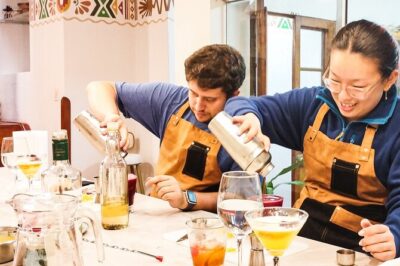
Peruvian Cooking Class Cocktails and Market Tour in Cusco
Read our review →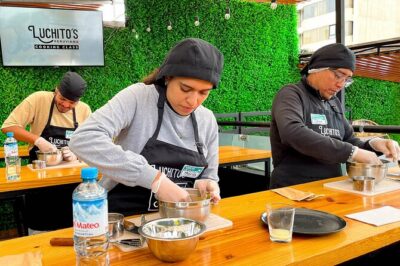
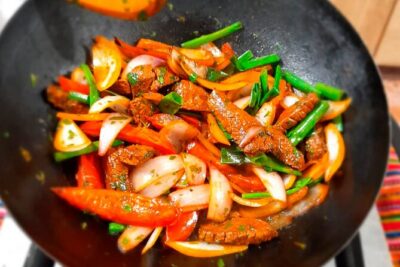
Peruvian Cooking Class, Local Market Tour & Exotic Fruit Tasting
Read our review →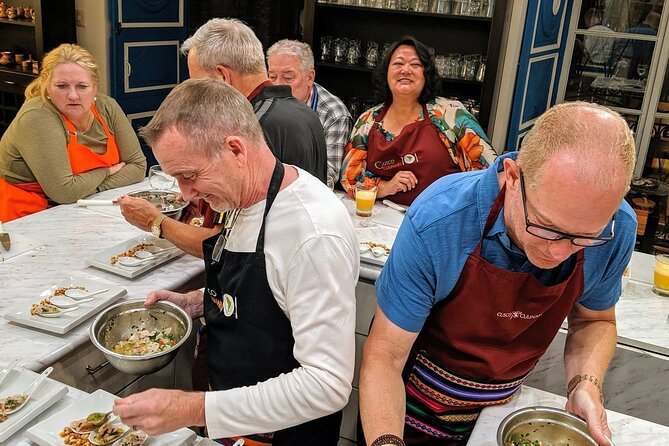
Cusco Cooking Classes and San Pedro Market Tour
Read our review →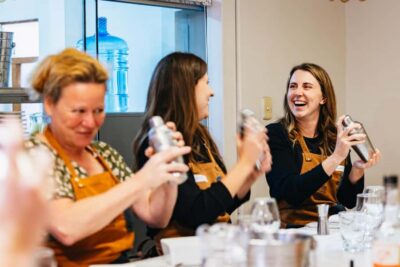
Peruvian Cooking Class, Cocktails & Local Market Tour
Read our review →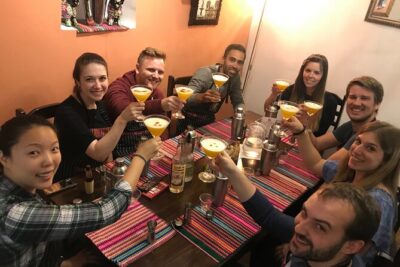
Hands-on Peruvian Cooking Class & San Pedro Market Visit in Cusco
Read our review →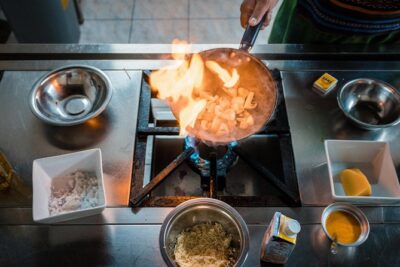
Local Market and Peruvian Cooking Class with Pisco Sour in Cusco
Read our review →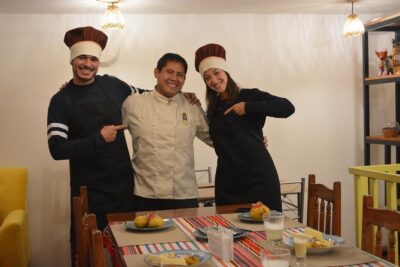
Traditional Peruvian Cooking Class and Market Tour in Cusco
Read our review →Browse the lists this tour appears in