
Reviewed · COOKING CLASSES
Peruvian cooking class – Pachamanca experience
Earth cooking makes lunch an event. At the Sacsayhuaman meeting point, this private five-hour experience introduces you to Pachamanca, an ancient Andean method that cooks meat, potatoes, corn, and vegetables beneath hot stones and soil. I like the hands-on preparation, especially marinating meat with Andean herbs and spices, and I like the shared meal, which gives the cooking a social purpose instead of turning it into a simple demonstration. The main concern is reliability: one serious report describes arriving at a locked meeting place with no host present and no replies to messages.
This experience suits you if you want food, local tradition, and participation rather than a standard restaurant meal. At $80 per person, the value rests on the private transport, all cooking tools, the meal, and the chance to help build and open the earth oven. The five-hour schedule gives the food time to cook, but the experience may feel slow if you want a quick class.
In This Review
- Key points before you book
- Why Pachamanca is more than a cooking class
- Starting at Fortaleza Sacsayhuaman
- Preparing meat, potatoes, corn, and vegetables
- Building the hot-stone earth oven
- Waiting while the earth oven works
- Opening the oven and sharing lunch
- What $80 per person really buys
- Who will enjoy this most
- Timing, cancellations, and a sensible booking plan
- Should you book the Pachamanca experience?
- FAQ
- Where does the Pachamanca experience begin?
- Where does the activity end?
- How long does the experience last?
- How much does it cost?
- Is transportation included?
- Is lunch included?
- Is a Pisco Sour included?
- Can ingredients be changed for dietary or religious restrictions?
Key points before you book
- Pachamanca cooks underground: You help arrange hot stones and prepare the food before it is covered and left to cook.
- The menu uses Andean staples: Expect meat, native potatoes, corn, seasonal vegetables, herbs, and spices prepared during the session.
- You eat what you help make: Lunch follows the cooking process, with every prepared dish tasted afterward.
- A Pisco Sour is included: The drink is part of the culinary experience, not a separate extra.
- Your group stays private: Only your own party participates in the activity.
- The meeting point is at Sacsayhuaman: Start and finish at C.C. Fortaleza Sacsayhuaman, listed as F2X8+VX8, Cusco 08003.
Why Pachamanca is more than a cooking class
Pachamanca means cooking food in the earth, and the method links lunch to Andean farming and community life. Instead of placing ingredients in a pan and waiting indoors, you work with heat, stones, soil, herbs, and time.
That difference matters. You see the cooking method from its first stage to its final opening. You are not simply handed a plate and told that it is traditional. You help prepare the ingredients, arrange the oven, wait while the food cooks, and uncover the meal with the people who prepared it.
The experience is led by local chefs, who introduce the cultural meaning of Pachamanca and explain the native ingredients used. Specific guide names are not provided, so you should not expect a named chef to be guaranteed when you book. The focus is on the method and the food rather than a formal sightseeing tour.
I would think of this as a cultural food experience with a meal at the center. It is not designed as a broad Cusco tour, and the supplied details do not promise a guided visit through Sacsayhuaman itself. You go to the meeting point for the cooking activity.
More Cooking Classes in Cusco
- Peruvian Cooking Class Cocktails and Market Tour in Cusco
★ 5.0 · 1,712 reviews - Cusco Cooking Classes and San Pedro Market Tour
★ 5.0 · 691 reviews - Cusco: Peruvian Cooking Class, Cocktails & Local Market Tour
★ 4.9 · 512 reviews
Starting at Fortaleza Sacsayhuaman
The activity begins at C.C. Fortaleza Sacsayhuaman, at the address listed as F2X8+VX8, Cusco 08003. Private transportation is included, and the activity returns to the same meeting point at the end.
That return arrangement is useful in Cusco, where a clear start and finish can save you from arranging separate transport after lunch. It also keeps the outing simple: you meet at one location, take part in the preparation, eat, and return to that point.
I would pay close attention to the exact meeting instructions before the day arrives. The meeting point is described as a location at Sacsayhuaman, rather than a hotel pickup service. One person reported finding a locked door and no host at the square, with messages unanswered and a refund later requested through Viator. That is a serious warning, even though the overall score is 4.6 from 19 ratings.
The practical lesson is simple: confirm the meeting point and pickup details in advance. Save the provider name, Peruvian Cooking Experience by Sonqo Cooking Studio, and keep your booking confirmation available. If nobody is present at the arranged time, contact the booking company promptly rather than waiting through the entire five-hour window.
Preparing meat, potatoes, corn, and vegetables
The class begins with an introduction to Pachamanca and its role in Andean cooking. You then move into food preparation, using the supplied tools to work with the ingredients.
One central task is marinating meats with Andean herbs and spices. This is a useful part of the class because it shows how flavor is built before the food reaches the heat. You are not only watching a chef season a dish. You take part in the preparation that gives the meal its character.
The menu also includes native potatoes, corn, and seasonal vegetables. These ingredients are not listed as decoration around the meat. They are part of the Pachamanca itself, cooked together through the underground method.
The mention of seasonal vegetables also matters for people with dietary needs. Every dish is prepared at the time of the experience, and certain ingredients can be replaced for health-related or religious restrictions. You should tell the provider about your restrictions when booking or before the class, since the ability to change ingredients depends on advance notice and available alternatives.
The information does not specify the exact cuts of meat, vegetables, herbs, or replacement ingredients. That is normal for a seasonal cooking experience, but it means you should not book expecting a fixed menu with named dishes.
Building the hot-stone earth oven
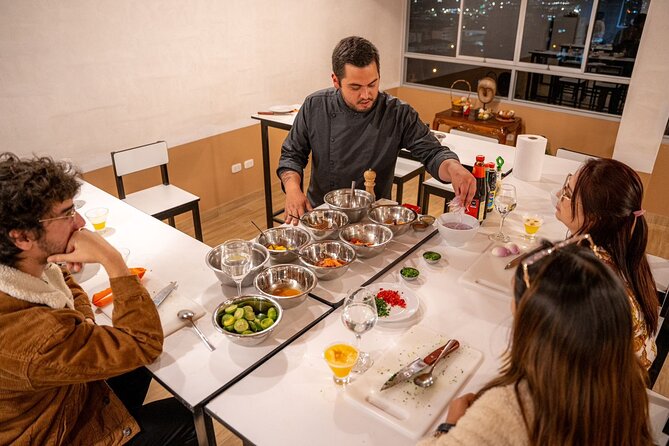
The most unusual part of the activity is helping assemble the Pachamanca oven. Hot stones are used to create the cooking chamber, and the prepared food is placed inside before the oven is covered underground.
This step gives you a clear sense of why the activity lasts about five hours. The cooking method cannot be rushed like a quick stove-top lesson. Heat must be prepared, ingredients arranged, and the earth oven closed so the food can cook.
You should expect some physical participation here. The supplied information confirms that you help assemble the oven using hot stones, but it does not describe the exact amount of lifting or walking involved. If you have limited mobility, ask the provider for current details before booking. Service animals are allowed.
The oven also gives the meal a bit of theater without turning the class into a staged show. At the end, you help open the earth oven and see the food emerge from the same structure you helped prepare. That full cycle is the strongest reason to choose this experience over an ordinary cooking lesson.
More cooking sessions in Cusco:
- Hands-on Peruvian Cooking Class & San Pedro Market Visit in Cusco
★ 5.0 · 421 reviews - Local Market and Peruvian Cooking Class with Pisco Sour in Cusco
★ 5.0 · 384 reviews - Traditional Peruvian Cooking Class and Market Tour in Cusco
★ 5.0 · 375 reviews - Group Cooking Class in Cusco with Pisco Tasting
★ 5.0 · 335 reviews
Waiting while the earth oven works
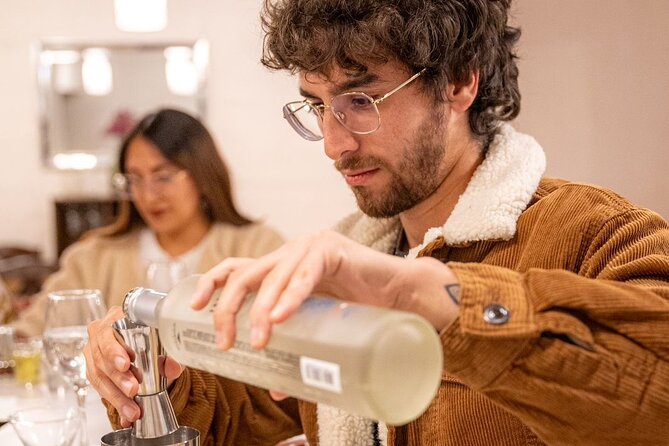
Once the Pachamanca is covered, you have time to relax and enjoy the surroundings. The chefs use this pause to discuss Andean gastronomy and local traditions.
This waiting period is part of the experience, not dead time. It gives you room to ask questions and understand why the ingredients and cooking method matter. You might find the pace pleasant if you enjoy conversation and a long meal. If you prefer constant activity, the pause could feel extended.
The details do not promise a particular view, entertainment, or additional excursion during this period. I would avoid booking this as a scenic tour. The setting around Sacsayhuaman may add atmosphere, but the confirmed focus is the food and the cooking tradition.
You also should not expect a short class that fits neatly between major Cusco sights. Five hours is a substantial portion of a day. Plan around it rather than squeezing it between timed visits to other attractions.
Opening the oven and sharing lunch
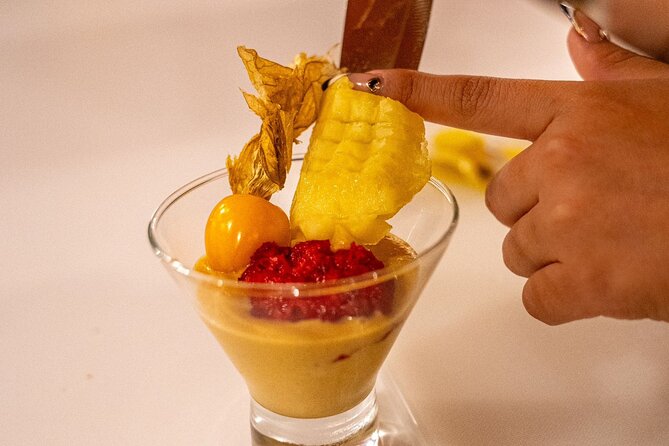
When the cooking is complete, you help open the earth oven and uncover the meal. Lunch includes the Pachamanca dishes prepared during the session, and every dish is tasted afterward.
The communal format is important. You eat together with the hosts and your own group, which makes the meal feel like the natural end of a shared task. The experience is private, so only your group participates. That can be a real advantage for couples, families, or friends who want to ask questions without joining a large class.
A Pisco Sour is included as part of the culinary experience. Since alcoholic beverages are part of the package, you should tell the provider if you do not drink alcohol or prefer not to have one. The supplied details do not state that a nonalcoholic substitute is available, so do not assume one without asking.
The menu may be well suited to people who want to taste a range of Andean ingredients in one sitting. It may be less suitable for a very selective eater if many ingredients need to be replaced. The provider does allow substitutions for health and religious restrictions, which is helpful, but the exact alternatives are not specified.
What $80 per person really buys
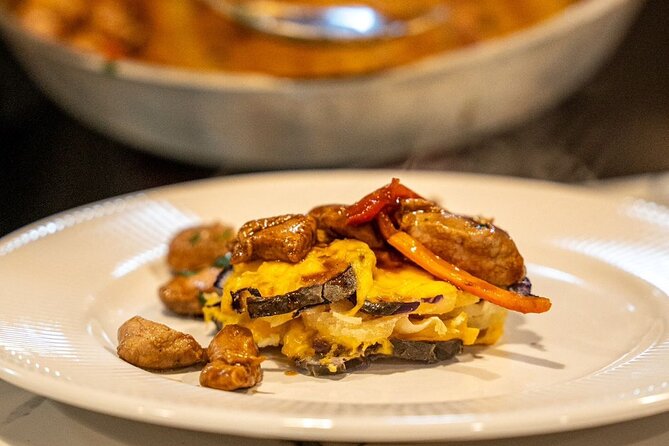
At $80 per person, this is not a cheap lunch. You are paying for about five hours of instruction and participation, private transportation, cooking equipment, the meal, and a Pisco Sour. You also receive a private activity rather than a shared class with unrelated people.
The value is strongest if you care about the process. You help prepare the food, build the hot-stone oven, wait for the underground cooking to finish, and take part in opening it. That is a fuller experience than paying for a prepared Pachamanca meal at a restaurant.
The price is harder to justify if you mainly want to eat traditional food. In that case, a local restaurant may provide lunch for less, though it would not give you the same role in preparing the meal. The private format also raises the cost, but it gives you more control over the pace and conversation within your own group.
The inclusion of transportation removes one practical expense, yet the meeting details deserve care because the experience begins and ends at the Sacsayhuaman point. I would compare the $80 price against the amount of time you have in Cusco and how much you value an active cultural activity.
Who will enjoy this most
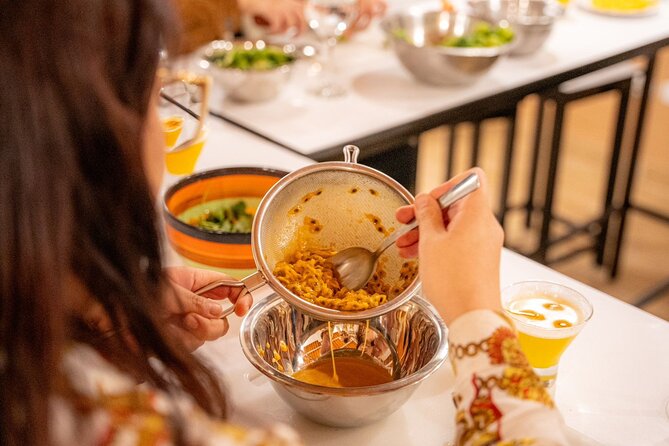
I would recommend the experience to you if you enjoy food with a story and do not mind a long, unhurried schedule. It is especially appealing if you like to handle ingredients, learn traditional techniques, and eat a meal connected to the work you have just done.
Families may appreciate the oven-building and uncovering stages, provided everyone is comfortable with the physical work involved. Couples and small groups may like the private setting, since the activity is limited to their own party.
People with food restrictions can also consider it, since ingredients can be replaced for health or religious reasons. You still need to communicate those needs early and confirm what substitutions are possible.
I would hesitate to recommend it to someone seeking a fast demonstration, a fixed restaurant menu, or a broad guided tour of Cusco. The five-hour length is central to the experience, and the food selection can change with seasonal ingredients.
Timing, cancellations, and a sensible booking plan
The experience is commonly reserved about 18 days ahead, so I would not leave it until the last minute if it is important to your itinerary. That advance pattern may also help you plan around other Cusco activities.
Free cancellation is available up to 24 hours before the local start time for a full refund. Cancellations or changes made less than 24 hours before the start are not accepted for a refund. Keep the local time in mind, especially if you are arranging plans from another time zone.
Because of the one reported no-show problem, I would take a few simple precautions. Confirm the start details, keep the provider contact information, and arrive with enough time to identify the meeting place. If the location appears closed and nobody arrives, contact the booking company right away and document your messages and arrival.
That warning should not erase the appeal of the cooking activity, but it should affect how carefully you prepare. A great food experience depends first on a host being there.
Should you book the Pachamanca experience?
Book it if you want a private, hands-on introduction to Andean cooking and you value the ritual of preparing, burying, cooking, and sharing a meal. The hot-stone oven, native potatoes, corn, seasonal vegetables, Andean seasonings, and communal lunch give the outing a clear sense of purpose.
At $80, I consider it a fair value for people who will take part fully and use the included transport, meal, tools, and drink. I would skip it if you want only a quick lunch or if your schedule cannot spare five hours.
My final advice is to book with a careful confirmation check. The strong overall rating suggests the format can work well, but the report of a locked meeting place and unanswered messages is too specific to ignore. Confirm before setting out, and this could be one of the more memorable meals you have in Cusco.
FAQ
Where does the Pachamanca experience begin?
It begins at C.C. Fortaleza Sacsayhuaman, listed as F2X8+VX8, Cusco 08003, Peru.
Where does the activity end?
The activity ends back at the meeting point.
How long does the experience last?
The experience lasts approximately five hours.
How much does it cost?
The listed price is $80 per person.
Is transportation included?
Yes. Private transportation is included.
Is lunch included?
Yes. Lunch is included, and the dishes prepared during the experience are tasted afterward.
Is a Pisco Sour included?
Yes. A Pisco Sour is included as part of the culinary experience.
Can ingredients be changed for dietary or religious restrictions?
Yes. Since the dishes are prepared at the time of the activity, certain ingredients can be replaced for health, religious, or other stated restrictions.
Added recently around Cusco
- Super valley or vip valley★ 5.0 · 13 reviews
- the Incas’ Sacred Valley★ 5.0 · 27 reviews
- Sacred Valley of the Incas Day Trip from Cusco★ 5.0 · 6 reviews
- Small-Group Tour: Rainbow Mountains Hiking from Cusco★ 4.0 · 5 reviews
- Excursion to the Sacred Valley of the Incas from Cusco★ 5.0 · 8 reviews
- Maras + Moray & Textile Experience★ 5.0 · 14 reviews
- Tour EN Cuatrimoto POR la Montaña 7 Colors Hike 5 Minutes★ 4.5 · 32 reviews
- rainbow mountain★ 4.0 · 4 reviews
Cooking Classes, compared.
Peruvian Cooking Class Cocktails and Market Tour in Cusco
Read our review →

Peruvian Cooking Class, Local Market Tour & Exotic Fruit Tasting
Read our review →
Cusco Cooking Classes and San Pedro Market Tour
Read our review →
Peruvian Cooking Class, Cocktails & Local Market Tour
Read our review →
Hands-on Peruvian Cooking Class & San Pedro Market Visit in Cusco
Read our review →
Local Market and Peruvian Cooking Class with Pisco Sour in Cusco
Read our review →
Traditional Peruvian Cooking Class and Market Tour in Cusco
Read our review →Browse the lists this tour appears in