
Reviewed · COOKING CLASSES
Private Andean Cooking Class, Pachamanca
Come hungry, leave with recipes. This private Cusco class offers a hands-on look at Andean food, from corn tamales and uchucuta pepper sauce to chicha and dishes cooked in clay pots. I like the small private format and the chance to taste ingredients from across Peru before cooking with them.
I also like the mix of food and culture. You learn why grains, peppers, potatoes, fruits, and other Andean foods matter, rather than simply following a recipe. The main consideration is the price: at $150 per person, this is not a cheap lunch, and the value depends on how much you enjoy personal instruction, tasting, and conversation with the chef.
In This Review
- Key Points to Know Before Booking
- Why This Class Fits a Cusco Itinerary
- Starting With Marinades and Andean Flavors
- Making Andean Tamales With Corn
- A Private Market of Grains, Fruits, and Superfoods
- Preparing Uchucuta, an Inca-Era Pepper Sauce
- Chicha Tasting and the Story of Fermentation
- Clay Pots and the Final Meal
- The Chefs Make a Big Difference
- Is $150 Per Person Good Value?
- Practical Details for Your Morning
- Who Should Book This Experience?
- Should You Book the Pachamanca Cooking Class?
- FAQ
- Where does the cooking class begin?
- What time does the experience start?
- How long does the class last?
- Where does the class finish?
- Is this a private activity?
- Can the class be taught in English?
- Is a vegetarian option available?
- Do I need to bring my passport?
Key Points to Know Before Booking
- Three hours of hands-on cooking: The class begins at 9:00 a.m. and finishes back at the meeting point, making it a useful morning activity before an afternoon in Cusco.
- Private instruction: Only your group takes part, so the pace can suit couples, families, and mixed cooking abilities.
- Andean ingredients take center stage: You visit a private market and taste grains, fruits, peppers, and other products tied to Peru’s food culture.
- Traditional recipes meet lively cooking: You prepare Andean tamales, uchucuta sauce, and food cooked in clay pots.
- Pisco and chicha are part of the experience: Drinks add a social side, with past classes also including pisco cocktails such as pisco sours and Chilcanos.
- Dietary requests need advance notice: Vegetarian options are available, but you should state dietary needs when booking.
Why This Class Fits a Cusco Itinerary
Cusco days can fill quickly with ruins, museums, and high-altitude walks. A cooking class gives you a slower morning and a way to connect with Peru through food instead of another stone wall or church interior.
The class starts at C. Palacio 135, at 9:00 a.m. It lasts about three hours and ends at the same meeting point. That timing makes it easy to use as a relaxed first activity of the day, or as a break between more demanding excursions.
I especially like the private setup. You are not trying to keep up with a large group, and the chef can adjust the instruction to your level. If you cook often, you can ask for more detail about technique. If you rarely cook, you can take your time with chopping, mixing, and seasoning.
The class is also suitable for families. Chef Fernando has worked especially well with children, using mocktails and kid-friendly touches to keep younger participants involved. That does not mean every child will enjoy three hours of cooking, but the private format gives your family more room to set its own pace.
More Cooking Classes in Cusco
- Peruvian Cooking Class Cocktails and Market Tour in Cusco
★ 5.0 · 1,712 reviews - Cusco Cooking Classes and San Pedro Market Tour
★ 5.0 · 691 reviews - Cusco: Peruvian Cooking Class, Cocktails & Local Market Tour
★ 4.9 · 512 reviews
Starting With Marinades and Andean Flavors
The first stage focuses on marination. You prepare meat and other ingredients in a special sauce before cooking, learning how seasoning changes flavor and texture.
This is a useful place to begin because Peruvian cooking often relies on layers of flavor rather than one heavy sauce. You get to see how ingredients work together before the heat enters the picture.
The exact dishes can vary with the class and the chef. The planned Andean menu includes tamales, uchucuta, chicha, and clay-pot cooking, while past classes have included ceviche, lomo saltado, alpaca lomo saltado, and pisco drinks.
That variation is worth noting. You should not book expecting one rigid menu unless the provider confirms it. Ask ahead if you have a particular dish in mind, especially ceviche or lomo saltado, since both have featured prominently in previous classes.
Making Andean Tamales With Corn
Next comes the preparation of Andean tamales. Corn is the key ingredient, and the technique connects the dish to older food traditions of the region.
This part should appeal to you if you want something more distinctive than a standard restaurant cooking lesson. Tamales require attention to texture and wrapping, so you are learning a method, not just assembling a quick snack.
The class uses food as a link to the land. Corn is not treated as a generic pantry item. It is presented as part of Andean agriculture and daily life, alongside grains, peppers, potatoes, fruits, and other local foods.
I would pay attention here to the chef’s explanation of ingredients. One of the best features of the class is that you taste foods before cooking with them. That helps you understand what makes Peruvian produce different from ingredients you may find at home.
A Private Market of Grains, Fruits, and Superfoods
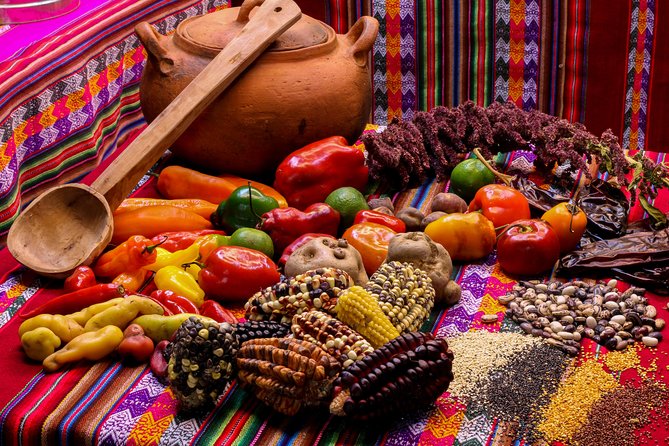
The private market visit adds context to the cooking. You explore Andean products ranging from ancient grains to foods often described as superfoods, while learning about their role in the diet and culture of the Andes.
This portion gives the class a wider frame. Instead of seeing a recipe as an isolated dish, you begin to understand the foods behind it. You may taste local fruits, examine different peppers, and learn about the importance of grains and potatoes in Peru’s cooking traditions.
Past classes have included tastings of fruits, vegetables, condiments, herbs, pisco, and different types of potatoes. You may also learn about the health benefits associated with local grains and other produce.
The private market is not the same as a full city market tour. It is part of the cooking experience, and the information provided does not promise a separate walking tour through Cusco’s public markets. That distinction matters if you are mainly looking for market photography or a long shopping excursion.
More cooking sessions in Cusco:
- Hands-on Peruvian Cooking Class & San Pedro Market Visit in Cusco
★ 5.0 · 421 reviews - Local Market and Peruvian Cooking Class with Pisco Sour in Cusco
★ 5.0 · 384 reviews - Traditional Peruvian Cooking Class and Market Tour in Cusco
★ 5.0 · 375 reviews - Group Cooking Class in Cusco with Pisco Tasting
★ 5.0 · 335 reviews
Preparing Uchucuta, an Inca-Era Pepper Sauce
Uchucuta is a spicy sauce associated with Inca-era food traditions. You prepare it with traditional methods passed through generations.
For me, this is one of the most appealing parts of the class because a sauce can tell you a great deal about a cuisine. You learn how heat, herbs, and other ingredients are balanced, and you can adjust your approach based on your own taste.
If you do not handle spice well, tell the chef early. The class description identifies uchucuta as spicy, so this is not the moment to assume every dish will be mild. A private lesson gives you a better chance to discuss your preference before the sauce is finished.
The sauce also gives you something practical to recreate later. It is easier to carry a technique home than a fragile food souvenir, and a good pepper sauce can bring back the flavor of your Cusco trip long after you leave Peru.
Chicha Tasting and the Story of Fermentation
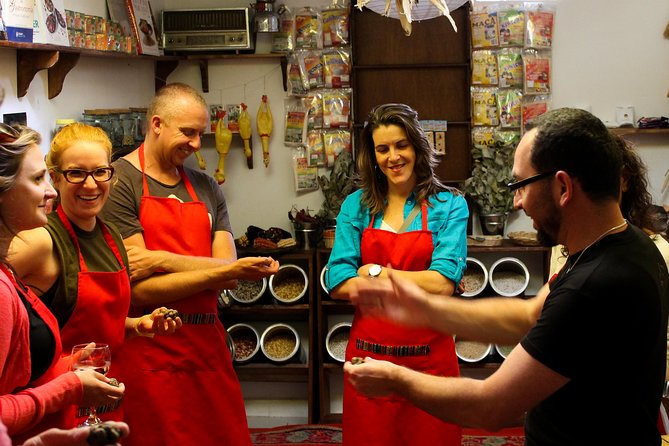
The chicha tasting introduces the traditional fermented drink associated with the Incas. You taste it as part of the class and learn about its place in Andean culture.
This is more than a beverage break. Chicha opens a window onto older food customs and the importance of fermentation in local life. The experience is educational, but it also gives the class a social rhythm between cooking tasks.
Pisco appears in the wider cooking-class format as well. Past sessions have included pisco tastings and cocktails such as pisco sours and Chilcanos. The advertised inclusions list beverages, though it does not promise a fixed cocktail menu for every session.
If you do not drink alcohol, mention that when booking. The supplied information confirms vegetarian options and dietary requests, but it does not spell out a separate nonalcoholic menu. Children have received mocktails in at least one family class, so it is sensible to ask what can be arranged.
Clay Pots and the Final Meal
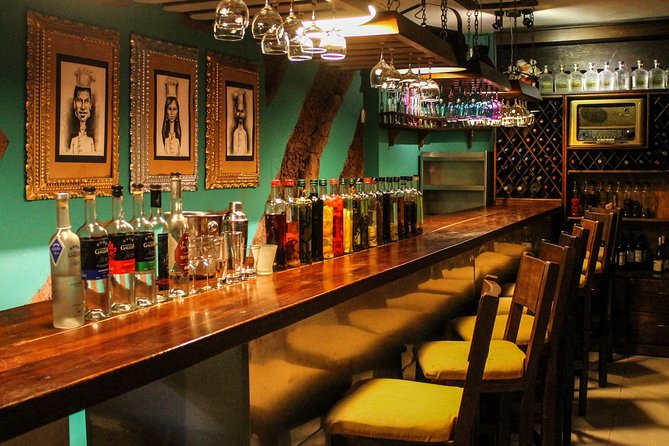
The final tasting brings together the ingredients prepared during the class. Food is cooked in clay pots, creating a meal connected to Andean cooking methods and the natural materials of the region.
The meal includes one appetizer and one main course. That is a modest description, but the experience is not meant to be a large restaurant feast. The point is to cook the food yourself, understand the ingredients, and then sit down to eat what you made.
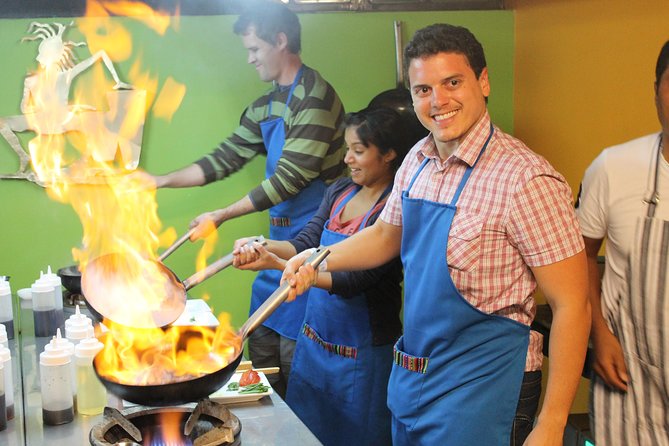
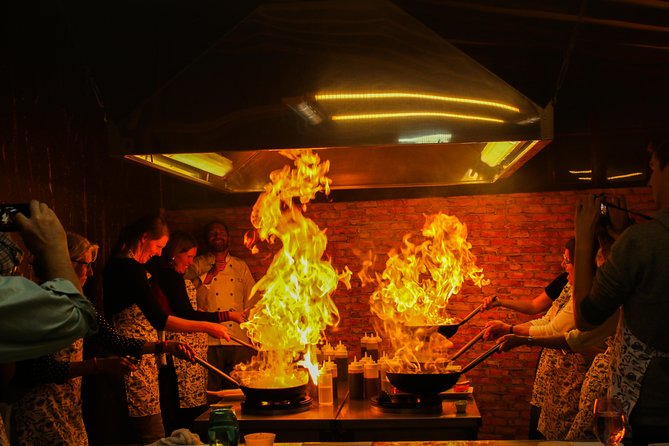
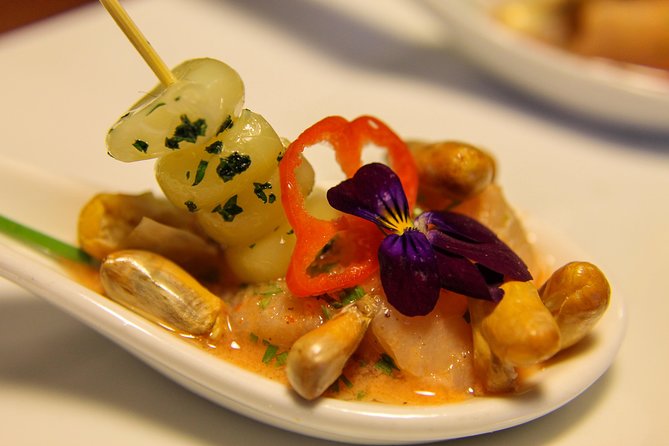
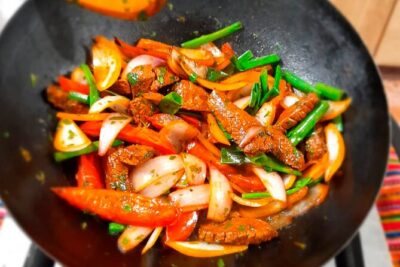
Past classes have produced ceviche and lomo saltado, with some sessions featuring alpaca lomo saltado. Participants have also enjoyed dramatic wok cooking and flambé techniques. Those dishes are not guaranteed by the stated Andean program, so confirm the menu if they are your priority.
The final meal is where the class pays off. You get to compare the raw ingredients you tasted earlier with the finished dish. You also leave with a clearer sense of how Peruvian food combines indigenous ingredients with techniques and influences from other cultures.
The Chefs Make a Big Difference
The provider is Marcelo Batata Cooking Class, and the class is led by a professional chef. Specific instructors have included Alejandro, Fernando, José, José Luis, and Christina.
Each name matters because the teaching style is a large part of the experience. Chef Alejandro has been praised for explaining local fruits, vegetables, meats, grains, and the development of Peruvian cooking. He also sent recipes after class, which is a useful bonus if you want to cook the dishes at home.
Chef Fernando has been a strong choice for families. He has used children’s music, mocktails, and direct help at the cooking station. If you are traveling with children or grandparents, request an English class and ask whether Fernando is available, though no instructor is guaranteed.
Christina has been praised for her warmth, clear explanations, and history lessons. She has taught ceviche, lomo saltado, pisco drinks, and local ingredients, and has welcomed follow-up questions after the class.
The provider can operate in English or Spanish, depending on your request. Make that request when booking. Do not assume your preferred language will be arranged automatically at the last minute.
Is $150 Per Person Good Value?
At $150 per person, this is a premium cooking activity in Cusco. You are paying for a private class, a professional chef, beverages, bottled water, an appetizer, a main course, tastings, and about three hours of instruction.
The strongest value comes when you actively participate. If you want a quick meal and a recipe card, the cost may feel high. If you enjoy asking questions, tasting unfamiliar ingredients, learning traditional methods, and cooking at your own pace, the private format makes more sense.
The cost is also easier to justify for a special occasion. One couple used the class during a honeymoon and found it to be one of the best parts of their time in Cusco. A private class can feel especially worthwhile when it replaces a standard lunch with an activity you remember and can repeat at home.
Still, I would check exactly what your session includes. The published details promise one appetizer and one main, beverages, and water. Cocktail options and specific dishes can vary, so ask about the menu before paying if you have strong expectations.
Practical Details for Your Morning
Bring your original passport at the beginning of the course. It is required for tax purposes, so this is not something to leave in your hotel safe.
Tell the provider about vegetarian needs or other dietary restrictions when you book. A vegetarian option is available, but advance notice is required. The same advice applies to allergies and alcohol preferences.
The class begins at 9:00 a.m. at C. Palacio 135 and ends there. No separate transportation is listed, so plan to make your own way to the meeting point and allow enough time to arrive without rushing.
Confirmation is provided at booking. The activity is private, and only your group participates. Free cancellation is available if you cancel at least 24 hours before the start time. A later cancellation or change is not refunded, and the experience requires a minimum number of participants to operate.
Who Should Book This Experience?
I would recommend it to couples who want a memorable food activity, families looking for something more interactive than sightseeing, and home cooks who want techniques they can use later.
It also suits you if you have already spent several days visiting ruins and need a calmer morning. The class gives you local context without requiring another long drive or strenuous walk.
It may not suit you if you want a large meal, a full market tour, or a fixed menu of ceviche and lomo saltado. Those dishes have featured in previous sessions, but the Andean program centers on tamales, uchucuta, chicha, clay-pot cooking, and regional ingredients.
Should You Book the Pachamanca Cooking Class?
Book this class if food is one of the main reasons you came to Peru. The private format, strong chefs, ingredient tastings, family-friendly approach, and mix of cooking with cultural explanation give it more substance than a simple recipe lesson.
I would book it as a morning between major Cusco outings, and I would send dietary, language, and menu requests well ahead of time. At $150, it is best viewed as a private cultural activity with lunch included, not merely a meal.
FAQ
Where does the cooking class begin?
The class begins at C. Palacio 135, Cusco 08002, Peru.
What time does the experience start?
The scheduled start time is 9:00 a.m.
How long does the class last?
The experience lasts approximately three hours.
Where does the class finish?
The activity ends back at the meeting point.
Is this a private activity?
Yes. Only your group participates in the class.
Can the class be taught in English?
Yes. The class operates in English or Spanish depending on your request.
Is a vegetarian option available?
Yes. A vegetarian option is available, but you must advise the provider when booking.
Do I need to bring my passport?
Yes. Your original passport must be provided at the beginning of the course for tax purposes.
Added recently around Cusco
- Super valley or vip valley★ 5.0 · 13 reviews
- the Incas’ Sacred Valley★ 5.0 · 27 reviews
- Sacred Valley of the Incas Day Trip from Cusco★ 5.0 · 6 reviews
- Small-Group Tour: Rainbow Mountains Hiking from Cusco★ 4.0 · 5 reviews
- Excursion to the Sacred Valley of the Incas from Cusco★ 5.0 · 8 reviews
- Maras + Moray & Textile Experience★ 5.0 · 14 reviews
- Tour EN Cuatrimoto POR la Montaña 7 Colors Hike 5 Minutes★ 4.5 · 32 reviews
- rainbow mountain★ 4.0 · 4 reviews
Cooking Classes, compared.
Peruvian Cooking Class Cocktails and Market Tour in Cusco
Read our review →
Peruvian Cooking Class, Local Market Tour & Exotic Fruit Tasting
Read our review →
Cusco Cooking Classes and San Pedro Market Tour
Read our review →
Peruvian Cooking Class, Cocktails & Local Market Tour
Read our review →
Hands-on Peruvian Cooking Class & San Pedro Market Visit in Cusco
Read our review →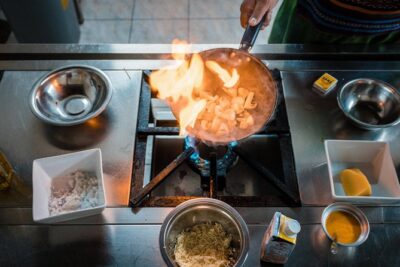
Local Market and Peruvian Cooking Class with Pisco Sour in Cusco
Read our review →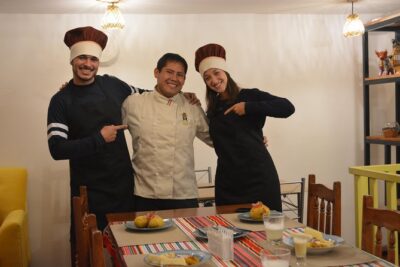
Traditional Peruvian Cooking Class and Market Tour in Cusco
Read our review →Browse the lists this tour appears in