
Reviewed · COOKING CLASSES
Short Peruvian Cooking Class by Pete
A good lunch can teach you a country. This compact Cusco class combines hands-on cooking with a generous meal, and I like that you prepare both the Peruvian national cocktail and a classic chicken dish rather than simply watching a chef work. I also like the small maximum group of nine, which should give you a better chance to ask questions and get help at the cutting board.
The main catch is the short schedule. At 90 minutes, this is an express introduction, not a slow market-to-table workshop. The class runs Monday through Friday at 1:30 p.m., so it will not suit a weekend itinerary or anyone hoping to prepare several dishes.
In This Review
- Key points to know before booking
- Why this short class works in a busy Cusco schedule
- Starting with pisco sour at 1:30 p.m.
- Cutting fresh ingredients with the chef
- Ají de gallina, a hearty Peruvian lunch
- The meal is part of the value
- What the friendly teaching style adds
- Who will enjoy this Cusco cooking class most
- Practical timing, meeting point, and cancellation
- Should you book Pete’s short Peruvian cooking class?
- FAQ
- Where does the cooking class begin?
- What time does the experience start?
- How long does the class last?
- Is the class available on weekends?
- What language is offered?
- What drink do I prepare?
- What main dish is included?
- How many people can join the class?
- Can I cancel for a full refund?
Key points to know before booking
- You make a pisco sour from scratch, using Peruvian pisco, lime juice, syrup, egg white, ice, and Angostura bitters.
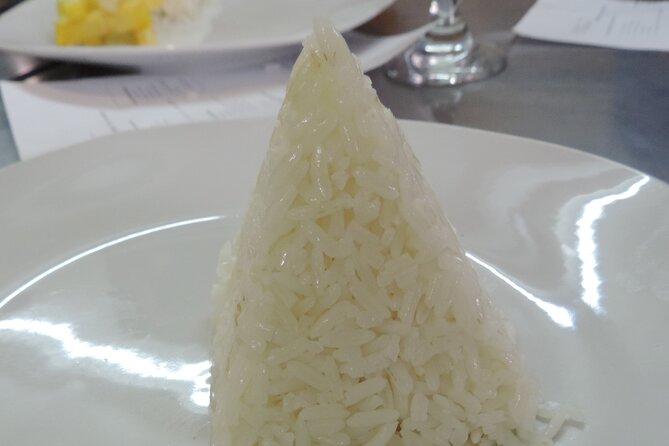
- The main dish is ají de gallina, a comforting chicken recipe served in a yellow chili sauce with potato and rice.
- The class ends with a full lunch, so plan to arrive hungry rather than treating this as a small tasting.
- The group is capped at nine people, a useful size for a practical cooking lesson.
- Roxana and Francisca have been praised for their friendly teaching, including a family-style approach to the food.
- The class meets at C. San Juan de Dios 283, lasts about 1 hour 30 minutes, and returns to the same point.
Why this short class works in a busy Cusco schedule
Cusco can fill your calendar quickly. A morning at the archaeological sites, a train connection, or a full day walking the city can leave little room for a long cooking course. This class solves that problem with a fixed 1:30 p.m. start and a 3 p.m. finish.
I see the timing as one of the strongest reasons to book. You get a real activity rather than another quick restaurant stop, but you do not have to surrender half a day. The schedule also fits neatly after a morning of sightseeing and before an evening meal.
The tradeoff is depth. You will not have much spare time for long stories, several cooking rounds, or a relaxed multi-course production. The advertised plan centers on one drink and one main dish, so I would choose it for a taste of Peruvian food culture, not for serious culinary training.
The experience is offered in English, which makes it accessible if you want explanations as you work. Confirmation is sent at booking, and the meeting point is near public transportation. You should still allow a few minutes to find C. San Juan de Dios 283, especially if you are unfamiliar with Cusco’s streets.
More Cooking Classes in Cusco
- Peruvian Cooking Class Cocktails and Market Tour in Cusco
★ 5.0 · 1,712 reviews - Cusco Cooking Classes and San Pedro Market Tour
★ 5.0 · 691 reviews - Cusco: Peruvian Cooking Class, Cocktails & Local Market Tour
★ 4.9 · 512 reviews
Starting with pisco sour at 1:30 p.m.
The class begins in the kitchen with the chef and an ingredient check. This is a small but useful opening: you see what will go into the meal before you start chopping, and the cooking has a clear purpose from the first minute.
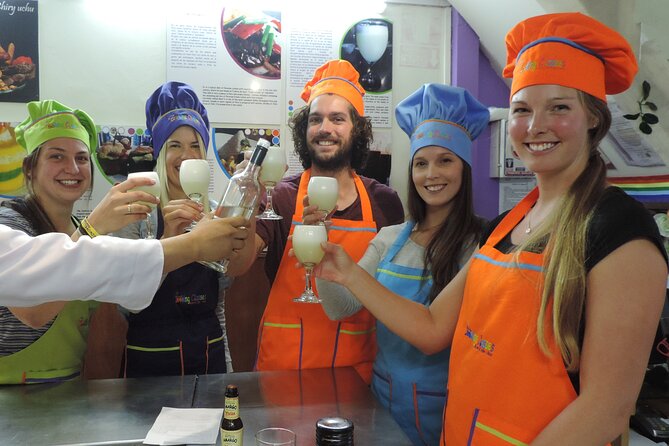
Your first task is the pisco sour. The drink uses Peruvian pisco, lime juice, bar syrup, egg white, ice cubes, and Angostura bitters. You blend your own cocktail with guidance from the chef, so this is not simply a drink handed to you while you wait.
The pisco sour also gives the class an easy cultural entry point. Pisco is a Peruvian grape brandy, and the cocktail is widely treated as Peru’s national drink. You get a sense of how local ingredients and national identity meet in a glass, then you can enjoy the result as the cooking continues.
Because this is a short class, pay attention during this opening step. The drink may look simple, but the balance of lime, sweetness, foam, and bitters is what makes it work. The provided description does not promise a formal cocktail lesson or multiple tastings, so expect one practical preparation rather than a full bar workshop.
Cutting fresh ingredients with the chef
After the cocktail, you move on to the food. The plan is straightforward: cut fresh, high-quality ingredients with help from the chef, then use those ingredients in the main dish.
That hands-on part matters. A demonstration can show you what a dish looks like, but chopping and assembling the ingredients gives you a better feel for the recipe. You can ask questions as you work, and the small group limit should make it easier to receive assistance if your knife work or preparation needs correction.
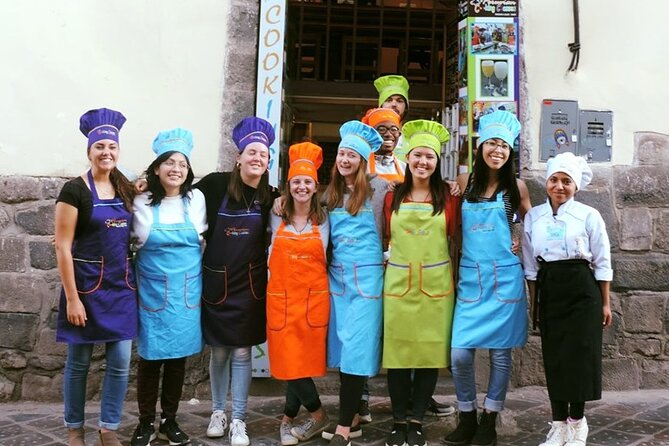
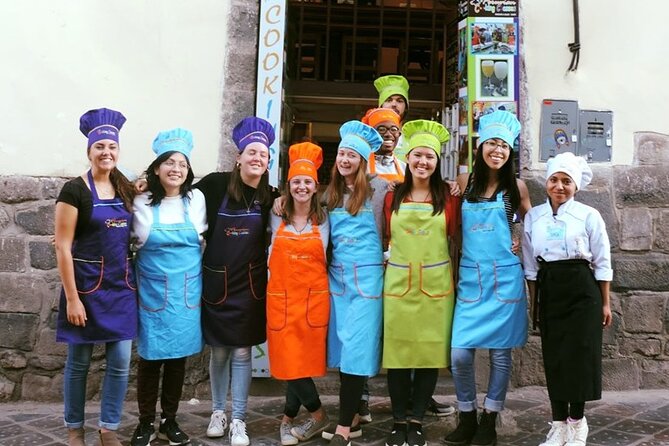
The teaching style appears friendly and personal. Roxana and Francisca have been praised for explaining the food as if they were cooking with family, which is exactly the right tone for a short class. I would expect encouragement and practical guidance rather than a formal culinary-school lecture.
The class also aims to explain how Peruvian culture shapes the food. That is an important feature in Cusco, where a dish can tell you more than a list of ingredients. The provided information does not give a full lecture outline, so you should expect cultural explanation woven into the cooking rather than a separate history presentation.
Ají de gallina, a hearty Peruvian lunch
The sample main course is ají de gallina, a creamy chicken dish built around a yellow chili sauce. The recipe includes chicken, onion, peanuts, crackers, milk, potato, and rice.
This is a good choice for a short class because it offers several familiar and distinctive elements at once. Chicken and rice make it approachable, while ají amarillo, the yellow chili associated with the dish, gives the sauce its Peruvian character. Peanuts and crackers help create body, and potato adds another staple to the plate.
Do not expect a fiery challenge simply because the word ají appears in the name. The supplied description does not state a heat level, and the point is the layered sauce rather than a test of endurance. If you are sensitive to spice or have food restrictions, ask the provider before booking because the available information does not list substitutions or allergy procedures.
The portion is intended to function as lunch. I would avoid eating a large meal beforehand. You prepare the food and then sit down to eat it as you would in a restaurant, which makes the final part feel more complete than a quick sample at a counter.
The class listing provides this dish as the sample menu, but feedback connected with the experience has also referred to ceviche, salted lomo, and a tasting of five unfamiliar fruits. A guided visit to San Pedro Market has also been described. Since those items are not included in the stated short itinerary, you should confirm the exact menu and schedule if those dishes or the market visit are important to your plans.
More cooking sessions in Cusco:
- Hands-on Peruvian Cooking Class & San Pedro Market Visit in Cusco
★ 5.0 · 421 reviews - Local Market and Peruvian Cooking Class with Pisco Sour in Cusco
★ 5.0 · 384 reviews - Traditional Peruvian Cooking Class and Market Tour in Cusco
★ 5.0 · 375 reviews - Group Cooking Class in Cusco with Pisco Tasting
★ 5.0 · 335 reviews
The meal is part of the value
At $30 per person, the class is priced more like a practical activity with lunch than a simple cooking demonstration. You receive instruction, ingredients, a pisco sour, and the main dish you prepare. In a city where a sit-down meal already takes a portion of your daily budget, that combination makes the price reasonable.
I would not judge the value only by how many recipes you take home. The class gives you a social meal, an introduction to a national cocktail, and context for a Peruvian dish. Those elements are useful if you want an activity that connects food with place.
Still, the value depends on your expectations. If you want a long session, several recipes, a market tour, or a printed recipe collection, the short format may feel limited. If you mainly want to cook one recognizable dish and eat a hearty lunch without giving up an afternoon, the price is easier to justify.
The small maximum of nine also helps. A class with fewer than ten people can feel more personal than a large demonstration, though the actual number on your date may be smaller or close to the limit. The information does not promise private instruction, so expect a shared class rather than one-on-one coaching.
What the friendly teaching style adds
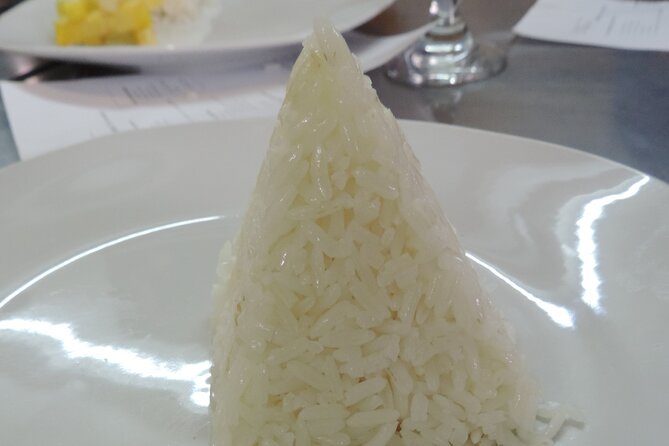
Good cooking instruction is not only about the recipe. It is also about whether you feel comfortable making mistakes. The praise for Roxana and Francisca points to a warm approach, with explanations that make the kitchen feel less like a stage and more like a family table.
That matters for beginners. You do not need to arrive with advanced knife skills or a detailed understanding of Peruvian cooking. The chef helps you through the ingredient preparation, and the format lets you learn by doing.
One particularly thoughtful touch was a birthday celebration with a cake and candle. That is not a standard feature you should assume will be included, but it suggests the team pays attention to personal occasions when they know about them. If you are celebrating, it may be worth mentioning the occasion when you book, without expecting a guaranteed extra.
The class also seems to encourage curiosity beyond the plate. Food history and the role of local products are part of the conversation, and the market-focused experience described in connection with the cooking program shows how the team can connect ingredients with daily life in Peru. For this short version, confirm how much time is set aside for that material.
Who will enjoy this Cusco cooking class most
I would recommend this class to you if you want an activity that is:
- Short enough to fit into a packed Cusco itinerary
- Conducted in English
- Focused on making food rather than only watching
- Suitable for a first introduction to Peruvian cooking
- Likely to leave you with a proper lunch
- Small enough for direct contact with the chef
It also suits couples, friends, and families who enjoy sharing a task. The birthday experience suggests the staff can make a personal occasion feel special, although the class is not marketed as a dedicated celebration package.
You may want a different option if you do not drink alcohol, since the class begins with pisco sour preparation. The information does not state whether a nonalcoholic substitute is available, so ask before reserving. I would also look elsewhere if you need a weekend activity, since this class is not available on Saturdays or Sundays.
People with strict dietary needs should contact the provider in advance. The stated menu contains chicken, peanuts, milk, egg white, rice, potato, and alcohol. The information does not confirm alternatives, so do not assume the recipe can be changed on the day.
Practical timing, meeting point, and cancellation
The class starts at 1:30 p.m. and ends around 3 p.m. at the same meeting point. That return to C. San Juan de Dios 283 makes planning simple, especially if you have an evening reservation or another activity afterward.
The experience is near public transportation, but no pickup service is listed. Plan to make your own way to the meeting point and allow enough time to arrive before the start. A cooking class cannot easily wait for late arrivals once the ingredient work has begun.
The activity is offered Monday through Friday during the stated operating period, which runs through July 7, 2026. It is often reserved about 25 days ahead, so I would not leave it until the last minute if your Cusco dates are fixed.
You can cancel without a charge up to 24 hours before the local start time for a full refund. Cancellations or changes made inside that 24-hour window are not refunded or accepted. That policy is fairly clear, but it makes it wise to book only after your daily schedule is settled.
Should you book Pete’s short Peruvian cooking class?
Book it if you want a friendly, affordable food activity that fits neatly between other Cusco plans. The combination of pisco sour, ají de gallina, cultural context, and a full meal gives you more substance than a quick tasting, while the 90-minute schedule keeps the commitment manageable.
I especially like it for first-time visitors who want to understand Peruvian food through their own hands. The warm teaching style associated with Roxana and Francisca, the small group cap, and the chance to sit down and eat what you prepared all strengthen the experience.
Skip it if you need a weekend date, a long market excursion, or a broad cooking syllabus. Also confirm the menu if you are booking because of the fruit tasting, ceviche, lomo, or San Pedro Market visit, since the stated short class centers on pisco sour and ají de gallina.
For a compact weekday lunch with a distinctly Peruvian focus, this is a sensible Cusco pick.
FAQ
Where does the cooking class begin?
The class begins at C. San Juan de Dios 283, Cusco 08002, Peru.
What time does the experience start?
It starts at 1:30 p.m. and finishes at approximately 3 p.m.
How long does the class last?
The experience lasts about 1 hour and 30 minutes.
Is the class available on weekends?
No. It is offered Monday through Friday and is not available on Saturdays or Sundays.
What language is offered?
The class is offered in English.
What drink do I prepare?
You prepare a pisco sour with Peruvian pisco, lime juice, bar syrup, egg white, ice cubes, and Angostura bitters.
What main dish is included?
The sample main dish is ají de gallina, made with chicken, yellow chili sauce, onion, peanuts, crackers, milk, potato, and rice.
How many people can join the class?
The maximum group size is nine people.
Can I cancel for a full refund?
Yes. You can cancel at least 24 hours before the local start time for a full refund. Cancellations or changes made less than 24 hours before the start are not accepted and are not refunded.
Added recently around Cusco
- Super valley or vip valley★ 5.0 · 13 reviews
- the Incas’ Sacred Valley★ 5.0 · 27 reviews
- Sacred Valley of the Incas Day Trip from Cusco★ 5.0 · 6 reviews
- Small-Group Tour: Rainbow Mountains Hiking from Cusco★ 4.0 · 5 reviews
- Excursion to the Sacred Valley of the Incas from Cusco★ 5.0 · 8 reviews
- Maras + Moray & Textile Experience★ 5.0 · 14 reviews
- Tour EN Cuatrimoto POR la Montaña 7 Colors Hike 5 Minutes★ 4.5 · 32 reviews
- rainbow mountain★ 4.0 · 4 reviews
Cooking Classes, compared.
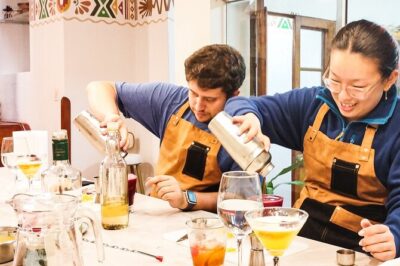
Peruvian Cooking Class Cocktails and Market Tour in Cusco
Read our review →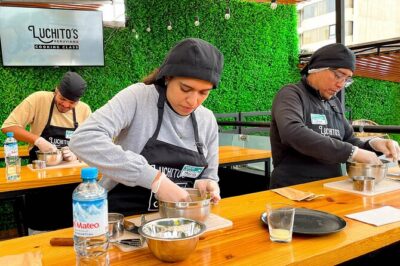
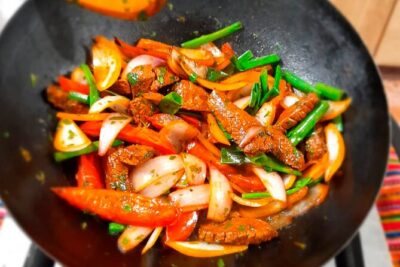
Peruvian Cooking Class, Local Market Tour & Exotic Fruit Tasting
Read our review →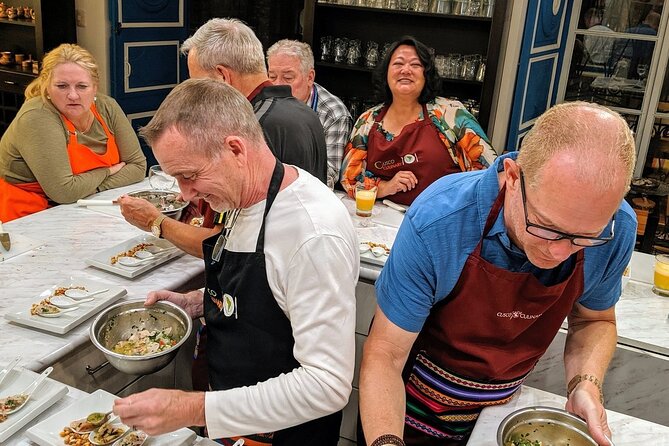
Cusco Cooking Classes and San Pedro Market Tour
Read our review →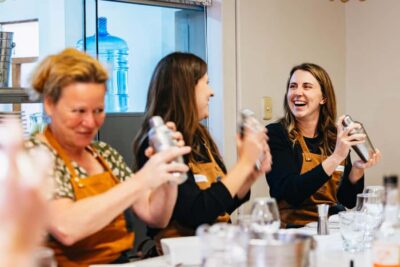
Peruvian Cooking Class, Cocktails & Local Market Tour
Read our review →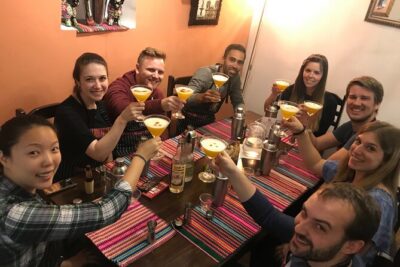
Hands-on Peruvian Cooking Class & San Pedro Market Visit in Cusco
Read our review →
Local Market and Peruvian Cooking Class with Pisco Sour in Cusco
Read our review →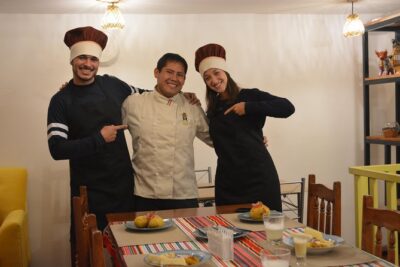
Traditional Peruvian Cooking Class and Market Tour in Cusco
Read our review →Browse the lists this tour appears in