
Reviewed · WORKSHOPS
Chaqchao Chocolate Making Workshop
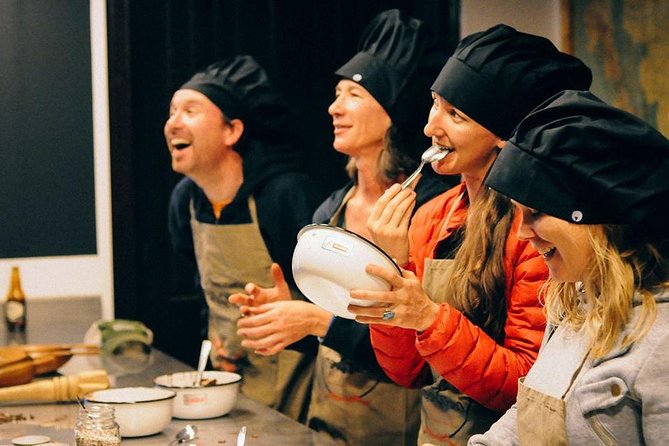
Chocolate tastes better when you make it. The Chaqchao workshop turns Arequipa’s café culture into a hands-on chocolate lesson, taking you from roasted cacao beans to sweets you can carry home. I like the traditional cacahuatil drink and the chance to work with Andean ingredients such as quinoa, kiwicha, and coca. The main thing to plan around is the fixed class schedule: you must message Chaqchao after booking to request either 11 a.m. or 2:45 p.m.
I also like the private format, which can make the two-hour-15-minute session feel more like a personal class than a standard group activity. Instructors such as Andreas have been praised for humor, patience, and clear English. The only possible drawback is that this is a full class, not a quick candy-making stop, so it may feel long if you are not interested in the history and production of chocolate.
In This Review
- Key points at a glance
- A chocolate workshop in central Arequipa
- Choose 11 a.m. or 2:45 p.m. carefully
- From cacao pod to bean-to-bar chocolate
- Roasting cacao beans yourself
- Grinding cacao with a granite mortar
- A blind tasting that changes how you eat chocolate
- Making chocolates with quinoa, kiwicha, and coca
- The private format works well for different groups
- Who will get the most from the $35 price?
- Practical details before you book
- Should you book the Chaqchao workshop?
- FAQ
- Where does the Chaqchao Chocolate Making Workshop take place?
- How long does the workshop last?
- What class times are available?
- What does the workshop include?
- Is this a private activity?
- Can I cancel for a refund?
Key points at a glance
- Roast and grind your own cacao: You handle the beans, roast them, and make cacao paste with a granite stone mortar.
- Taste cacahuatil: This traditional Mexican cacao drink adds an unusual cultural layer beyond ordinary chocolate sampling.
- Use Peruvian ingredients: Your handmade chocolates can include quinoa, kiwicha, and coca.
- Compare commercial and artisan chocolate: A blind tasting helps you notice differences in flavor and cacao content.
- Take home your own chocolates: The finished sweets give you a useful souvenir, not just a sugar rush.
- Plan your class time: Choose 11 a.m. or 2:45 p.m. by email or WhatsApp after booking.
A chocolate workshop in central Arequipa
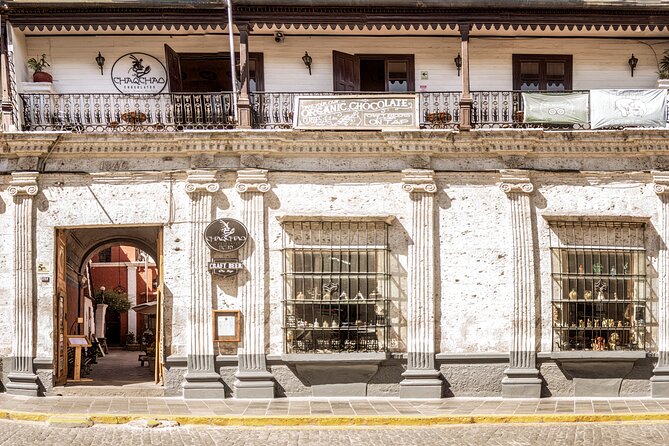
Chaqchao Chocolate Making Workshop takes place at the Chaqchao café at Santa Catalina 204 in Cercado de Arequipa. That central address makes the activity easy to fit into a day of exploring the historic center, and the session begins and ends at the café.
This is not a demonstration where you sit at a distance and watch someone else work. You handle cacao beans, prepare them, grind them, taste different chocolates, and make your own pieces. That practical element gives the workshop its value. By the end, you understand more about what is in your chocolate because you have dealt with the raw material yourself.
The class lasts about two and a half hours, though the stated duration is approximately two hours and 15 minutes. I would leave enough room around it rather than schedule a museum visit or bus connection immediately afterward. Chocolate production has several steps, and the pace appears designed to let each person participate rather than hurry through a checklist.
The café also sells organic Peruvian coffee, homemade desserts, craft Peruvian beer, and Chaqchao’s bean-to-bar chocolates. You can arrive early or stay afterward for something else, though the workshop itself is the main reason to visit.
A few more Arequipa trips worth lining up side by side
- Bean to Bar Chocolate Workshop in ChocoMuseo Cusco
★ 5.0 · 410 reviews - Bean-to-Bar Chocolate Workshop in ChocoMuseo Lima Miraflores
★ 5.0 · 258 reviews - Chocolate Workshop in Cusco with Premium Organic Cacao
★ 5.0 · 75 reviews
Choose 11 a.m. or 2:45 p.m. carefully
The normal class times are 11 a.m. and 2:45 p.m. You need to send Chaqchao a message after booking to state which time you prefer. Email or WhatsApp are both accepted.
This detail matters because the published opening-hours information can look confusing. The workshop is presented as running daily, with the two class times listed separately. Do not assume that selecting a date automatically communicates your preferred hour. Send the message.
The morning class works well if you want to keep the afternoon open for Arequipa’s sights. The later class can be useful after a relaxed morning, and the café setting gives you a pleasant food-centered activity during the middle of the day. Since the experience takes about two hours and 15 minutes, neither session is a minor stop.
The location is near public transportation, but no hotel pickup is provided in the information supplied. You should plan to reach Santa Catalina 204 on your own and return to the same meeting point after class.
From cacao pod to bean-to-bar chocolate
The class begins with the story of cacao and the bean-to-bar process. That phrase can sound like marketing shorthand, but here it connects directly to the work you do. You start with cacao in a less finished form, then see how roasting, grinding, and preparation change it.
The history portion also gives the chocolate a wider setting. You learn about cacao’s origins and its place in Peruvian and Latin American food traditions before moving into the practical work. This helps explain why the workshop includes a Mexican-style mortar technique and a traditional drink, rather than focusing only on modern confectionery.
You may see and handle a real cacao pod as part of the introduction. From there, the class moves to the beans themselves. This physical contact is useful because it removes some of the distance between a polished chocolate bar and the agricultural product behind it.
The workshop is especially good for anyone who has always liked chocolate but has never thought about how it is made. It also suits families with older children and teenagers, since the activities involve movement, tasting, and making rather than a long lecture.
Roasting cacao beans yourself
One of the most memorable steps is roasting your own cacao beans. Roasting changes the aroma and flavor of cacao, and doing it yourself gives you a clear sense that chocolate is a prepared food, not something that simply comes from a factory in finished form.
The class explains the process while you participate. You are not expected to become a professional chocolatier in one afternoon, but you do get a practical view of the work behind bean-to-bar production.
This part may appeal most to curious eaters and home cooks. You can see how small changes in handling affect the final product, and the instructor can explain the stages as they happen. The activity also breaks up the tasting and history sections, keeping the session active.
The only caution is that raw cacao work is more earthy and hands-on than some people expect. If you want only a polished dessert experience, the bean preparation may feel less glamorous. That is also the point: the workshop shows the whole chain, not just the pretty ending.
Also leaving from Arequipa, and nothing like the above:
- 2 day 1 night trek / Colca Canyon
★ 5.0 · 1,069 reviews - From Arequipa: Colca Canyon Full-Day Guided Tour with Meals
★ 4.5 · 982 reviews - Tour to the Salinas Lagoon and National Reserve in Arequipa
★ 4.5 · 548 reviews - From Arequipa: Sillar Route Trek
★ 4.2 · 461 reviews
Grinding cacao with a granite mortar
After roasting, you make cacao paste in a traditional Mexican style with a granite stone mortar. This is a strong cultural feature of the class. The mortar connects the workshop to older methods of preparing cacao, while also showing you how much effort is involved in turning beans into a smooth base.
Grinding by hand takes patience. It gives you a better appreciation for the labor hidden inside a small chocolate square. The activity is also tactile and social, especially in a private class where the instructor can give close guidance.
The Mexican connection continues with cacahuatil, an ancient cacao drink. This is not simply hot chocolate from a packet. You prepare the drink as part of the lesson and taste a style of cacao with historical importance in Mexico.
The drink is one of the experience’s more unusual features because it adds a cultural story to the workshop. You are not only learning how to make candy. You are tasting how cacao has been prepared and enjoyed in different traditions.
A blind tasting that changes how you eat chocolate
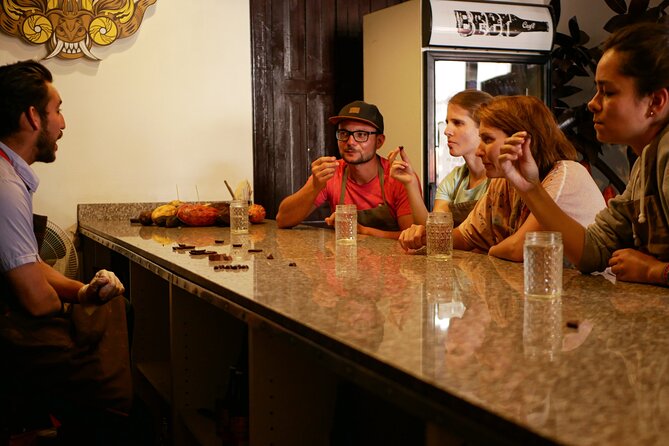
The blind tasting compares different chocolates, including commercial and artisan examples. This is where the class shifts from making chocolate to learning how to judge it.
You taste without relying on packaging or brand names, then consider the differences in flavor and cacao content. The exercise can help you notice sweetness, texture, and the character of the cacao itself. It also gives the instructor a chance to explain what separates a mass-produced bar from a bean-to-bar product.
Some of the most useful moments come from discovering that familiar chocolate is not always the same as high-cacao or artisan chocolate. The tasting is meant to be fun, and a little friendly competition may be part of the activity. Still, the lesson has a practical result: you leave better prepared to choose chocolate based on taste rather than a wrapper.
This is one reason the $35 price feels fair to me. You are paying for several connected activities, not just a small souvenir bar. The tasting, drink preparation, roasting, grinding, and final chocolate-making would be difficult to combine in a short café visit.
Making chocolates with quinoa, kiwicha, and coca
The final making session lets you create chocolates with Andean grains and local ingredients. Quinoa and kiwicha provide a clear link to the food culture of the Andes, while coca brings another local element to the table.
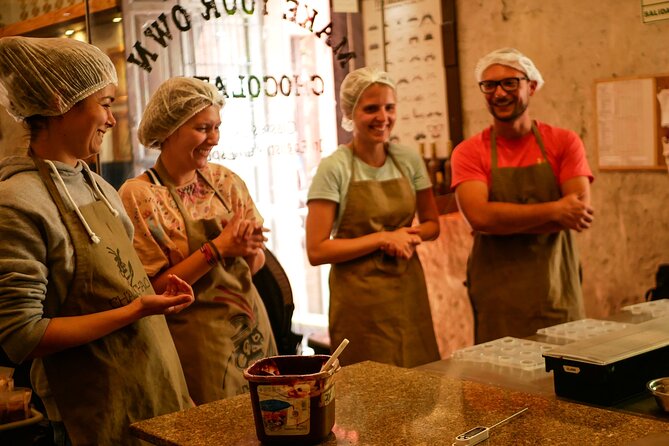
You prepare your own chocolates to take home. Depending on the class flow, these may include molded pieces or bonbon-style chocolates, and the emphasis is on participation rather than perfect professional presentation. That is good news if you are not an experienced cook. You get to make something personal without needing specialist skills.
This is usually the highlight for families and younger participants. Teenagers can take part in the creative choices, and solo visitors still receive individual attention because the experience is private. The take-home sweets also make the activity feel complete. You do not simply finish the class and walk away with a few tasting samples.
Keep in mind that handmade chocolate can be delicate. Treat the package carefully after class, especially if you are continuing around town in warm weather. The exact amount you take home is not specified, but the experience clearly includes chocolates made during the workshop.
The private format works well for different groups
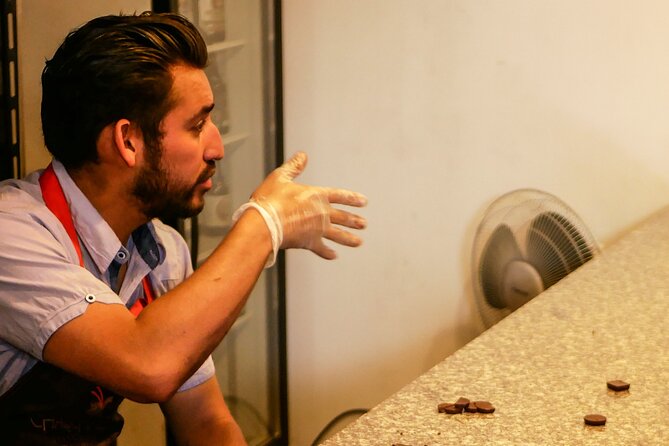
Only your group participates, so the session can be adjusted more easily than a large public class. A solo participant may receive a one-on-one lesson, while a couple or family can work together without strangers taking over the table.
That private setup is particularly useful for questions. You can ask the instructor to explain a technique again, spend more time on the tasting, or clarify the history behind cacao without worrying about holding up a large group.
Instructor quality is a major part of the experience. Andreas is described as energetic, funny, patient, and very clear in English. Joshua is also noted for being informative and patient. The strongest praise centers on the teaching style: the class feels lively rather than dry, and the humor helps carry the more technical parts.
Names and staffing may vary by date, so you should not assume a specific instructor is guaranteed. The consistent point is the importance of an engaging teacher. If your class happens to be one-on-one, the format can feel especially personal.
Who will get the most from the $35 price?
At $35 per person, this is not the cheapest way to eat chocolate in Arequipa. You could buy a bar or dessert for far less. The price makes sense if you value the lesson, the tastings, the guided preparation, and the chocolates you make yourself.
I see it as a good half-day activity rather than a snack stop. You receive an explanation of cacao’s history, a bean-to-bar overview, hands-on roasting and grinding, a traditional drink, a blind tasting, and a creative chocolate session. The private format adds value because the instructor’s attention is not split across a large crowd.
It is a strong choice for:
- Couples looking for a shared food activity
- Families with teenagers
- Solo visitors who enjoy practical classes
- Chocolate fans who want to understand cacao better
- Anyone seeking a break from churches, viewpoints, and walking tours
It may be less suitable if you dislike sweet foods, have little interest in food production, or want an activity that lasts under an hour. The workshop covers a lot, and the teaching is a central part of the experience.
Practical details before you book
Confirmation is provided at booking. The activity is listed for Monday through Sunday, with availability stated from October 25, 2019, through January 6, 2027. The meeting point is Santa Catalina 204, Cercado de Arequipa 04001, and the class finishes there.
Free cancellation is available if you cancel at least 24 hours before the start time. Changes or cancellations made inside that 24-hour window are not refunded. The experience may also be changed or refunded if poor weather affects the class or if the minimum number of participants is not met.
The weather condition is worth noting even though the workshop takes place in a café. Since it is part of the operating terms, keep your plans flexible until the activity is confirmed to proceed.
I would also keep your schedule loose on the day. The class is advertised as approximately two hours and 15 minutes, while the detailed description calls it a 2.5-hour class. That small difference is not a problem, but it is another reason not to book something immediately afterward.
Should you book the Chaqchao workshop?
I would book this if you want more than a chocolate tasting. The best parts are the traditional cacahuatil, the granite-mortar cacao paste, the blind comparison of chocolate types, and the chance to use Andean ingredients in your own sweets.
The $35 cost is reasonable for a private, activity-filled class with food to taste and chocolate to take home. Families, couples, and solo visitors all appear to fit the format well, and an instructor such as Andreas can make the lesson both useful and entertaining.
Send your preferred class time by WhatsApp or email as soon as you book. Choose 11 a.m. for a morning activity or 2:45 p.m. for a later break, then allow the full half-day window. If you like food with a story behind it, Chaqchao offers one of Arequipa’s more hands-on and memorable cultural activities.
FAQ
Where does the Chaqchao Chocolate Making Workshop take place?
It takes place at the Chaqchao café, Santa Catalina 204, Cercado de Arequipa 04001, Peru. The activity ends back at the same meeting point.
How long does the workshop last?
The experience lasts approximately two hours and 15 minutes. The detailed class description also refers to a 2.5-hour session, so allow about two and a half hours.
What class times are available?
Classes normally run at 11 a.m. or 2:45 p.m. After booking, send Chaqchao a message by email or WhatsApp to request your preferred time.
What does the workshop include?
It includes an explanation of cacao history and the bean-to-bar process, roasting cacao beans, grinding cacao with a granite stone mortar, preparing cacahuatil, tasting different chocolates, and making chocolates with Andean grains to take home.
Is this a private activity?
Yes. Only your group participates in the workshop.
Can I cancel for a refund?
You can cancel at least 24 hours before the experience start time for a full refund. Cancellations or changes made less than 24 hours before the start time are not accepted for a refund.
Added recently around Arequipa
- gazebos cannon of the coca★ 5.0 · 28 reviews
- Sillar Route★ 5.0 · 4 reviews
- Salinas Lagoon + Mini Volcano DE Lojen★ 5.0 · 9 reviews
- Full Day Tour To The Salt Lake Salinas in Arequipa★ 4.5 · 34 reviews
- 3-Day Colca Canyon trek with Professional Guide★ 5.0 · 40 reviews
- Trekking, Waterfalls and Thermal Baths★ 4.5 · 47 reviews
- Walking Tour Arequipa Including Santa Catalina Monastery★ 4.0 · 8 reviews
- Walking City tour including the Monastery of Santa Catalina★ 5.0 · 6 reviews
Workshops, compared.
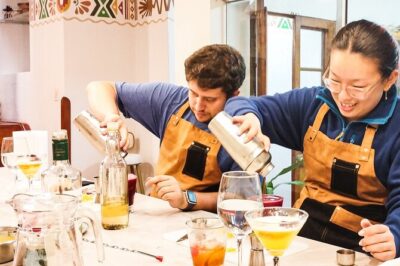
Peruvian Cooking Class Cocktails and Market Tour in Cusco
Read our review →

Peruvian Cooking Class, Local Market Tour & Exotic Fruit Tasting
Read our review →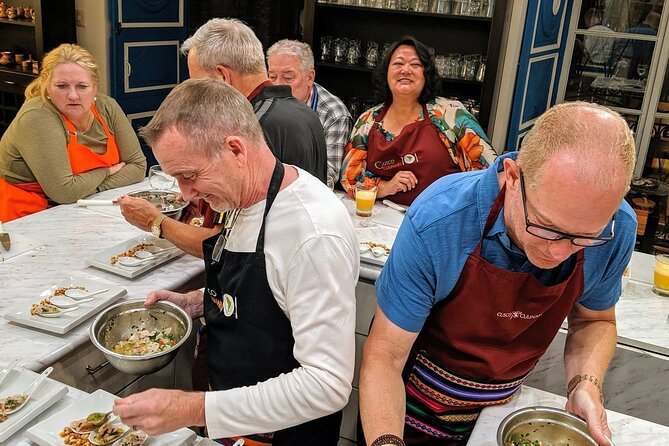
Cusco Cooking Classes and San Pedro Market Tour
Read our review →
Peruvian Cooking Class, Cocktails & Local Market Tour
Read our review →
Hands-on Peruvian Cooking Class & San Pedro Market Visit in Cusco
Read our review →
Bean to Bar Chocolate Workshop in ChocoMuseo Cusco
Read our review →
Local Market and Peruvian Cooking Class with Pisco Sour in Cusco
Read our review →Browse the lists this tour appears in