
Reviewed · INCA RUINS & ARCHAEOLOGICAL SITES
Cusco: Half-day city tour with Coricancha + 4 ruins
Cusco reveals its past in layers. This four-hour tour moves from the colonial Cathedral and Coricancha to four Inca sites outside the city, giving you a quick but useful introduction to the old Inca capital. I especially like the low $13 price and the way the route combines art, religion, engineering, and military history in one morning or afternoon. I also like that transport and a bilingual guide are included.
The catch is that the advertised price does not cover the archaeological site ticket or Coricancha admission. You should also pay close attention to the meeting point and confirmation details, since one booking record describes a serious no-show and unsuccessful attempts to reach the operator. The overall rating is 3.4 out of 5, so this is a strong-value outing when the logistics work, but not a tour I would book without checking the pickup information carefully.
In This Review
- Key Points Before You Book
- Why This Half-Day Route Works
- Starting at Cusco Cathedral
- Walking Fifteen Minutes to Coricancha
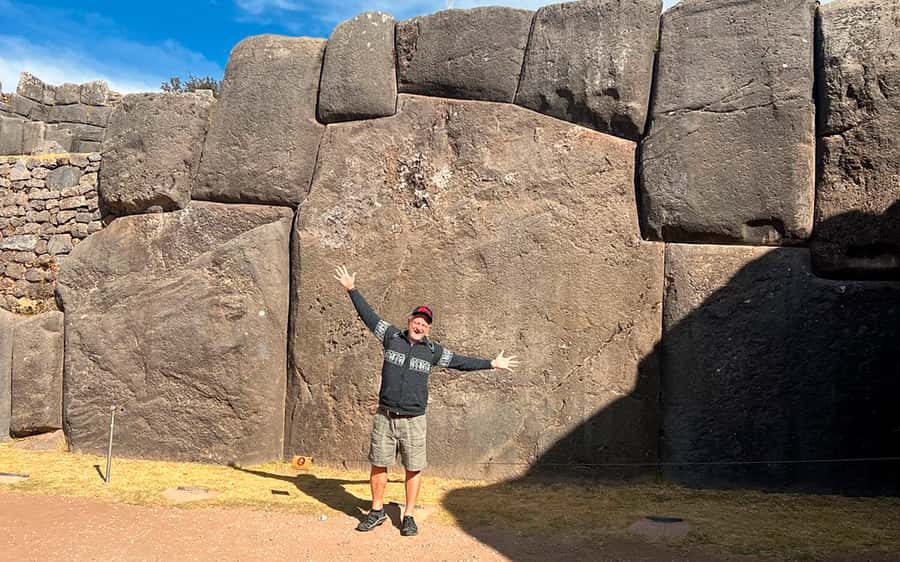
- Sacsayhuaman and the Stones Above Cusco
- Q’enqo and Its Carved Stone Channels
- Puka Pukara, the Red Fortress
- Tambomachay and Inca Water Knowledge
- Transport, Guide, and Timing
- What the $13 Price Really Buys
- Who Will Enjoy This Tour Most
- Should You Book the Cusco City Tour?
- FAQ
- How long does the Cusco city tour last?
- Where does the tour start and finish?
- What places are included in the route?
- Are entrance tickets included in the price?
- Is transportation included?
- What languages are available for the guide?
Key Points Before You Book
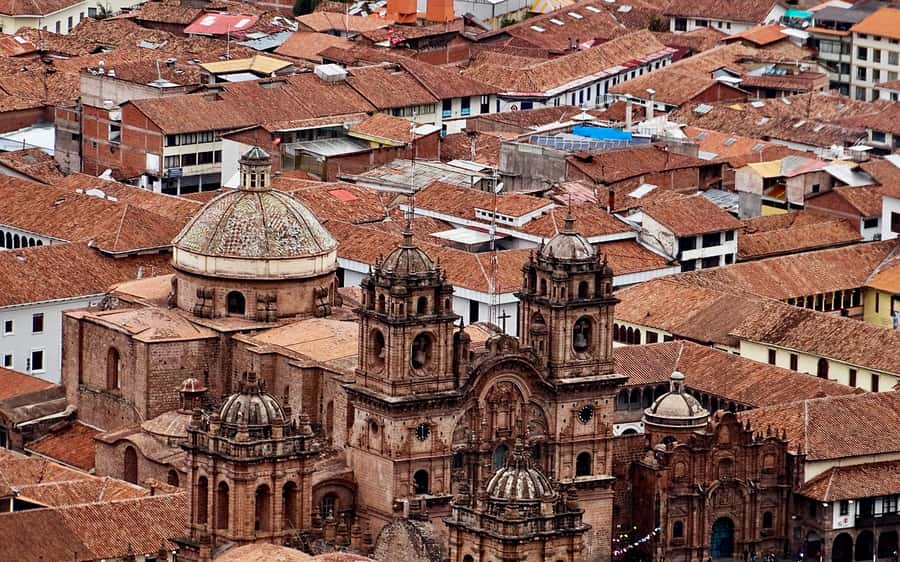
- Six important stops in four hours: You visit Cusco Cathedral, Coricancha, Sacsayhuaman, Q’enqo, Puka Pukara, and Tambomachay.
- The $13 price covers the basics: Tourist transport and a live guide in English or Spanish are included, but entrance tickets are extra.
- Coricancha connects two eras: You see Inca stonework beneath and beside Spanish colonial construction.
- Sacsayhuaman is the major showpiece: Huge fitted stones, some described as weighing up to 80 tons, make this the most dramatic stop.
- You finish with Inca water engineering: Tambomachay offers a calmer ending, with channels and fountains tied to purification rites.
- Meet in the exact center of Plaza Mayor: The meeting point is by the fountain, and you should arrive 10 minutes early.
Why This Half-Day Route Works
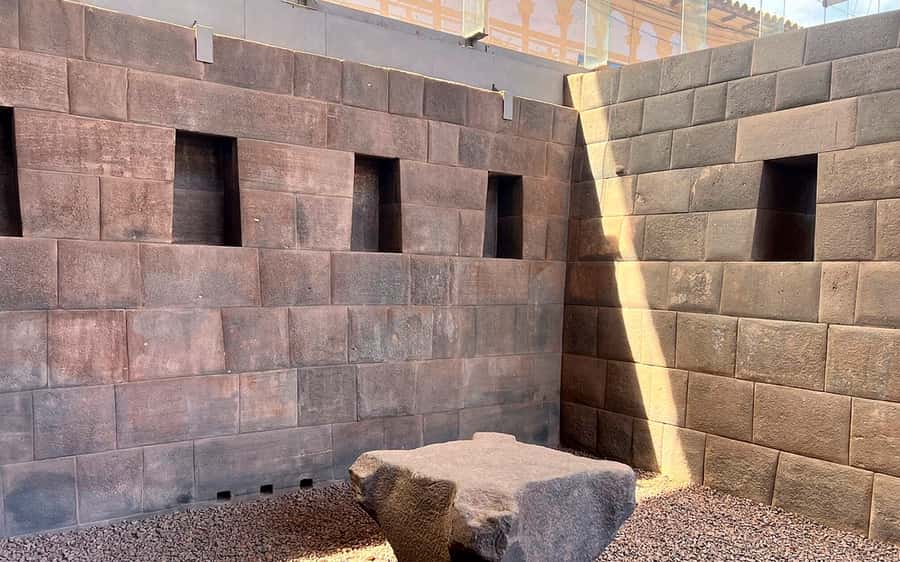
Cusco can feel confusing at first. Streets rise sharply, attractions are spread between the historic center and nearby hills, and the sites outside town are not all easy to connect on your own in a short period. This tour gives you a practical first look without taking an entire day away from museums, markets, or a later trip to Machu Picchu.
I like the order of the route. You begin in the main square, where Spanish colonial power is easy to see, then walk to Coricancha, the former Temple of the Sun. After that, a vehicle carries you to the four nearby archaeological sites. The pattern helps you understand Cusco as both a colonial city and the center of an older Andean state.
The tour lasts about four hours. That is enough time for a broad introduction, but not enough for long, slow exploration at every stop. Expect guided visits of roughly 15 to 30 minutes, plus transfers. If you want every stone explained or prefer to linger for photographs, you may find the pace brisk.
More City Tours in Cusco
- Cusco: Half-Day City Tour with Sacsayhuaman and Q’enco
★ 4.6 · 1,129 reviews - City Tour Cusco Qoricancha Sacsayhuaman y Tambomachay
★ 4.7 · 617 reviews - Cusco City Tour Four Ruins in Half-Day
★ 5.0 · 530 reviews
Starting at Cusco Cathedral
The tour begins at Plaza Mayor de Cusco, at the fountain in the middle of the main square. From there, you enter the Cathedral for a guided visit of about 20 minutes.
The Cathedral is a good first stop because it introduces the cultural blending that defines Cusco. Its baroque design, gold and silver details, and works associated with the Cusco School reflect Spanish colonial religion. At the same time, the art developed in a city shaped by Inca beliefs and local traditions.
Your guide should help you look beyond the decoration. The value here is not simply seeing a grand church. It is understanding how colonial institutions were placed directly into the former Inca capital, and how local artistic traditions continued within a European religious setting.
Twenty minutes is enough for an overview, but short for a close study of the collection. If religious art is a major interest, you may want to return later on your own, assuming opening hours and admission allow. On this tour, treat the Cathedral as a sharp introduction rather than a full museum visit.
Walking Fifteen Minutes to Coricancha
The group then walks for about 15 minutes to Coricancha. Comfortable shoes matter here, not only for this walk but also for uneven surfaces at the archaeological sites.
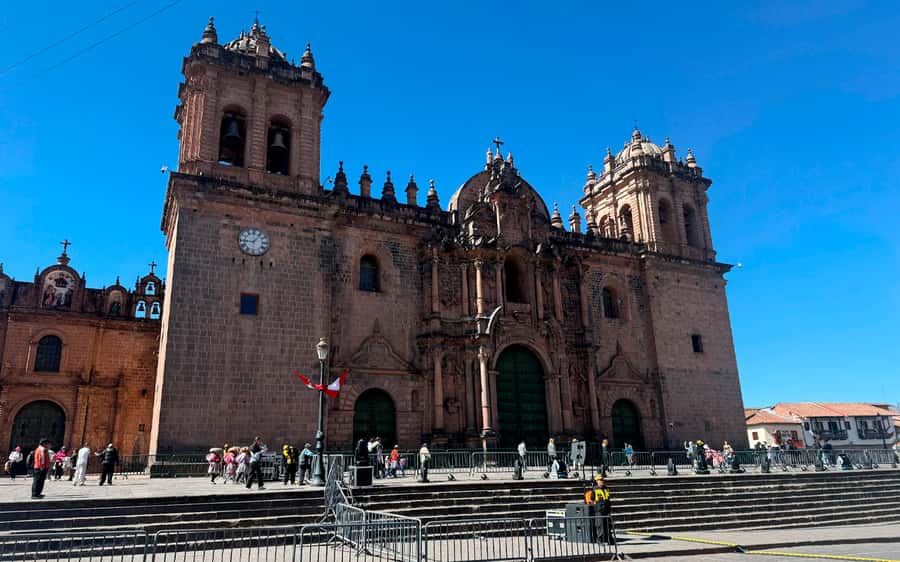
Coricancha was the sacred Temple of the Sun and the spiritual center of the Inca world. The visit lasts around 30 minutes, including photographs and a guided explanation. This is one of the most useful stops because the building itself shows the collision and combination of Inca and Spanish architecture.
Look for the precise stonework and the way Spanish construction occupies the same site. The contrast helps explain why Coricancha is more than another ruined temple. It is a place where two systems of belief and government were physically layered on top of each other.
The tour price does not include the Coricancha ticket. You can buy that ticket at the entrance on the day of the tour. This extra cost is important when judging the $13 deal. The advertised price gets you the guide and transport, but the complete outing costs more once admission is added.
Sacsayhuaman and the Stones Above Cusco
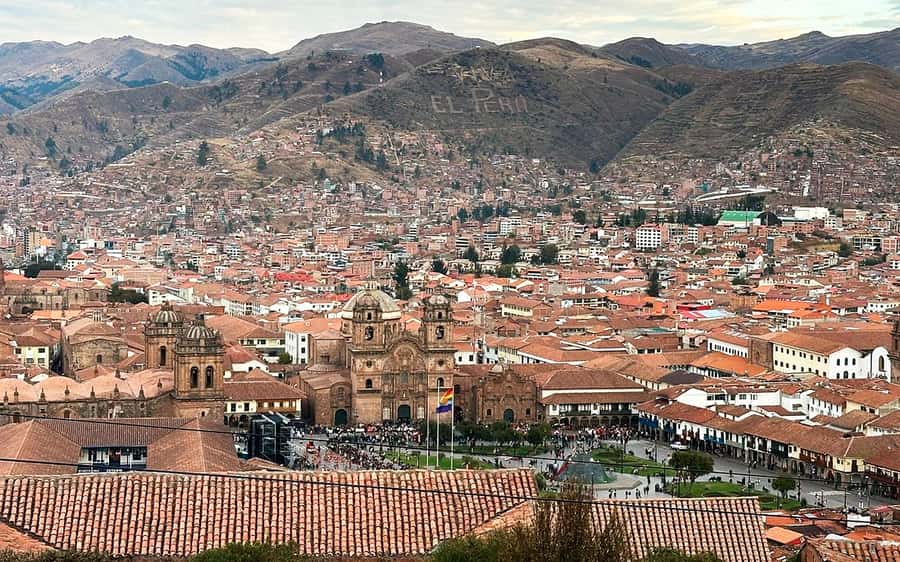
After Coricancha, you board tourist transport for a ride of about 20 minutes to Sacsayhuaman. This is the largest and most dramatic stop on the route, with about 30 minutes for a guided visit.
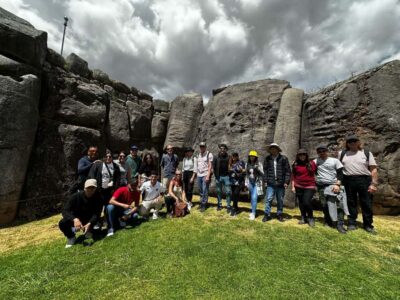
Sacsayhuaman is known for its enormous stones, fitted together without mortar. The largest stones are described as weighing up to 80 tons. Even with limited time, the scale is hard to miss. The walls make the site feel less like a simple ruin and more like a carefully planned ceremonial and defensive complex.
You also get panoramic views toward Cusco from here. Bring sunglasses and a hat, since the open setting can feel bright, and use sunscreen even when the air seems cool. Cusco’s high-altitude climate can change quickly, so a light jacket is sensible.
The main drawback is time. Thirty minutes allows your guide to explain the site and point out key construction details, but you will not have much freedom for an extended walk. If Sacsayhuaman is your main reason for booking, consider returning separately for a longer visit.
More Ruins & Archaeology Tours in Cusco
- Cusco: City Tour | Half-Day Tour to 4 Archaeological Sites
★ 4.6 · 206 reviews - Cusco City Sightseeing and Sacsayhuaman Archeological Park Tour
★ 4.5 · 101 reviews - Cusco: Historical Guided City Tour with 4 Inca Ruins
★ 4.5 · 99 reviews - Cusco 4-Hour Private Tour Including Sacsayhuaman and Qenqo
★ 5.0 · 77 reviews
Q’enqo and Its Carved Stone Channels
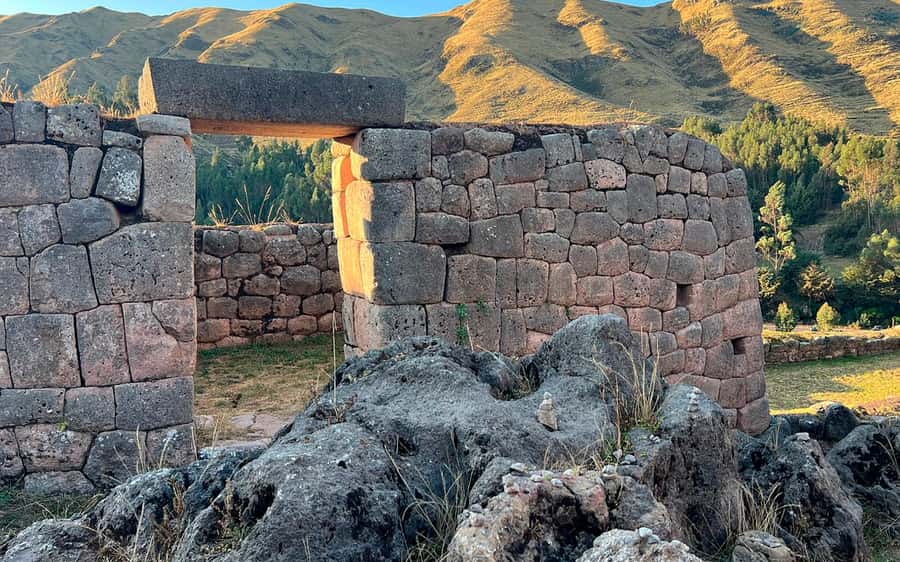
A short 10-minute ride brings you to Q’enqo Archaeological Complex. The guided stop lasts about 20 minutes.
Q’enqo functioned as a ceremonial center, linked with rites honoring Inca deities. The most distinctive features are the channels cut into the rock and the main altar. The site is also associated with mummification and sacred funerary rituals, giving it a different character from Sacsayhuaman’s massive walls.
This is where a good guide adds real value. The remains can be difficult to interpret without context. The carved channels and altar are not self-explanatory, so listen for how they relate to ceremony, death, and religious practice.
The visit is short, and the stone surfaces may be uneven. You should wear shoes with good support and avoid expecting a polished museum-style path. Q’enqo rewards attention to small details rather than sheer scale.
Puka Pukara, the Red Fortress
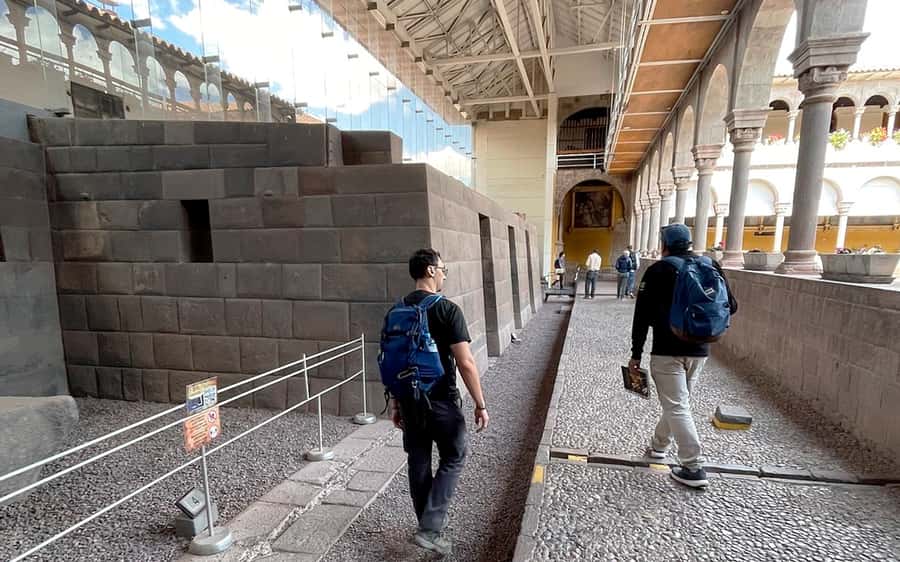
The next transfer takes about 10 minutes, followed by a 15-minute guided stop at Puka Pukara.
Puka Pukara is often called the Red Fortress because its stone can look reddish at sunset. The site served as a military post and control point on the approach to Cusco. That purpose makes it a useful counterpoint to Q’enqo, since the route shifts from sacred ceremony to practical defense.
Fifteen minutes is enough to grasp the basic role of the site and take in its position near the route into Cusco. It is not enough for a detailed study of every wall or level. I would think of Puka Pukara as a compact stop that adds military context to the day, not as the tour’s central attraction.
The changing weather matters here. The advice to bring layered clothing is sound. You may want sun protection at one moment and a light coat soon after, especially around the exposed archaeological areas.
Tambomachay and Inca Water Knowledge
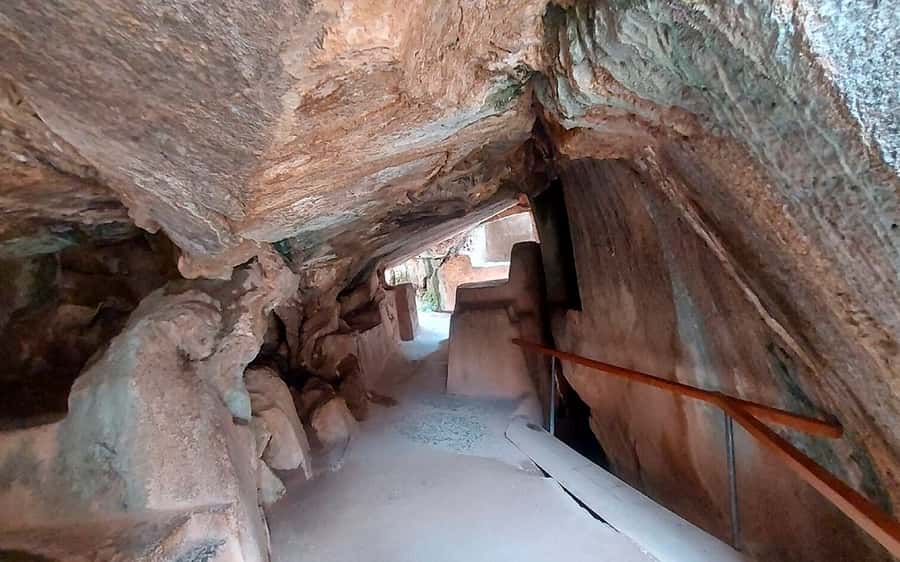
Tambomachay comes next, with a final guided visit of about 25 minutes. Known as the Inca Bath, it is associated with water, purification, and ceremonial use.
The fountains and channels show careful hydraulic planning. Unlike Sacsayhuaman, where size grabs your attention, Tambomachay asks you to notice flow, stone shaping, and the relationship between water and ritual. The setting is described as peaceful, which makes it a fitting final archaeological stop.
This is one of the more thoughtful parts of the route. The Inca world was not only about roads, fortresses, and temples. Water had practical and sacred value, and Tambomachay helps connect engineering with belief.
The visit is still brief, so you should not expect a long walk or extended time beside the water features. Afterward, the vehicle takes about 20 minutes to return you to Plaza Mayor.
Transport, Guide, and Timing
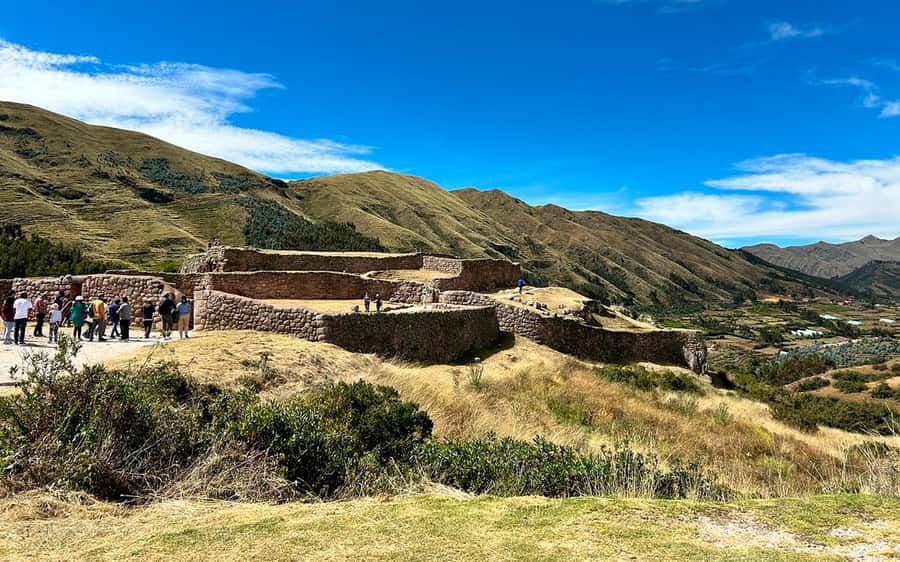
The tour includes tourist transportation between the center and the four outer sites. The Cathedral to Coricancha section is done on foot, with the remaining longer connections by vehicle. That arrangement saves time and avoids the need to arrange separate taxis between Sacsayhuaman, Q’enqo, Puka Pukara, and Tambomachay.
A bilingual guide in English or Spanish leads the tour. Live guiding matters on this route because several sites consist mainly of stone foundations, walls, channels, and ceremonial spaces. Without explanation, you could easily miss why each place mattered.
One guide named Emil received especially strong praise for being capable, prepared, and available. You cannot assume Emil will lead your departure, but the mention is a useful sign that the operator has provided a well-regarded guide on at least some tours.
The main practical concern is meeting coordination. The official meeting point is at the fountain in the middle of Plaza Mayor, at coordinates -13.5167681, -71.9787795. You should arrive 10 minutes before the assigned time and confirm the provider’s contact details before setting out. Pickup can be arranged for hotels near the center, but downtown pickup is the stated limit, and accommodation outside the area may require a different meeting point or an extra charge.
One booking record describes nobody arriving and no response to calls. That is not a minor inconvenience, especially when you have limited time in Cusco. I would take a screenshot of the meeting instructions, keep the operator’s phone number handy, and wait at the exact fountain rather than a nearby corner.
What the $13 Price Really Buys
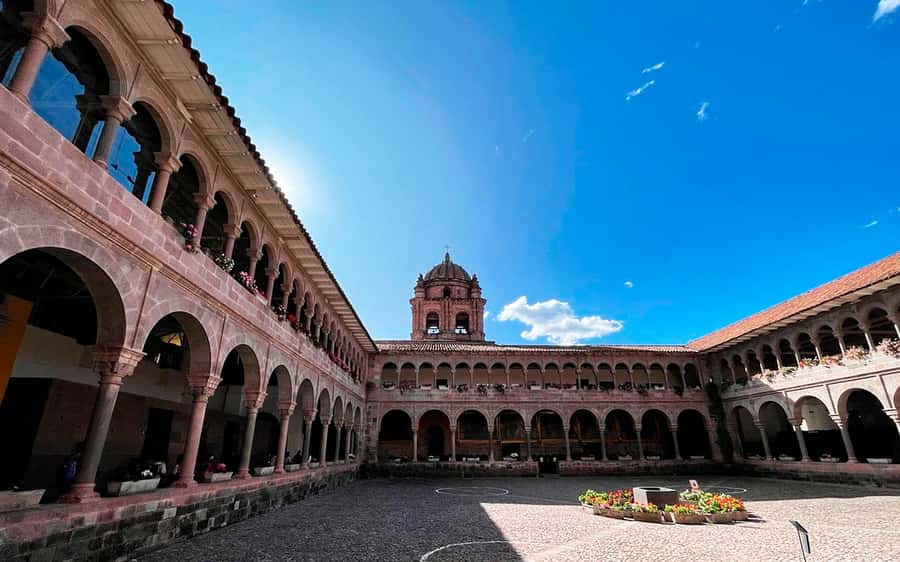
At $13 per person, the tour is inexpensive for four hours of transport and live guiding. If you want an efficient orientation to Cusco, the value is good. You are paying for the route, the vehicle, and the guide, not for a fully ticketed sightseeing package.
You must add the Cusco Tourist Ticket for the archaeological sites. The provided information does not state the ticket price, so check the current fee before booking. Coricancha admission is separate and can be purchased at the entrance on the same day.
There is no food component, but that is not a real weakness for a four-hour tour. Bring water and, if needed, a snack. Eating is not presented as part of the experience, and the schedule is too compact for a proper meal stop.
The booking terms are flexible: you can cancel up to 24 hours ahead for a full refund, and you can reserve now and pay later. Those terms help if your arrival plans may change, but they do not remove the need to verify the meeting arrangements.
Who Will Enjoy This Tour Most
I would recommend this outing to a first-time visitor who wants a quick introduction to the main sights around Cusco. It suits you especially well if you want someone else to handle the transport and explain the difference between a temple, ceremonial center, fortress, military post, and water shrine.
It also works for anyone with only one free half-day. The route gives you a broad overview before you decide which sites deserve a longer return visit.
You may want another option if you dislike group schedules, need substantial rest time, or prefer slow photography. The tour includes walking, uneven archaeological ground, stairs or changes in level may be present, and frequent vehicle transfers. It is not suitable for wheelchair users, people with heart problems, or anyone over 95 according to the activity restrictions.
Bring comfortable clothing, sturdy shoes, sunglasses, sunscreen, and a sun hat. A warm layer or light coat is equally important. Drones, alcohol, and drugs are not allowed.
Should You Book the Cusco City Tour?
Book it if you want a low-cost, tightly organized introduction to Cusco and understand that admission tickets cost extra. The combination of the Cathedral, Coricancha, Sacsayhuaman, Q’enqo, Puka Pukara, and Tambomachay gives you a useful overview of both colonial Cusco and the Inca world in a single half-day.
I would be cautious if reliable communication is your top concern. The mixed 3.4 rating and one reported no-show mean you should confirm the exact departure point and time before the day of the tour. If that detail is settled, the $13 base price is appealing, especially for the transport and the chance to hear the sites explained in English or Spanish.
FAQ
How long does the Cusco city tour last?
The tour lasts about four hours, including walking, guided visits, and transport between the city center and the four archaeological sites.
Where does the tour start and finish?
It starts and ends at Plaza Mayor de Cusco. The meeting point is at the fountain in the middle of the main square. You should arrive 10 minutes early.
What places are included in the route?
The route includes Cusco Cathedral, Coricancha, Sacsayhuaman, Q’enqo Archaeological Complex, Puka Pukara Archaeological Complex, and Tambomachay.
Are entrance tickets included in the price?
No. You need a Cusco Tourist Ticket for the archaeological sites, and the Coricancha ticket is also separate. Coricancha admission can be purchased at the site entrance on the day of the tour.
Is transportation included?
Yes. Tourist transportation is included for the transfers between the city center and the archaeological sites. The route from the Cathedral to Coricancha is walked and takes about 15 minutes.
What languages are available for the guide?
The live guide is available in English or Spanish. Some content may be presented in its original language.
More Ruins and Archaeology near Cusco
- Cusco: Half-Day City Tour with Sacsayhuaman and Qenqo
★ 4.5 · 77 reviews - Sacsayhuaman Temple, Tambomachay and Puca Pucara Half-Day Tour
★ 4.5 · 59 reviews - Private Cusco City Tour with Sacsayhuaman & Inca Sites
★ 5.0 · 52 reviews - Private Ollantaytambo, Pisac Ruins Tour with Farm Visit, Gourmet Picnic Lunch
★ 5.0 · 52 reviews
Added recently around Cusco
- Guided tour of the mountain of colors in Cusco★ 5.0 · 11 reviews
- 2-Day Private Short Inca Trail to Machu Picchu★ 5.0 · 15 reviews
- City Tour Cusco – Group★ 5.0 · 4 reviews
- Tour Sacred Valley with Maras and Moray★ 5.0 · 15 reviews
- San Pedro Market Tour with Peruvian Cooking Class★ 5.0 · 31 reviews
- Walking Culinary Experience★ 5.0 · 41 reviews
- City Tour in Cusco★ 4.5 · 10 reviews
- One Day Tour to Humantay Lagoon★ 5.0 · 8 reviews
Inca Ruins & Archaeological Sites, compared.
Half-Day City Tour with Sacsayhuaman and Q’enco
Read our review →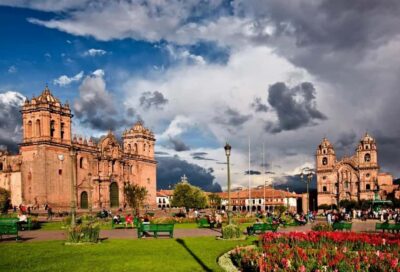
City Tour Cusco Qoricancha Sacsayhuaman y Tambomachay
Read our review →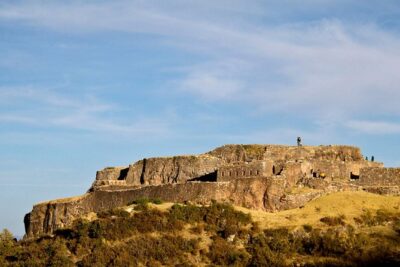
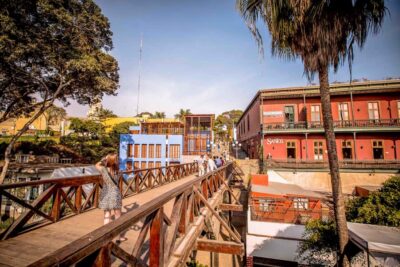
Pachacamac Ruins & Barranco Half-Day Guided Tour
Read our review →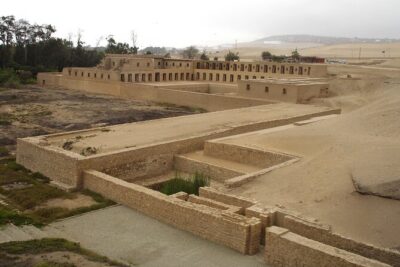
Pre Inca Temple of Pachacamac Half-Day Tour from Lima
Read our review →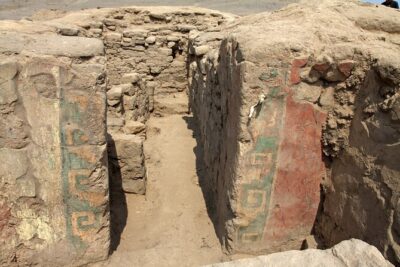
Tour to the Archaeological Sanctuary of Pachacamac (small group)
Read our review →
From Pyramids & Bohemian Streets: Lima Miraflores & Barranco Tour
Read our review →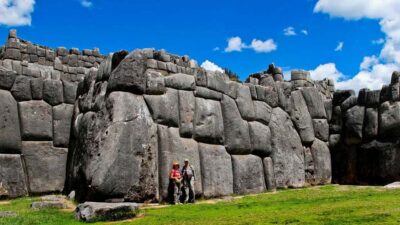
City Tour | Half-Day Tour to 4 Archaeological Sites
Read our review →Browse the lists this tour appears in