
Reviewed · INCA RUINS & ARCHAEOLOGICAL SITES
From Cusco: City tour 4 ruins + Qoricancha
Cusco’s greatest sights fit into one busy morning. This five-hour city tour pairs the Spanish-era Qoricancha with four Inca sites, giving you a quick but useful introduction to Cusco’s past. I like the $11 price and the chance to see Sacsayhuamán, Qenqo, Puca Pucara, and Tambomachay without arranging separate transport. I also like the bilingual guides, including highly praised guides such as Werner and Angélica.
The main drawback is time. Unplanned stops at clothing shops or an extra museum have caused some tours to rush the final ruins. I would book this for a first day in Cusco, but I would also confirm the route and ask the guide to protect your sightseeing time.
In This Review
- Key points to know before booking
- Why this half-day tour works well in Cusco
- Starting at Qoricancha, Cusco’s Temple of the Sun
- Sacsayhuamán and the largest stones of the morning
- Qenqo, a ceremonial site carved into rock
- Puca Pucara and the old defensive route
- Tambomachay and the Inca worship of water
- Morning or afternoon: choosing the better departure
- Transport, guides, and the risk of lost time
- What to bring for a high-altitude sightseeing day
- Who will get the most from this $11 tour
- Should you book the Cusco City Tour?
- FAQ
- How long does the Cusco city tour last?
- Where does the tour begin?
- What sites are included?
- Are entrance tickets included in the price?
- Is the tour available in English?
- What should I bring?
- Can I cancel the booking?
- Is the tour suitable for people with vertigo?
Key points to know before booking
- Qoricancha begins the cultural story: The Temple of the Sun shows how Inca and Spanish traditions overlap in central Cusco.
- Sacsayhuamán is the major stop: Its huge, tightly fitted stone walls are the visual highlight of the tour.
- Four ruins fit into five hours: Qenqo, Puca Pucara, and Tambomachay add religious, military, and water-related sites.
- The $11 price excludes entry tickets: You need the required tourist ticket separately, so calculate the full cost before booking.
- Two departure windows are offered: Meet in Plaza de Armas around 8:40 to 9:00 a.m. or 12:40 to 1:00 p.m.
- Shopping stops can affect the pace: Confirm that the tour will not spend too much of your limited time in stores.
Why this half-day tour works well in Cusco
Cusco can feel like a history lesson delivered at high altitude. You walk past Inca walls, Spanish churches, modern shops, and busy streets, often within the same block. This tour gives that jumble a clear shape by connecting the central temple of Qoricancha with the four major archaeological sites above the city.
I see the tour as an orientation rather than a complete study of Inca civilization. Five hours is enough to learn what each place was used for and to see the main stones, terraces, fountains, and walls. It is not enough for long, relaxed exploration at every stop.
That trade-off explains the rating of 4.3 from 22 submitted ratings. The guides received strong praise, especially Werner and Angélica, while transport delays and shopping stops caused frustration. You can have a very good introduction here, but the quality depends on keeping the schedule under control.
The tour costs $11 per person, which is unusually low for transport and a bilingual guide. The important catch is that entrances are not included. You need to buy the appropriate tourist ticket, and one Brazilian guest specifically noted that a full ticket can make sense if you also plan to visit the Sacred Valley or other archaeological parks. Students may qualify for a lower price, but ask at the ticket counter because that discount was not clearly explained to one participant.
More City Tours in Cusco
- Cusco: Half-Day City Tour with Sacsayhuaman and Q’enco
★ 4.6 · 1,129 reviews - City Tour Cusco Qoricancha Sacsayhuaman y Tambomachay
★ 4.7 · 617 reviews - Cusco City Tour Four Ruins in Half-Day
★ 5.0 · 530 reviews
Starting at Qoricancha, Cusco’s Temple of the Sun
The tour begins with a walk of about three blocks from Plaza de Armas to Qoricancha. This is a good opening because the temple puts Cusco’s cultural mixture right in front of you.
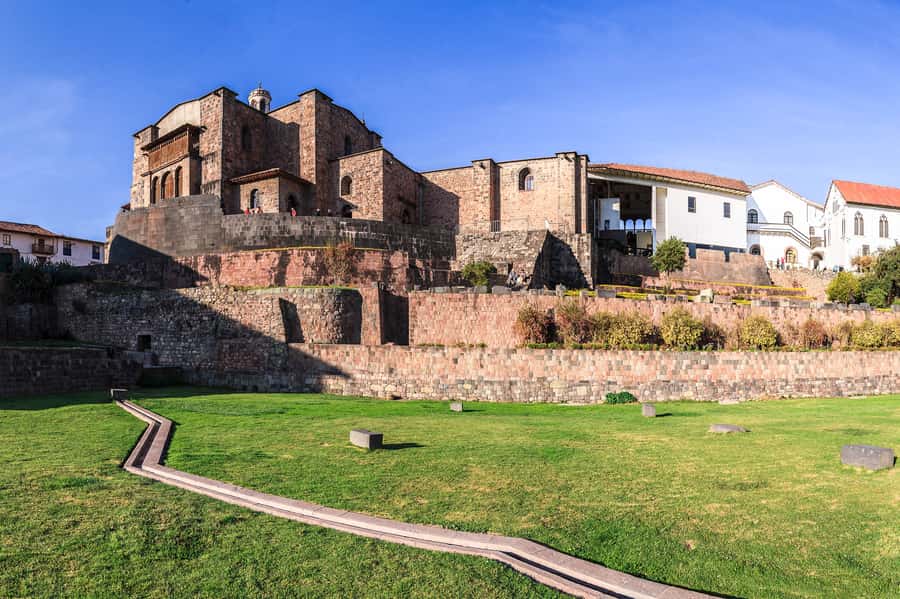
Qoricancha was an important Inca religious complex dedicated to the sun. The Spanish later built the Church of Santo Domingo over the site, creating one of the clearest places in Cusco to see two eras occupying the same space. Your guide explains this relationship during the first guided visit.
I like starting here instead of rushing straight to the outer ruins. You first get a sense of how the Inca built, worshipped, and organized sacred space in the city itself. Then the later sites make more sense.
The stop is also practical for first-time visitors. After seeing Qoricancha, you have a reference point for the Inca stonework you will notice all around Cusco. Pay attention to the contrast between the carefully fitted lower masonry and the Spanish structures above it.
The visit is not only about architecture. The tour’s central theme is the meeting of Inca and Spanish culture, and Qoricancha presents that idea in a very direct way. If you enjoy churches, archaeology, and cultural history, this is likely one of the most rewarding parts of the morning.
Sacsayhuamán and the largest stones of the morning
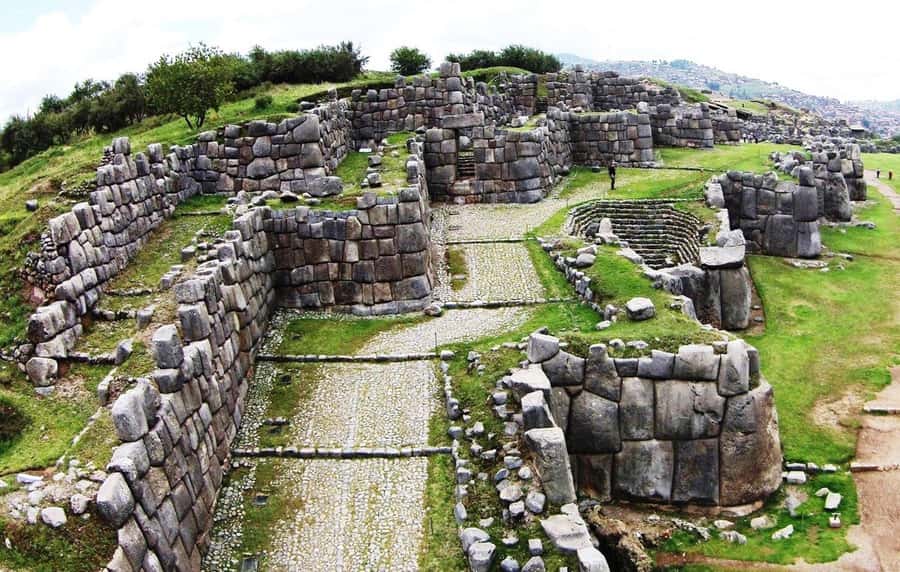
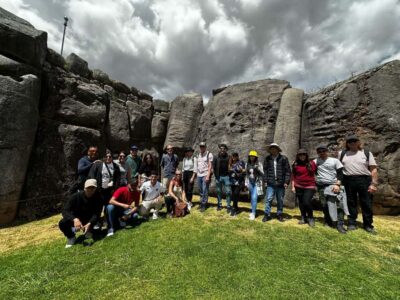
After Qoricancha, transport takes you to Sacsayhuamán, the most impressive archaeological stop on the route. The site is known for its enormous stone walls, with blocks fitted together so tightly that the construction remains a source of fascination.
Your guide presents Sacsayhuamán as an example of Inca military architecture. The broad terraces and defensive walls help you understand why this was more than a ceremonial place. From here, you also get the kind of wide view that is difficult to find in the narrow center of Cusco.
I would give this stop priority if the schedule becomes compressed. One rating specifically found Qoricancha and Sacsayhuamán the most worthwhile places on the tour, largely because the guide’s explanations added meaning to what you were seeing. That is useful advice: these two sites carry the main historical weight.
Wear shoes with a firm sole. The route includes archaeological ground, steps, and uneven surfaces, and the altitude makes even moderate walking feel harder than expected. Bring water for drinking outside the vehicle, but note that drinks are not permitted inside the transport.
Sacsayhuamán can also be a challenging place for anyone uncomfortable with heights or steep edges. The activity is not suitable for people with vertigo, so take that warning seriously rather than treating it as routine fine print.
Qenqo, a ceremonial site carved into rock
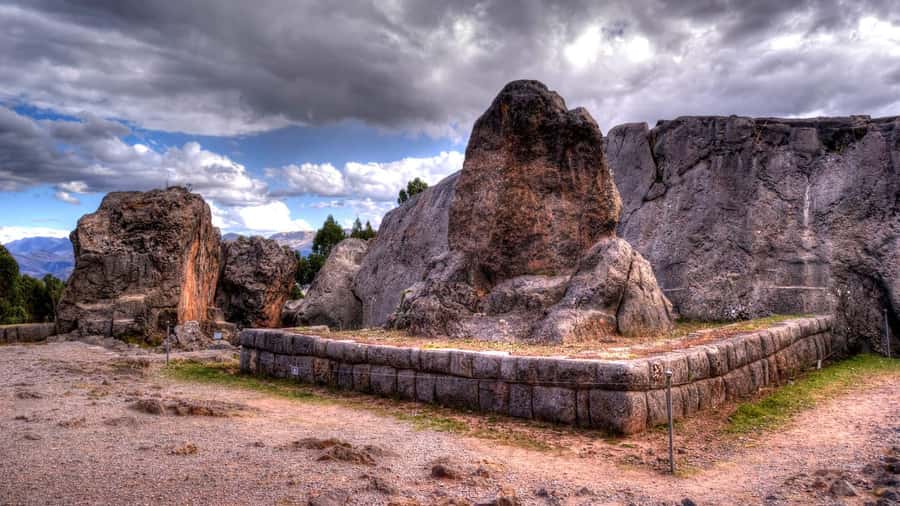
Qenqo is a different experience from Sacsayhuamán. Instead of huge defensive walls, you see a ceremonial center built around a natural rock formation. The site is associated with religious rituals and offers a more enclosed, symbolic setting.
This stop can be easy to underestimate if you only look at photographs. The meaning comes from the guide’s explanation of the carved stone, passages, and ceremonial use. A strong guide helps you notice details that would otherwise look like ordinary weathered rock.
The length of the visit may vary with the day’s traffic and the operator’s schedule. If the tour has already lost time, Qenqo may receive less attention than Sacsayhuamán. I would listen carefully here and ask a short question if you want the ritual purpose explained more clearly.
The sequence is sensible: Qoricancha introduces sacred space in the city, Sacsayhuamán shows military power, and Qenqo returns to religious practice. You get several different parts of Inca life instead of four sites that all look alike.
More Ruins & Archaeology Tours in Cusco
- Cusco: City Tour | Half-Day Tour to 4 Archaeological Sites
★ 4.6 · 206 reviews - Cusco City Sightseeing and Sacsayhuaman Archeological Park Tour
★ 4.5 · 101 reviews - Cusco: Historical Guided City Tour with 4 Inca Ruins
★ 4.5 · 99 reviews - Cusco 4-Hour Private Tour Including Sacsayhuaman and Qenqo
★ 5.0 · 77 reviews
Puca Pucara and the old defensive route
Puca Pucara was a military fortress within Cusco’s defensive system. Its walls, terraces, and stairways sit in a setting that helped protect routes leading toward the imperial center.
Compared with Sacsayhuamán, Puca Pucara is smaller and less visually dramatic. I would not book the tour expecting four equal monuments. The value here is the connection between sites: the Inca built a network of places for defense, movement, and control, not isolated ruins scattered at random.
The stop usually works best when your guide explains its role in relation to the other sites. Without that context, you may spend only a short time looking at walls and terraces. With context, the site becomes part of a larger picture of how Cusco was protected.
This is also one of the places where time management matters. A delayed bus or a lengthy commercial stop earlier in the day can leave you with a quick visit. The final two sites have reportedly been rushed when the schedule slips, so I would keep an eye on the clock and ask whether enough time remains for both Puca Pucara and Tambomachay.
Tambomachay and the Inca worship of water
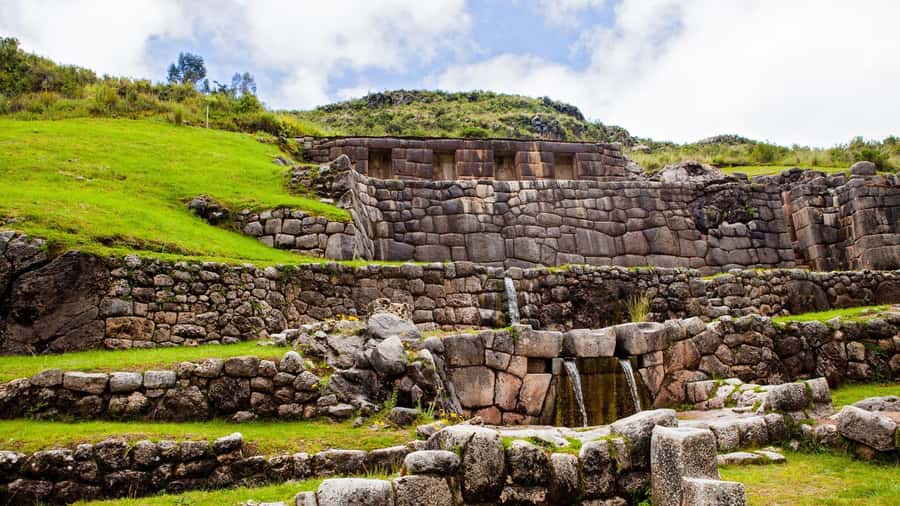
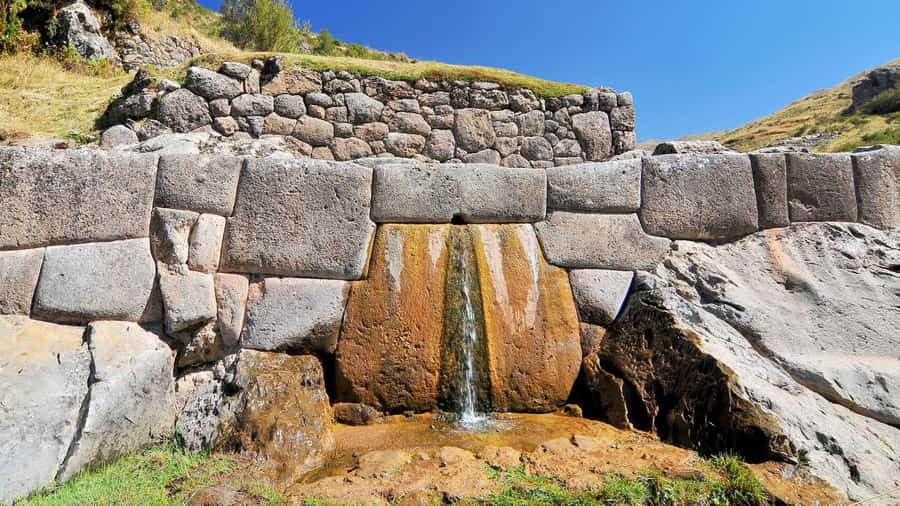
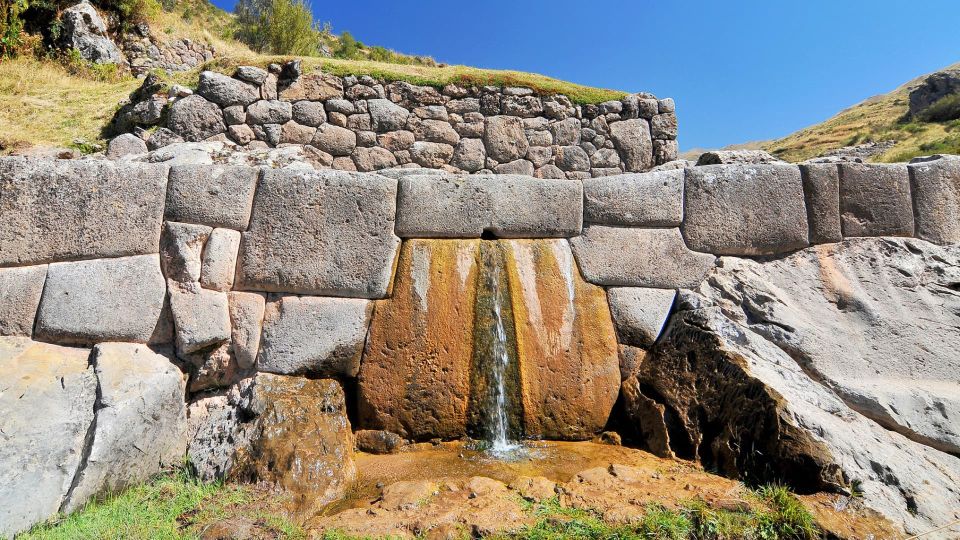
Tambomachay closes the archaeological portion of the tour. The site is linked to water worship and purification, with canals and fountains forming its main features.
It is a quieter counterpoint to Sacsayhuamán. You are not looking at massive military construction here. Instead, the focus is on how water was directed, displayed, and given religious importance.
The fountains and channels make this stop easy to understand even if you are new to Inca archaeology. Your guide can explain the practical and ceremonial sides of the water system, which helps tie the final site back to Qoricancha’s religious role.
Tambomachay also brings the tour full circle. You have seen sacred architecture in the city, a military center, a ceremonial rock site, and defensive structures. The final stop shows another way the Inca connected engineering with belief.
If you want detailed time at every site, this is the stop most at risk when earlier delays occur. That does not make it unimportant, but it does mean you should ask at the start how long the group plans to spend at each place.
Morning or afternoon: choosing the better departure
The morning meeting window is approximately 8:40 to 9:00 a.m., with a return around 2:30 p.m. The afternoon option begins around 12:40 to 1:00 p.m. and ends around 6:30 p.m. Both last about five hours.
I prefer the morning for a first visit. It leaves the rest of your day open, and one participant recommended doing this tour on the first day in Cusco as a gentle way to get oriented and begin acclimatizing. You can learn the city’s basic layout before tackling a longer excursion.
The afternoon may suit you if you arrive late, need a slower morning, or want to spend time around Plaza de Armas first. Keep in mind that Sunday opening times can differ, so confirm the schedule before choosing that day.
The advertised meeting point is Plaza de Armas, but pickup information also says the guide may write or call about 15 minutes before pickup and asks you to wait about 10 minutes in your hotel lobby. Clarify the exact meeting place after booking. Some confusion in the plaza has caused people to search for the correct group, although a guide named Sam resolved one such problem.
Transport, guides, and the risk of lost time
Transport is included, which is the main reason this tour offers good value. The four outer ruins are not a practical walking circuit for most visitors, and having a vehicle saves energy at altitude.
The weak point is reliability. One account described the bus arriving much too late, while another reported confusion about names and the group list. These are not reasons to reject the tour outright, but they are reasons to arrive early and keep your schedule flexible.
Guide quality appears to be the strongest part of the experience. Werner was described as attentive, and Angélica received especially warm praise for her explanations. Another guide, Sam, handled a meeting problem well. Since the experience is bilingual in Spanish and English, ask at the start which language will be used for the main explanations.
I would also ask directly about stops that are not part of the advertised route. Some participants were taken to a museum and a clothing sales hall. A short commercial stop may not bother you, but spending more than 30 minutes in a store can reduce the time available at the final ruins.
This is especially important because one clothing stop was criticized for focusing on high-priced sales rather than showing how local clothing is made. If you want an authentic textile demonstration, do not assume this tour provides one. Ask before departure.
What to bring for a high-altitude sightseeing day
Cusco’s altitude makes basic preparation matter. The operator recommends coca tea before the tour to help with altitude sickness, along with suitable clothing, comfortable shoes, a hat, sunscreen, sunglasses, and a camera.
Bring your passport or identity card. You may need identification during the visit or for ticket matters, and it is listed among the required items.
Use sunscreen even on a cool day. The route combines open archaeological sites with strong sun, and the recommended hat and sunglasses are practical rather than decorative.
Pack light. Pets, alcohol, drugs, littering, and drinks inside the vehicle are not allowed. You should also avoid relying on the bus as a place to eat, since meals are not included and drinks are prohibited in the vehicle.
Who will get the most from this $11 tour
I would recommend this experience to you if you want a low-cost introduction to Cusco’s main nearby ruins, prefer a guide to explain the sites, and do not want to arrange transport yourself. It is particularly useful on your first day, when you want a broad overview rather than a slow specialist visit.
It also suits visitors who plan to continue to the Sacred Valley or other archaeological parks. In that case, ask about the full tourist ticket before buying separate admissions. One participant found the complete ticket better value for a wider sightseeing plan, with a student price also available in that case.
I would hesitate if you want long visits, quiet exploration, or a strict no-shopping schedule. The route covers a lot, and the operator may make extra stops. You should also skip it if you have vertigo or if uneven ground and altitude are major concerns.
The free cancellation policy allows cancellation up to 24 hours before the start for a full refund, and the reserve-now, pay-later option keeps your plans flexible. Those terms help reduce the risk of booking early, but they do not solve the practical issue of confirming the exact meeting point and route.
Should you book the Cusco City Tour?
Book it if you value coverage, transport, and a bilingual guide more than a leisurely pace. For $11, the combination of Qoricancha, Sacsayhuamán, Qenqo, Puca Pucara, and Tambomachay is a strong introduction, provided you add the cost of the required entrance ticket.
My best advice is to take it early in your Cusco stay, choose the morning departure if possible, arrive ahead of the meeting window, and ask the guide to confirm that the four ruins will receive their full time. If the group avoids long commercial stops, you should come away with a useful map of Cusco’s Inca and Spanish past.
FAQ
How long does the Cusco city tour last?
The tour lasts approximately five hours. The morning shift usually runs from about 8:40 or 9:00 a.m. until 2:30 p.m., while the afternoon shift runs from about 12:40 or 1:00 p.m. until 6:30 p.m.
Where does the tour begin?
The meeting point is in Cusco’s Plaza de Armas. The group then walks about three blocks to Qoricancha.
What sites are included?
The route includes Qoricancha, Sacsayhuamán, Qenqo, Puca Pucara, and Tambomachay.
Are entrance tickets included in the price?
No. The $11 price includes tourist transport and a bilingual guide, but archaeological site entrances and Qoricancha admission are not included.
Is the tour available in English?
Yes. Live guiding is offered in English and Spanish.
What should I bring?
Bring your passport or identity card, comfortable shoes, sunglasses, a camera, sunscreen, and suitable clothing. A hat is also recommended.
Can I cancel the booking?
You can cancel up to 24 hours in advance for a full refund. The reserve-now, pay-later option means you do not need to pay at the time of booking.
Is the tour suitable for people with vertigo?
No. The activity is listed as unsuitable for people with vertigo.
More Ruins and Archaeology near Cusco
- Cusco: Half-Day City Tour with Sacsayhuaman and Qenqo
★ 4.5 · 77 reviews - Sacsayhuaman Temple, Tambomachay and Puca Pucara Half-Day Tour
★ 4.5 · 59 reviews - Private Cusco City Tour with Sacsayhuaman & Inca Sites
★ 5.0 · 52 reviews - Private Ollantaytambo, Pisac Ruins Tour with Farm Visit, Gourmet Picnic Lunch
★ 5.0 · 52 reviews
Added recently around Cusco
- Guided tour of the mountain of colors in Cusco★ 5.0 · 11 reviews
- 2-Day Private Short Inca Trail to Machu Picchu★ 5.0 · 15 reviews
- City Tour Cusco – Group★ 5.0 · 4 reviews
- Tour Sacred Valley with Maras and Moray★ 5.0 · 15 reviews
- San Pedro Market Tour with Peruvian Cooking Class★ 5.0 · 31 reviews
- Walking Culinary Experience★ 5.0 · 41 reviews
- City Tour in Cusco★ 4.5 · 10 reviews
- One Day Tour to Humantay Lagoon★ 5.0 · 8 reviews
Inca Ruins & Archaeological Sites, compared.
Half-Day City Tour with Sacsayhuaman and Q’enco
Read our review →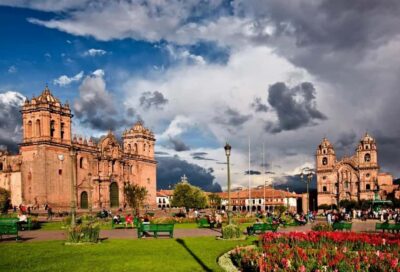
City Tour Cusco Qoricancha Sacsayhuaman y Tambomachay
Read our review →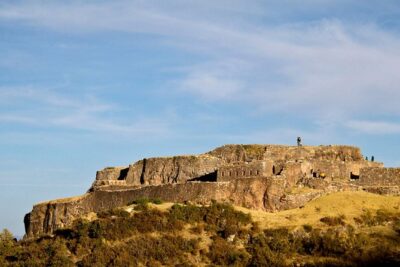
Pachacamac Ruins & Barranco Half-Day Guided Tour
Read our review →
Pre Inca Temple of Pachacamac Half-Day Tour from Lima
Read our review →
Tour to the Archaeological Sanctuary of Pachacamac (small group)
Read our review →
From Pyramids & Bohemian Streets: Lima Miraflores & Barranco Tour
Read our review →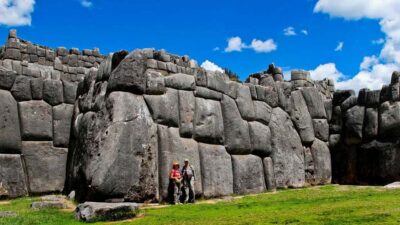
City Tour | Half-Day Tour to 4 Archaeological Sites
Read our review →Browse the lists this tour appears in