
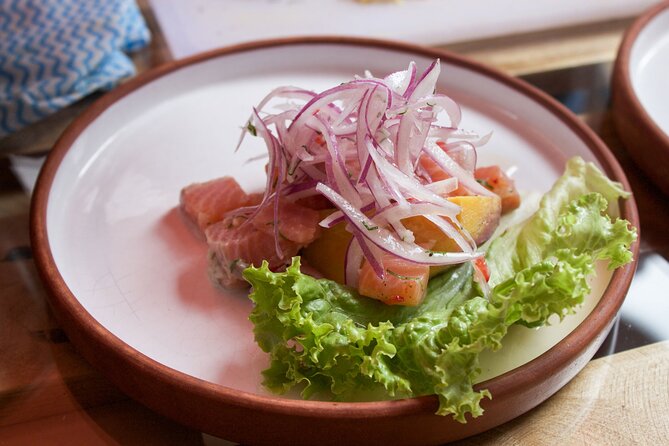
Reviewed · SACRED VALLEY TOURS
Market Tour and Gourmet Peruvian Cooking Lesson with a Professional in Urubamba
Fresh food tells the story. This Urubamba experience pairs a local market visit with a private Peruvian cooking lesson, so you see the ingredients before you cook them. I especially like the chance to taste regional fruits and herbs, then sit down to a homecooked meal prepared with Anilu and Diego. The main drawback is the price: at $140 per person, it costs more than a standard group cooking class.
The short rickshaw ride, outdoor kitchen, and family setting give the afternoon a personal feel. I also like that you can choose hands-on cooking or watch a demonstration, and that recipes such as ceviche and lomo saltado can travel home with you. Menu choices depend on the season, so you should share allergies, dietary needs, and cooking preferences when booking.
In This Review
- Key points at a glance
- Why this Urubamba food experience feels different
- Starting at the Urubamba market
- From the market to the outdoor kitchen
- What you actually learn while cooking
- The meal at Pakakuna
- The hosts make the difference
- Is $140 per person good value?
- Timing, meeting point, and practical planning
- Who should book this experience?
- Should you book the Urubamba cooking lesson?
- FAQ
- Where does the experience take place?
- How long does the experience last?
- Is this a private activity?
- Is hotel pickup included?
- What dishes might I learn to make?
- Can I request vegetarian food?
- Can I take part in the cooking?
- Is the experience offered in English?
- What is included in the price?
Key points at a glance
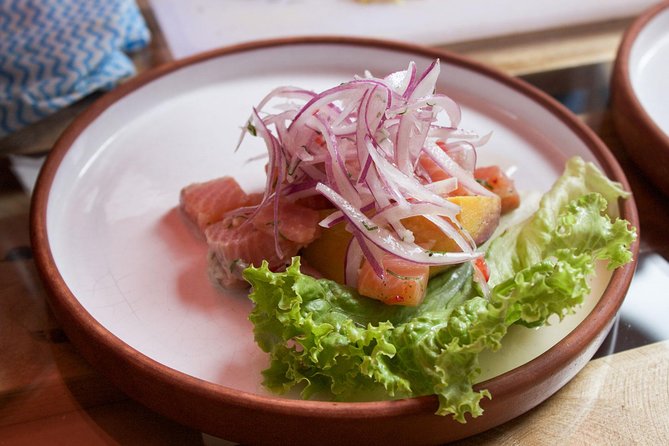
- A real Urubamba market visit: See local produce, herbs, poultry, guinea pigs, ducks, sheep, and alpacas before cooking.
- An intimate lesson with Anilu and Diego: This is a private visit to a local home, not a large commercial class.
- Classic dishes with practical skills: Learn techniques for ceviche, lomo saltado, tacu tacu, papa la huancaína, arroz chaufa, and other dishes.
- A meal included: You prepare and eat a hearty Peruvian lunch or dinner, with market finds sometimes served as appetizers.
- Vegetarian cooking is possible: Ask in advance for a vegetarian menu or other food adjustments.
- Useful Sacred Valley logistics: The experience lasts about four hours, begins and ends in Urubamba, and does not include hotel transportation.
Why this Urubamba food experience feels different
Many cooking classes begin in a polished kitchen with ingredients already lined up. This one starts earlier, at the market. That small change matters. You see where the food comes from, learn which products are common in the Sacred Valley, and get a better sense of daily life in Urubamba.
Anilu welcomes you at Pakakuna and explains the plan before taking you to the local market in a rickshaw. The vehicle is part of the fun, but it also keeps the outing compact. You are not spending the whole afternoon walking between separate locations.
This is a private, personalized activity. Only your group participates, which is useful if you want to ask questions, work at your own pace, or avoid the noise and fixed rhythm of a large class. Anilu speaks English, making the market explanations and cooking instructions easier to follow.
The setting is also more personal than a commercial kitchen. You visit a Urubamba home and cook with people who use these ingredients in their own food. That gives the meal a friendly, local character, though you should not expect a formal culinary school or a highly staged performance.
More Cooking Classes in Cusco
- Peruvian Cooking Class Cocktails and Market Tour in Cusco
★ 5.0 · 1,712 reviews - Cusco Cooking Classes and San Pedro Market Tour
★ 5.0 · 691 reviews - Cusco: Peruvian Cooking Class, Cocktails & Local Market Tour
★ 4.9 · 512 reviews
Starting at the Urubamba market
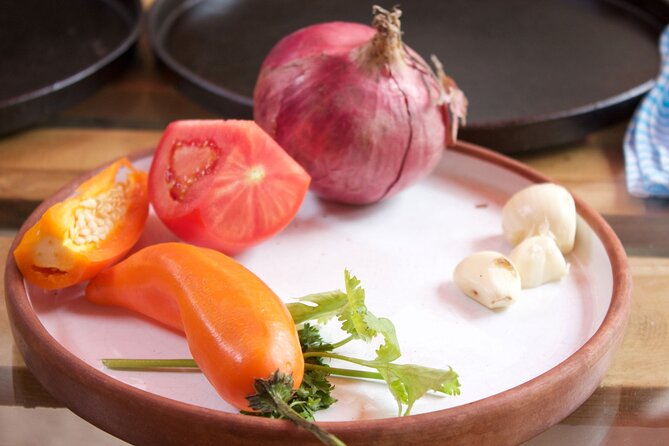
The market portion is the best part for anyone who wants more than a quick meal. Anilu introduces you to regional fruits, vegetables, herbs, and other products for sale. You may also see chickens, guinea pigs, ducks, sheep, and alpacas.
That mix gives you a more honest look at the local food system than a restaurant menu can provide. Guinea pig, for example, is a familiar Andean food, while alpacas are part of the region’s rural life. You are not simply passing through a market for photographs. The ingredients help set up the cooking lesson that follows.
The fruit tasting is another useful touch. Some produce may be unfamiliar, and tasting it with Anilu’s explanations gives you a better idea of how local flavors are used. One especially good approach is to pay attention to the herbs and fresh ingredients you see here, since they may return later as part of your meal.
You should allow yourself to be curious rather than rushing through the stalls. The market is not presented as a separate sightseeing stop with a long list of monuments. Its value is in the small details: what is sold, how ingredients look before preparation, and how the market connects with the food on your plate.
From the market to the outdoor kitchen
After the market, you travel by rickshaw or tuk-tuk to Pakakuna, where Anilu and Diego host the cooking session. The outdoor kitchen helps keep the experience informal. You are cooking in a home setting, with music playing in the background as the meal comes together.
Diego leads the cooking instruction. He can demonstrate the dishes while you watch, or you can request a hands-on lesson when booking. I would choose the hands-on option if you want to take home more than a pleasant memory. Watching is easier, but cutting, seasoning, and stirring are what help the method stick.
The lesson can include several well-known Peruvian dishes:
- Ceviche made with fresh fish cured in citrus juice
- Lomo saltado with marinated beef sirloin
- Tacu tacu, a combination of rice and roasted beans
- Papa la huancaína, potatoes with a spicy, savory sauce
- Arroz chaufa, sautéed rice with green onions and sesame seeds
- Other dishes selected according to the season and your arrangements
The exact menu is not fixed, and that is both a benefit and a limitation. Seasonal ingredients can make the food fresher and more connected to the market. On the other hand, you should not book expecting one exact dish unless you have confirmed it in advance.
What you actually learn while cooking
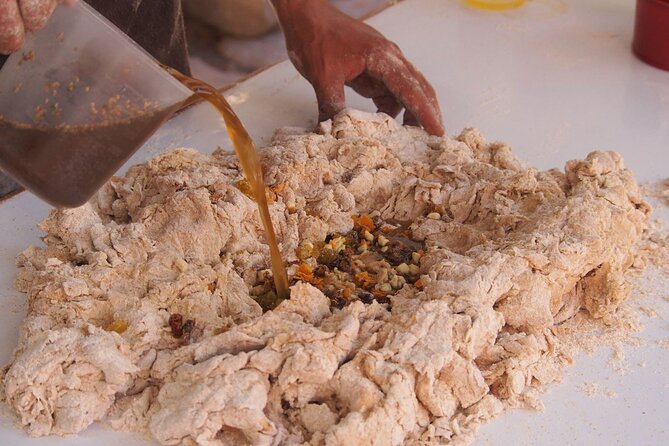
The ceviche lesson sounds particularly useful. Diego explains how to cut the fish properly and how to balance the flavors. That balance is the heart of ceviche. Too much citrus can overpower the fish, while too little leaves the dish flat. Practical guidance here is more valuable than a recipe card alone.
A separate account of the experience included river trout ceviche, fish and vegetarian versions, and an Asian-Peruvian fusion dish using beef tenderloin and stir-fry methods. These examples show that the meal can move beyond a single fixed menu. They also suggest that the hosts may adapt the cooking to the ingredients available and the preferences arranged ahead of time.
You may also pick up simple knife skills. Diego has been praised for giving clear, descriptive instructions, and one cooking session included help with cutting technique. That sort of detail makes the lesson useful at home, where you may not have the same ingredients but can still use the preparation methods.
The cooking tasks may not all be difficult. Some parts are likely to be straightforward, especially if you choose a demonstration-heavy format. That is not necessarily a flaw. The value is in understanding the ingredients, seasoning, order of preparation, and local approach to the dish, rather than completing a difficult exam in Peruvian cuisine.
More Market Tours in Cusco
- Hands-on Peruvian Cooking Class & San Pedro Market Visit in Cusco
★ 5.0 · 421 reviews - Pisac Indian Market and Ollantaytambo Fortress with Lunch
★ 4.5 · 395 reviews - Local Market and Peruvian Cooking Class with Pisco Sour in Cusco
★ 5.0 · 384 reviews - Traditional Peruvian Cooking Class and Market Tour in Cusco
★ 5.0 · 375 reviews
The meal at Pakakuna
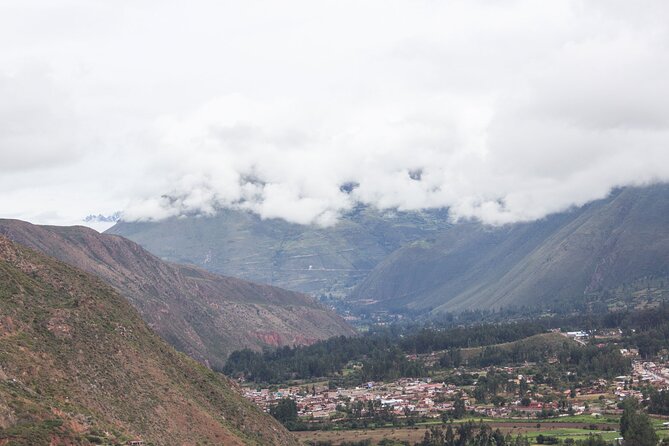
Once the food is ready, you sit down with your hosts for lunch or dinner. The meal is included in the price, so you are not paying separately for the food you help prepare. Music plays while you eat, and the atmosphere is designed for conversation rather than a quick turnover between tables.
Market purchases may return as appetizers. This creates a satisfying link between the first and second parts of the experience. You saw the produce in its original setting, tasted some of it, and then encountered it again at the table.
The food is the strongest reason to book. The cooking covers familiar Peruvian favorites, but the home setting adds context that you do not get at a hotel restaurant. One memorable menu combined ceviche with aji de gallina. Another included vegetarian ceviche and a vegetarian couscous dish. These examples are helpful if you are looking for meat-free options, although you still need to request vegetarian food ahead of time.
Anilu and Diego may also introduce you to their family during the visit. That can make the evening feel warm and personal, but it also means you should arrive expecting a home-based experience rather than a polished restaurant production. If you prefer strict restaurant service and a quiet dining room, this may not be your ideal meal.
The hosts make the difference
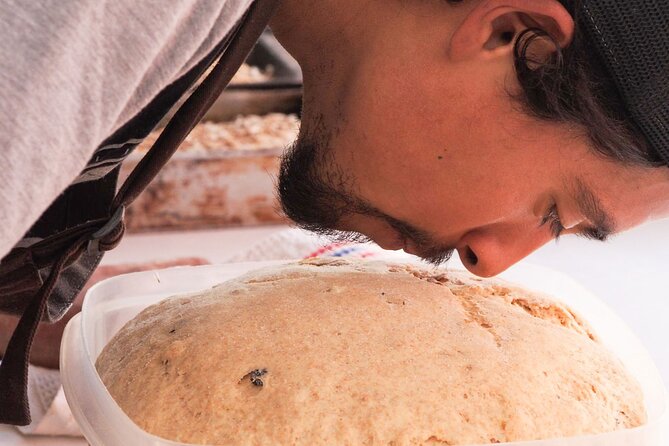
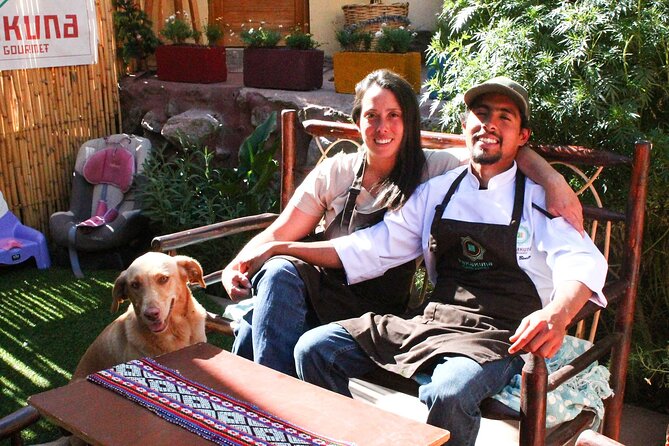
Anilu is the main link between the market and the kitchen. Her English makes the experience accessible, and she explains the local produce rather than simply pointing it out. That is important in a market where unfamiliar foods can otherwise become a blur of names and colors.
Diego brings the cooking side. His role includes demonstrations, knife guidance, and tips on seasoning and preparation. The two hosts work together, with Anilu helping explain the ingredients and Diego focusing on the cooking.
The strongest praise for this experience centers on the hosts’ warmth and generosity. The meal is not treated as a simple transaction. You are invited into their home, introduced to their food, and given time to talk and eat together.
That personal side is also why this suits couples, families, and small private groups especially well. You can ask questions without holding up a large class. If you are traveling with friends, the private format lets you share the meal without being placed with strangers.
Is $140 per person good value?
The price is $140 per person, with group discounts available. That is a serious cost for a four-hour activity, especially in a destination where a restaurant meal can cost much less.
Still, the comparison should not be made against dinner alone. The fee covers a private market tour, rickshaw transportation during the activity, personal instruction, ingredients, a full homecooked meal, taxes, fees, and gratuities. You are paying for time with two hosts, not just for a plate of food.
I think the value is strongest for anyone who enjoys food, wants a personal encounter, and plans to cook after returning home. The recipes and techniques give the experience a life beyond the afternoon. One useful sign is that ceviche is simple enough to prepare again at home, provided you follow safe food handling and use suitable ingredients.
The value is weaker if you only want to sample Peruvian dishes. A good restaurant can satisfy that goal for less money. The experience makes sense when the market, instruction, conversation, and home setting all matter to you.
Timing, meeting point, and practical planning
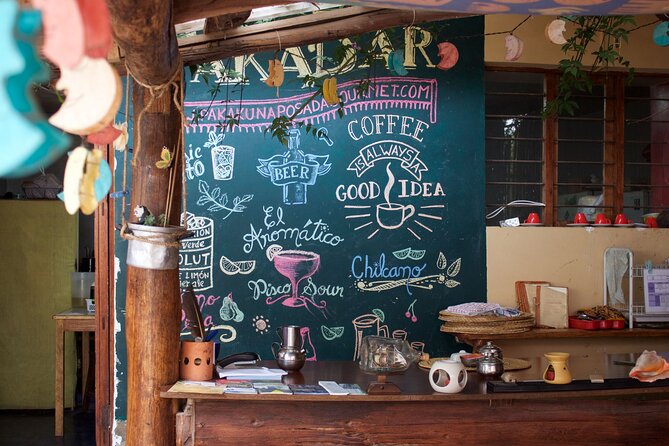
The experience lasts about four hours. It begins in Urubamba at the listed meeting point, Urubamba 08661, Peru, and ends back there. Hotel pickup and drop-off are not included, so you need to arrange your own way to the start.
The location is near public transportation, but the information provided does not specify a hotel transfer service. Build in enough time to reach the meeting point without stress, particularly if you are coming from another part of the Sacred Valley.
You receive confirmation when booking. Since the menu may change with the season, state your preferred dishes, vegetarian needs, allergies, and other dietary restrictions at that stage. Also tell the provider if you want hands-on instruction instead of a demonstration.
Free cancellation is available if you cancel at least 24 hours before the local start time. Changes or cancellations made inside that window are not accepted for a refund.
Who should book this experience?
I would recommend it to you if you enjoy food markets, small-group experiences, and meals with local hosts. It is a good fit for couples who want a relaxed Sacred Valley evening, families interested in food, and home cooks who would like to add Peruvian dishes to their routine.
Vegetarians should also consider it, but must request the menu in advance. The experience has included vegetarian ceviche and other meat-free dishes, so a vegetarian menu is possible.
It may be less suitable if you need hotel pickup, want a large professional kitchen, or expect a fixed menu with restaurant-style service. The four-hour format is also a meaningful block of time, so you should be comfortable giving an afternoon or evening to the activity.
Should you book the Urubamba cooking lesson?
Book it if you want to understand Peruvian food through its ingredients, preparation, and people. The market, rickshaw ride, outdoor kitchen, and shared meal create a clear sense of place, while Anilu and Diego add the personal touch that makes the food memorable.
I would book the hands-on format, confirm dietary needs early, and treat the menu as seasonal rather than fixed. At $140 per person, this is not a bargain cooking class, but the private instruction, market visit, meal, and recipes make it a worthwhile splurge for food-focused visitors to the Sacred Valley.
FAQ
Where does the experience take place?
It takes place in Urubamba, Peru. The listed start point is Urubamba 08661, Peru, and the activity ends back at the meeting point.
How long does the experience last?
The experience lasts approximately four hours.
Is this a private activity?
Yes. Only your group participates, making it a private and personalized experience.
Is hotel pickup included?
No. Hotel pickup and drop-off are not included. The meeting point is near public transportation.
What dishes might I learn to make?
Possible dishes include ceviche, lomo saltado, tacu tacu, papa la huancaína, and arroz chaufa. The menu may change according to the season.
Can I request vegetarian food?
Yes. A vegetarian option is available, but you must request it when booking.
Can I take part in the cooking?
Yes. You can request a hands-on lesson or ask Diego to demonstrate the dishes while you watch. State your preference during booking.
Is the experience offered in English?
Yes. The experience is offered in English, and Anilu leads the market visit and helps explain the ingredients.
What is included in the price?
The price includes the private market tour, cooking class, taxes, fees, gratuities, and homecooked Peruvian meal. The listed price is $140 per person.
More Sacred Valley Days Out
- From Cusco: Moray, Maras Salt Mines & Chinchero Weavers Tour
★ 4.8 · 1,925 reviews - 2-Day Tour: Sacred Valley and Machu Picchu by Train
★ 5.0 · 1,127 reviews - Cusco: Sacred Valley, Pisac, Ollantaytambo, Salt Mines Moray
★ 4.6 · 1,058 reviews - Cusco:Chinchero,Moray & Salt Mines drop-off in Ollantaytambo
★ 4.8 · 793 reviews
More Shopping Tours in Cusco
- Cooking class and market tour with a local chef
★ 5.0 · 186 reviews - Cusco City Sightseeing, San Pedro Market, Cathedral and Qorikancha Temple
★ 4.5 · 139 reviews - Cusco Food Walking Tour & Central Market
★ 5.0 · 48 reviews - Vegan Peruvian Cooking Class Cocktails and Local Market in Cusco
★ 5.0 · 46 reviews
Added recently around Cusco
- Super valley or vip valley★ 5.0 · 13 reviews
- the Incas’ Sacred Valley★ 5.0 · 27 reviews
- Sacred Valley of the Incas Day Trip from Cusco★ 5.0 · 6 reviews
- Small-Group Tour: Rainbow Mountains Hiking from Cusco★ 4.0 · 5 reviews
- Excursion to the Sacred Valley of the Incas from Cusco★ 5.0 · 8 reviews
- Maras + Moray & Textile Experience★ 5.0 · 14 reviews
- Tour EN Cuatrimoto POR la Montaña 7 Colors Hike 5 Minutes★ 4.5 · 32 reviews
- rainbow mountain★ 4.0 · 4 reviews
Sacred Valley Tours, compared.
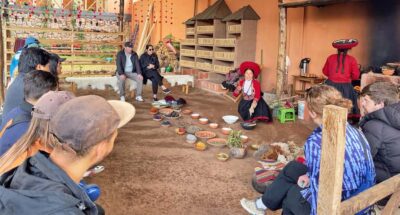
Sacred Valley & Maras Salt Mines Tour with Lunch
Read our review →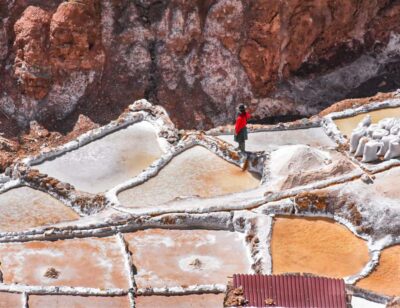
Moray, Maras Salt Mines & Chinchero Weavers Tour
Read our review →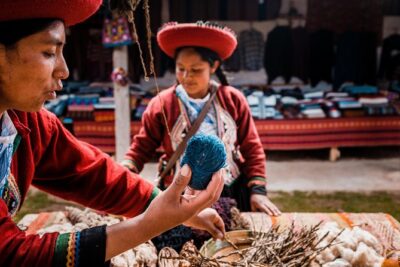
2-Day Tour: Sacred Valley and Machu Picchu by Train
Read our review →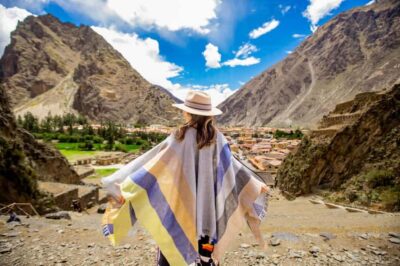
Sacred Valley, Pisac, Ollantaytambo, Salt Mines Moray
Read our review →
Chinchero,Moray & Salt Mines drop-off in Ollantaytambo
Read our review →
Sacred Valley and Maras Moray Tour with Full Day Buffet Lunch
Read our review →
Browse the lists this tour appears in