
Reviewed · COOKING CLASSES
Cooking class and market tour with a local chef
Food tells Cusco’s story plainly. This four-hour market tour and cooking class combines two things I like most about a city visit: a local chef who grew up in Cusco and a hands-on meal built from fresh Peruvian ingredients. You visit the famous San Pedro Market, taste fruits and cheeses, then prepare a starter, main course, and pisco-based drink.
I also like the thoughtful approach to dietary needs. Vegetarian meals, alcohol-free drinks, and adjustments for allergies or food preferences are available when arranged with the chef. The main drawback is simple: at $57 per person, this costs more than an ordinary Cusco meal, and only one cocktail is included.
Chef Ronal, also identified in some bookings as Ronald or Roland, leads the class in English or Spanish. His market explanations, cooking tips, and easy manner receive especially strong praise. If you want to learn how Peruvians use potatoes, peppers, fruit, fish, and native ingredients, this is a useful and tasty introduction.
In This Review
- Key points before you book
- Meeting at San Juan de Dios Street
- San Pedro Market: your first taste of Cusco
- Building the starter: rocoto relleno and causa rellena
- Choosing between lomo saltado and ceviche
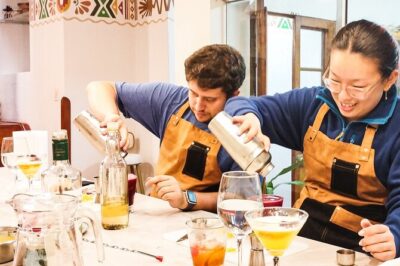
- Making a pisco sour, passion fruit sour, or mocktail
- What the cooking studio adds
- How Chef Ronal shapes the experience
- Is $57 a fair price?
- When to schedule it in your Cusco plans
- Who should book this Cusco food experience?
- Should you book it?
- FAQ
- How long does the market tour and cooking class last?
- How much does the experience cost?
- Where is the meeting point?
- Is transportation included?
- Which languages are available?
- Which main dishes can I choose?
- Which drinks are available?
- Can the menu accommodate vegetarian diets and allergies?
- Is the activity suitable for young children?
- Can I cancel for a refund?
Key points before you book
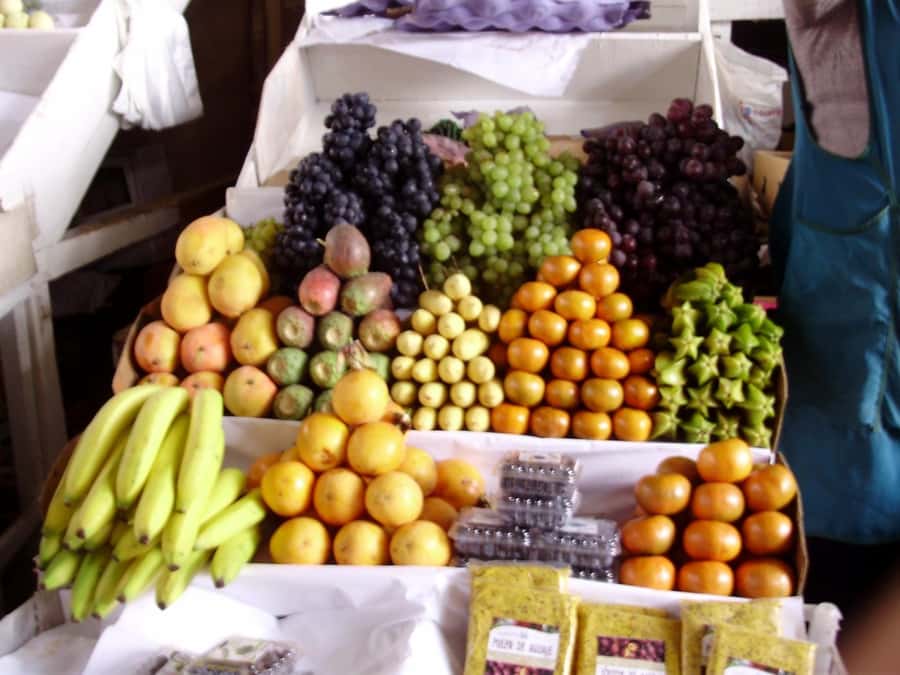
- San Pedro Market comes first: You see fruit, vegetables, meat, cheese, herbs, and other local products before cooking with selected ingredients.
- You choose your main course and drink: Pick lomo saltado or ceviche, then choose between pisco sour, passion fruit sour, or a nonalcoholic fruit drink.
- Rocoto relleno and causa rellena are included: The starter is prepared for everyone, giving you a taste of two classic Peruvian preparations.
- Chef Ronal teaches rather than simply demonstrates: You get help with cutting, seasoning, cooking methods, and the reasons behind each step.
- Dietary adjustments are a real strength: Vegetarian, dairy-free, gluten-free, allergy-related, and other food preferences can be addressed.
- The class works well early in a Cusco visit: The activity is indoors, relaxed, and includes practical discussion of altitude remedies and digestive teas.
Meeting at San Juan de Dios Street
The workshop is at 264 San Juan de Dios Street, opposite the Aranwa Boutique Hotel. Look for a glass and wooden door without advertising. That detail matters because the entrance can be easy to miss if you expect a large restaurant sign.
Transportation is not included, so you make your own way there. The central location is useful if you are already exploring Cusco on foot, but leave enough time to find the door. The class lasts four hours, and starting times vary, so check the available session when you book.
The experience is offered in English and Spanish. If you have food allergies, avoid certain ingredients, or need a vegetarian meal, tell the provider before the class begins. The chef has adapted dishes for allergies, gluten intolerance, dairy-free diets, and vegetarian preferences, but advance notice gives the kitchen a fair chance to prepare.
More Cooking Classes in Cusco
- Peruvian Cooking Class Cocktails and Market Tour in Cusco
★ 5.0 · 1,712 reviews - Cusco Cooking Classes and San Pedro Market Tour
★ 5.0 · 691 reviews - Cusco: Peruvian Cooking Class, Cocktails & Local Market Tour
★ 4.9 · 512 reviews
San Pedro Market: your first taste of Cusco
The market visit is not just a quick shopping stop. Chef Ronal guides you through the stalls and explains the foods used in Peruvian cooking. You might see fruit, vegetables, meat, cheese, herbs, potatoes, and other products that are easy to walk past without knowing how locals use them.
The tasting is one of the best parts. You sample local fruits, cheeses, and bread, with the chef explaining what you are trying and where it fits into the local diet. Several people particularly enjoyed tasting ripe, fresh fruit at the market, which gives the tour a direct connection to the meal that follows.
San Pedro also helps put Peru’s food culture into perspective. Potatoes are not just a side dish here. One class discussion highlighted Peru’s thousands of potato varieties, a useful reminder that the familiar yellow potato is only a small part of the country’s food tradition.
The market can be crowded, especially later in the day. That is part of the experience, but it may feel less comfortable if you dislike busy food halls or are sensitive to strong smells. A morning class can be a good choice if you prefer more breathing room and a calmer visit.
You may also see meat from animals eaten by local communities. That is worth knowing before you go, particularly if you are uncomfortable around traditional meat stalls. The market is a working food market, not a polished display made only for sightseeing.
Building the starter: rocoto relleno and causa rellena
The class includes a shared starter course, with two Peruvian favorites listed as the menu options: rocoto relleno and causa rellena. The exact preparation may depend on the session and dietary needs, but both dishes introduce important Peruvian ingredients and techniques.
Rocoto relleno uses a local chili pepper stuffed with meat, onions, peas, carrots, peanuts, and raisins. It is topped with local cheese and baked. The combination gives you sweet, savory, spicy, and creamy notes in one dish. If you are sensitive to heat, ask how spicy your portion will be and discuss an adjustment with the chef.
Causa rellena is built from mashed potato mixed with yellow chili sauce. It is filled with ingredients such as avocado, fish tartare, mayonnaise, and spices. The dish is cool and soft, making a nice contrast with the baked rocoto.
This part of the class is useful for beginners because Chef Ronal explains basic cutting and preparation techniques. You do not need advanced kitchen skills. Even experienced home cooks can pick up practical ideas, but the pace is aimed at people who want clear guidance rather than a demanding professional lesson.
The starter is the same for everyone unless a dietary change is needed. That makes the group meal easier to organize, though it gives you less menu choice than the main course and drink.
Choosing between lomo saltado and ceviche
Before the class starts, you choose your main dish. The two choices show different sides of Peruvian cooking.
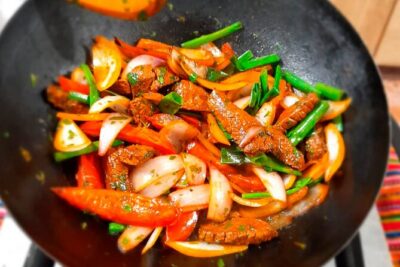
Lomo saltado combines beef tenderloin, rice, onions, tomatoes, soy sauce, oyster sauce, vinegar, and native potato fries. It reflects the Chinese-Peruvian influence found in one of Peru’s most popular comfort foods. The cooking is active and rewarding, since the ingredients come together quickly and the sauce ties the dish together.
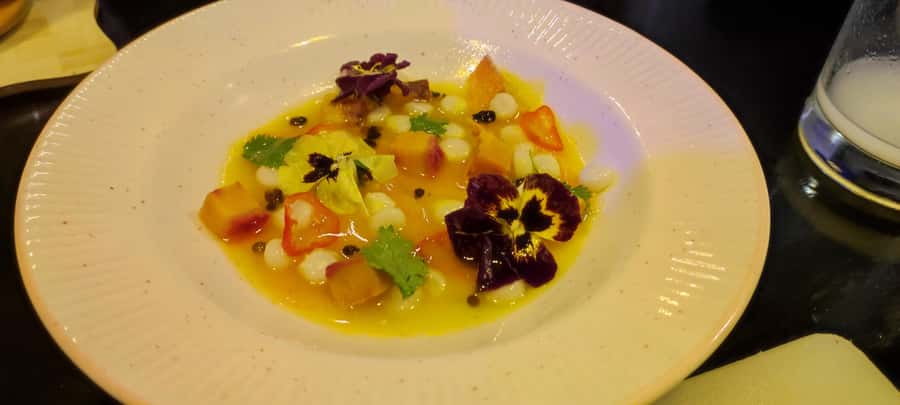
Ceviche uses trout, mango, avocado, lime juice, onions, celery, ginger, corn, and sweet potato. This is a Cusco-friendly take on ceviche, using trout rather than the sea fish more commonly associated with the dish. The lime, fruit, herbs, and vegetables make it fresh and bright.
The ceviche is prepared with raw fish, so speak up if you have concerns about ingredients or preparation. You can also select the lomo saltado instead. Vegetarian adaptations are available, and the chef has shown particular care with individual food preferences.
I like that you do not simply watch someone cook these dishes for you. You take part in the preparation, receive help when needed, and then eat what you made. The result is not only a meal, but also a recipe you can try again at home. Recipes are sent by email after the class, which adds useful value to the experience.
More Market Tours in Cusco
- Hands-on Peruvian Cooking Class & San Pedro Market Visit in Cusco
★ 5.0 · 421 reviews - Pisac Indian Market and Ollantaytambo Fortress with Lunch
★ 4.5 · 395 reviews - Local Market and Peruvian Cooking Class with Pisco Sour in Cusco
★ 5.0 · 384 reviews - Traditional Peruvian Cooking Class and Market Tour in Cusco
★ 5.0 · 375 reviews
Making a pisco sour, passion fruit sour, or mocktail
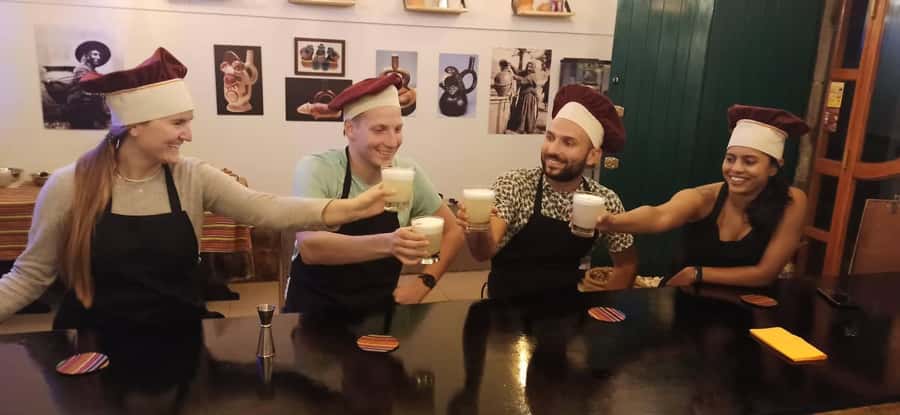
The drink course introduces pisco, Peru’s national grape spirit. You choose one cocktail, either a classic pisco sour or a passion fruit version. The classic uses lime, syrup, and egg white, while the passion fruit sour adds fresh passion fruit juice.
You can also choose a nonalcoholic drink made with Peruvian fruit and honey. This is important for anyone avoiding alcohol, and it means you can still take part in the bar portion of the class.
The cocktail lesson is a pleasant change of pace from chopping and cooking. It also gives you something you can recreate at home, though the familiar pisco sour may be the main reason some people choose this class. One practical note: only one cocktail is included, so you should not book this expecting a full drinks tasting.
Alcohol and drugs are not allowed beyond the included drink experience. If you do not drink, the fruit and honey option keeps the activity inclusive.
What the cooking studio adds
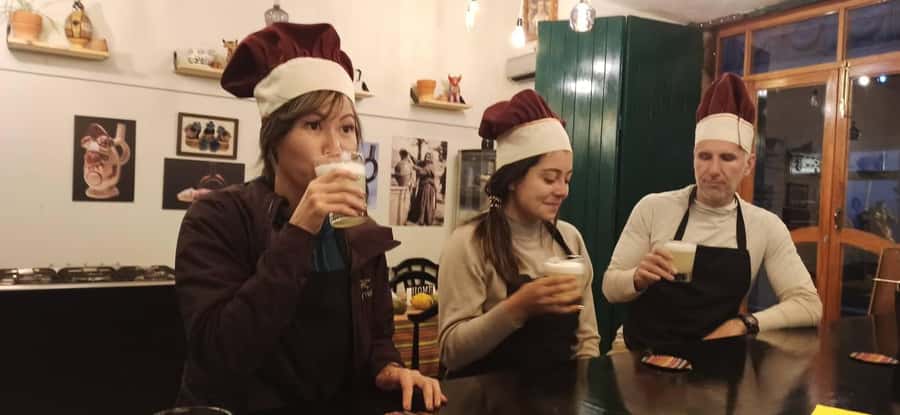
After the market, you return to the cooking studio to prepare the meal. The setting is described as clean and cozy, with kitchen and bar utensils, aprons, water, and the ingredients supplied.
That setup takes the stress out of the activity. You do not need to pack equipment or buy unusual spices before arriving. The staff also handles preparation behind the scenes, allowing Chef Ronal to focus on instruction and conversation.
The class is interactive but not rushed. You can ask about ingredients, local customs, cooking methods, and Cusco. The best sessions appear to balance instruction with group conversation, which makes the class comfortable for solo visitors and couples alike.
A solo participant may find it easy to meet other people here, while families can also take part. One family attended with children aged 11 and 13 and found the experience suitable. The official restrictions exclude very young children, with the activity not suitable for children under the listed age limits, babies, or children under six. The supplied information gives several overlapping child-age restrictions, so confirm the exact rule when booking if you are traveling with children.
The experience is also not suitable for people dealing with altitude sickness. That is sensible: cooking requires standing, tasting, and moving around, and a four-hour activity can feel long when you are struggling to adjust to Cusco’s elevation. The provider can offer natural medicine for altitude sickness and digestive teas, but these are not a replacement for medical care.
How Chef Ronal shapes the experience
The chef is the main reason this class feels more personal than a standard cooking demonstration. Ronal was born in Cusco and brings local knowledge to both the market and the kitchen. His teaching style is described as friendly, patient, and clear, with attention to both first-time cooks and people who already know their way around a kitchen.
He explains how to cut ingredients, checks the taste of food as it develops, and answers questions about local culture. That matters because Peruvian cooking is not only about following a recipe. The market visit helps you understand why particular ingredients appear together and how they connect to daily life in the region.
You may also hear practical advice about altitude sickness, herbs, and digestive teas. I would treat this as useful local context, not medical instruction. If you have a serious health concern, consult a medical professional.
The class has also been led or supported by other team members, including Angela behind the scenes, and some bookings identify the chef as Ronald, Roland, or Ronal. If you need a specific instructor, confirm the name at booking.
Is $57 a fair price?
At $57 per person, this is not the cheapest way to eat in Cusco. You can find a filling local meal for much less, and a market visit on your own costs nothing beyond what you choose to buy.
The value comes from the combination. The price includes a professional chef and guide, the market tour, fresh ingredients, kitchen and bar equipment, an apron, water, one cocktail or nonalcoholic drink, the shared starter, and your chosen main course. You also receive instruction and recipes to use later.
I think the price is reasonable if you want an organized cultural activity and a substantial meal. It is less attractive if you mainly want a quick cooking demonstration or several alcoholic drinks. The one included cocktail is enough for the lesson, but anyone hoping for a long pisco tasting may feel the package is a little tight.
The small-group format mentioned in the experience details adds value. Some morning and holiday sessions have been nearly private, which can mean more direct help from the chef. Group size may vary, so do not assume you will always receive a private lesson.
When to schedule it in your Cusco plans
I would schedule this class early in your stay, after allowing time to begin adjusting to the altitude. It gives you a gentle introduction to local food and helps you recognize ingredients on later menus.
A morning session may offer a quieter market visit and a fresh selection of produce. An afternoon or evening class may have a livelier market atmosphere and finish closer to dinner. Since the class itself lasts four hours, avoid pairing it with a tightly timed excursion or long transfer.
Wear comfortable clothing suitable for cooking and walking through a market. The provider supplies aprons and equipment, but you should still expect to stand, handle food, and move between the market and kitchen.
The meeting point is central, but transportation is not included. Plan your own route and allow time to locate the unmarked glass and wooden door.
Who should book this Cusco food experience?
I would recommend it most strongly to:
- First-time visitors who want context for Peruvian food
- Solo visitors hoping for an easy social activity
- Couples looking for a shared meal with more substance than a restaurant dinner
- Families with older children who enjoy hands-on activities
- Vegetarians and people with food allergies who need a flexible kitchen
- Home cooks who want recipes and techniques to take home
I would think twice if you have severe altitude sickness, dislike markets, cannot comfortably stand for several hours, or want a luxury dining experience with no participation. The class is clean and well organized, but you are there to chop, mix, cook, and taste.
The activity is not suitable for babies and very young children. It also has listed weight restrictions above 135, 140, and 150 kilograms, as well as an age restriction for people over 70. Because those details overlap and are presented in several forms, confirm the current requirements before booking if they apply to you.
Should you book it?
I would book this if food is one of your main reasons for visiting Peru. The San Pedro Market visit gives the class a local foundation, while the kitchen turns that visit into a meal you understand and helped prepare.
The strongest reasons to go are Chef Ronal’s personal teaching, the chance to taste unfamiliar fruit and cheese, the choice between lomo saltado and trout ceviche, and the care given to dietary needs. The main caution is the price, especially since only one cocktail is included and transportation is separate.
Book it early in your Cusco stay if you want food tips for the rest of your trip. Choose a morning time if a calmer market sounds appealing, and contact the provider ahead of time with allergies, vegetarian needs, or other restrictions. You should leave with a full stomach, a better sense of Cusco’s food culture, and recipes you can attempt long after the Andes are behind you.
FAQ
How long does the market tour and cooking class last?
The full activity lasts four hours.
How much does the experience cost?
The listed price is $57 per person.
Where is the meeting point?
Meet at 264 San Juan de Dios Street, opposite the Aranwa Boutique Hotel. The workshop entrance is a glass and wooden door without advertising.
Is transportation included?
No. Transportation to and from the meeting point is not included.
Which languages are available?
The experience is offered in English and Spanish.
Which main dishes can I choose?
You can choose between lomo saltado and ceviche. The ceviche uses trout, mango, avocado, lime, onions, celery, ginger, corn, and sweet potato.
Which drinks are available?
You can choose a classic pisco sour, a passion fruit sour, or a nonalcoholic drink made with Peruvian fruit and honey.
Can the menu accommodate vegetarian diets and allergies?
Yes. The chef can adapt the menu for vegetarian diets, allergies, gluten intolerance, dairy-free diets, and other food preferences. Contact the provider in advance with your needs.
Is the activity suitable for young children?
No. The activity is not suitable for babies and very young children. The supplied restrictions include children under two, three, five, and six years old, so confirm the exact age rule before booking.
Can I cancel for a refund?
Yes. You can cancel up to 24 hours in advance for a full refund. You can also reserve now and pay later, subject to the booking terms.
More Cooking Sessions in Cusco
- Group Cooking Class in Cusco with Pisco Tasting
★ 5.0 · 335 reviews - Bilingual Cooking Class with Pisco Cocktail in Cusco
★ 5.0 · 92 reviews - Cusco: Peruvian Cooking Class & Market Tour
★ 4.9 · 19 reviews - Cusco Billingual Cooking Class at 6pm
★ 5.0 · 16 reviews
More Shopping Tours in Cusco
- Cusco City Sightseeing, San Pedro Market, Cathedral and Qorikancha Temple
★ 4.5 · 139 reviews - Cusco Food Walking Tour & Central Market
★ 5.0 · 48 reviews - San Pedro Market Tour with Peruvian Cooking Class
★ 5.0 · 31 reviews - Curious Monkey Cusco- Market and Streets, Walking Food Tour
★ 5.0 · 31 reviews
Added recently around Cusco
- Guided tour of the mountain of colors in Cusco★ 5.0 · 11 reviews
- 2-Day Private Short Inca Trail to Machu Picchu★ 5.0 · 15 reviews
- City Tour Cusco – Group★ 5.0 · 4 reviews
- Tour Sacred Valley with Maras and Moray★ 5.0 · 15 reviews
- San Pedro Market Tour with Peruvian Cooking Class★ 5.0 · 31 reviews
- Walking Culinary Experience★ 5.0 · 41 reviews
- City Tour in Cusco★ 4.5 · 10 reviews
- One Day Tour to Humantay Lagoon★ 5.0 · 8 reviews
Cooking Classes, compared.
Peruvian Cooking Class Cocktails and Market Tour in Cusco
Read our review →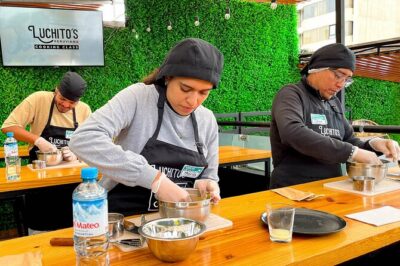
Peruvian Cooking Class, Local Market Tour & Exotic Fruit Tasting
Read our review →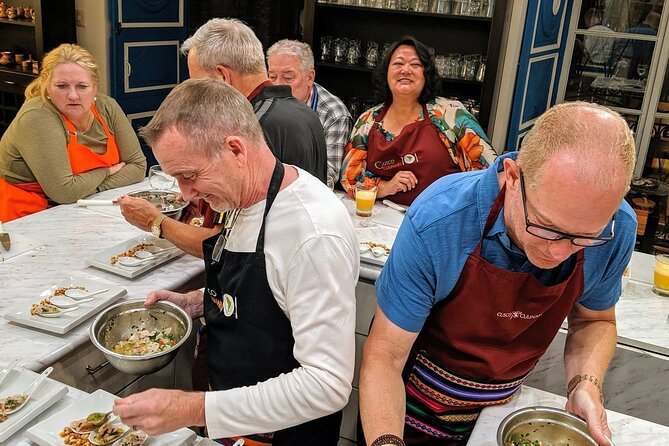
Cusco Cooking Classes and San Pedro Market Tour
Read our review →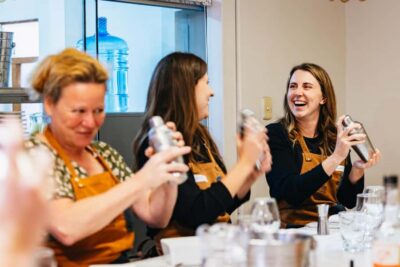
Peruvian Cooking Class, Cocktails & Local Market Tour
Read our review →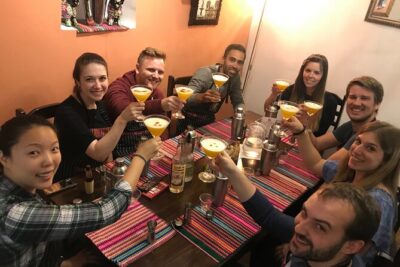
Hands-on Peruvian Cooking Class & San Pedro Market Visit in Cusco
Read our review →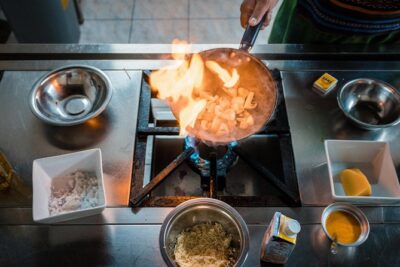
Local Market and Peruvian Cooking Class with Pisco Sour in Cusco
Read our review →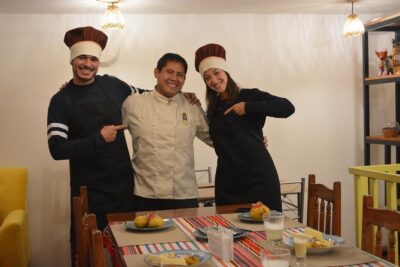
Traditional Peruvian Cooking Class and Market Tour in Cusco
Read our review →Browse the lists this tour appears in