
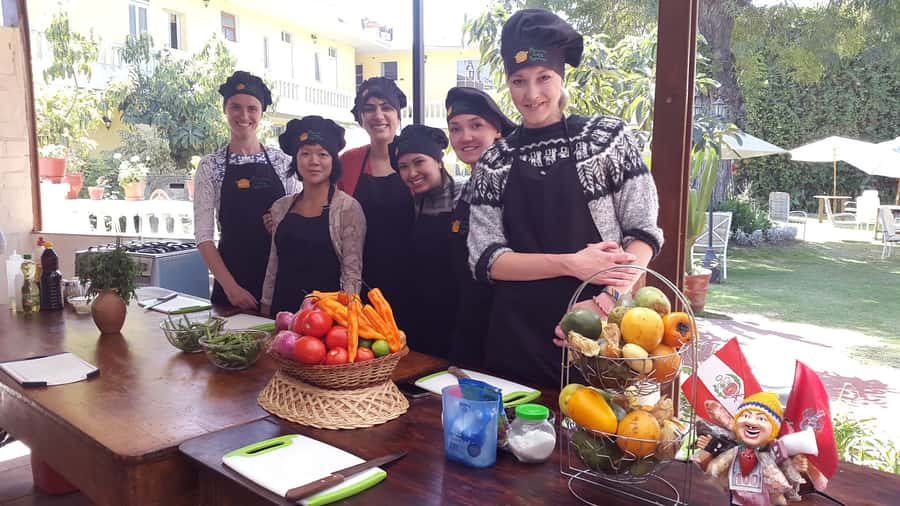
Reviewed · COOKING CLASSES
Arequipa: Peruvian Cooking Class
Good food makes Arequipa easier to understand. This two-hour class brings you into the historic center to prepare two Peruvian dishes with a professional chef, then sit down and eat what you made. I like the choice of three menus, and I like that the class includes a welcome glass of nonalcoholic chicha morada, a sweet purple-corn drink with a distinctly Peruvian taste.
The English and Spanish instruction is useful for international visitors, and the small maximum group of 12 should keep the lesson fairly personal. The main concern is menu coordination: one participant was given the traditional menu after requesting the Andean option, so you should confirm your preferred menu and any dietary needs when booking.
In This Review
- Key things to know before cooking
- Starting at Casa de Avila Hotel in central Arequipa
- Chicha morada and the first taste of Peru
- Choosing between the three Peruvian menus
- The Andean menu
- The traditional menu
- The seafood menu
- Cooking step by step with the chef
- Sitting down to eat your own two-course meal
- How the price compares with the experience
- Who should book this cooking class?
- Practical details before you book
- Should you book it?
- FAQ
- Where does the cooking class take place?
- How long does the cooking class last?
- How much does the experience cost?
- What food menus are available?
- What is included in the price?
- Is the chef able to teach in English?
- Is a vegetarian menu available?
- Can the menu be adapted for allergies?
- Are hotel transfers included?
- Are children allowed to join?
Key things to know before cooking
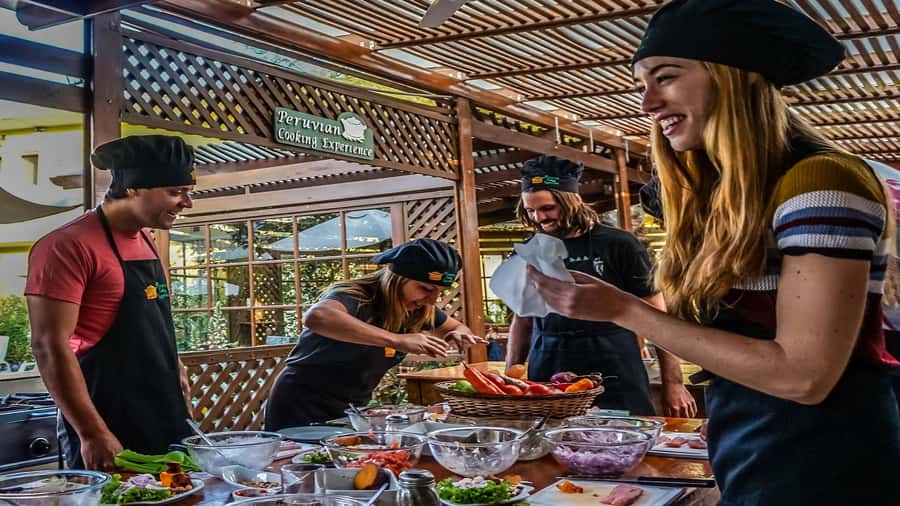
- Three distinct menus: Choose between Andean, traditional, and seafood dishes, although the final menu should be confirmed clearly in advance.
- A real meal, not only a demonstration: You prepare two courses, eat them at the end, and finish with dessert.
- Historic-center location: The meeting point is Casa de Avila Hotel, making this easy to fit into a day of sightseeing in central Arequipa.
- Practical instruction: The chef demonstrates each recipe step by step, with ingredients, cookware, an apron, and a chef’s hat supplied.
- Good language access: The professional chef teaches in English and Spanish.
- Potential value concern: At $63 per person, the price is fair if you want a guided food activity and a full meal, but high if you expect a long cooking workshop.
Starting at Casa de Avila Hotel in central Arequipa
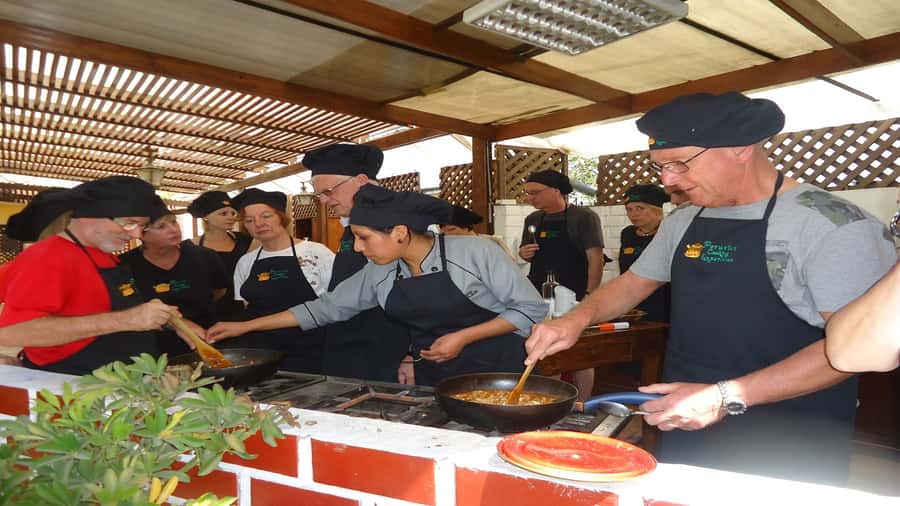
You meet at Casa de Avila Hotel in the historic center of Arequipa. Hotel transfers are not included, so you need to make your own way there. That is not a major drawback if you are already staying centrally or sightseeing nearby, but it matters if your hotel is outside the center.
The class lasts two hours, with starting times depending on availability. That makes it easy to place around a morning visit to the Santa Catalina Monastery, a walk around the Plaza de Armas, or an evening meal plan. Still, two hours passes quickly once you begin preparing several dishes, so arrive ready to start rather than treating the meeting time as a loose arrival window.
The setting has received praise for being attractive and well prepared. One useful criticism is that music was loud enough to make conversation difficult at the table. If you want to ask questions and chat with other people in the group, a quieter room would make the experience better.
The group can include up to 12 people, and at least two participants are required for the class to run. A group of 12 is not tiny, but it is manageable for a cooking lesson if the chef keeps everyone involved. The experience is also listed as wheelchair accessible.
More cooking sessions in Arequipa:
- Peruvian Cooking Experience in Arequipa
★ 5.0 · 173 reviews - Peruvian Cooking Class in arequipa
★ 5.0 · 41 reviews - Private Cooking Class in Arequipa
★ 5.0 · 5 reviews
Chicha morada and the first taste of Peru
The class begins with chicha morada, a nonalcoholic drink made from purple corn. It is sweet and refreshing, and it gives the lesson a proper local opening instead of sending you straight to a chopping board.
Chicha morada is useful here because it introduces an ingredient that appears often in Peruvian food culture. You also get a chance to settle in, meet the chef and other participants, and hear about the background of the dishes before cooking starts.
The experience is designed as a shared activity. You can talk with the chef and compare travel stories with the group while preparing lunch or dinner. That social element matters if you are traveling alone or want an evening activity that does more than simply place food in front of you.
Before handling the ingredients, you put on an apron and chef’s hat. It is a small touch, but it helps mark the shift from sightseeing to participation. You are not only watching a chef cook. You are expected to make the dishes yourself with guidance.
Choosing between the three Peruvian menus
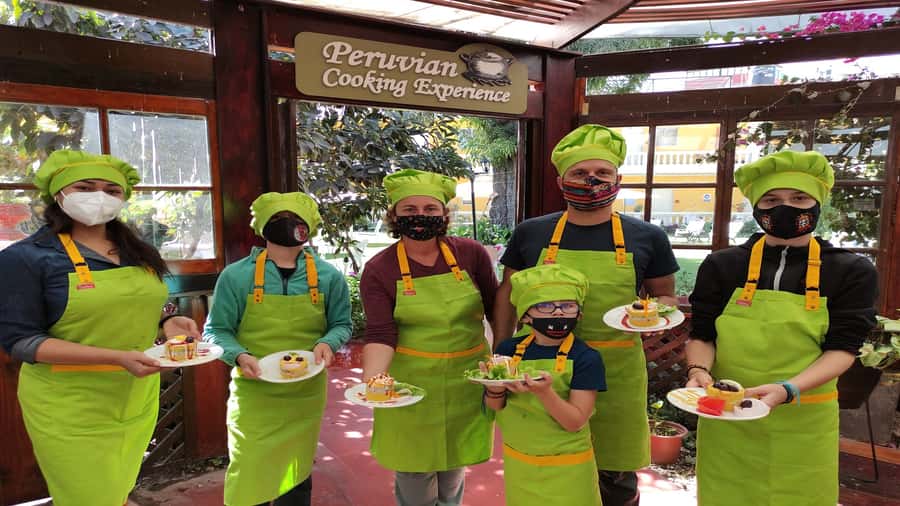
The menu choice is one of the most important parts of this experience. There are three options, each showing a different side of Peruvian cooking. The final selection is coordinated after the reservation, so make your preference clear when booking and check that it has been recorded.
The Andean menu
The Andean menu begins with solterito, a fresh salad made with onion, tomato, corn, beans, cheese, and potatoes. It is a good introduction to the ingredients of the southern Peruvian highlands, with a mix of fresh produce, legumes, dairy, and potatoes.
The main course is rocoto relleno. This is a stuffed rocoto pepper filled with ground meat, spices, cheese, and raisins. Rocoto has the shape of a small apple, but its heat can be serious. The sweetness of the raisins and the richness of the cheese and meat help balance the pepper, though you should not assume it will taste like a mild bell pepper.
This menu is best for you if you want a direct connection to Arequipa’s regional cooking. It also offers the most distinctive local character of the three options. If you are sensitive to spice, ask how the heat will be handled before the class begins.
A few more Arequipa trips worth lining up side by side
- 2 day 1 night trek / Colca Canyon
★ 5.0 · 1,069 reviews - From Arequipa: Colca Canyon Full-Day Guided Tour with Meals
★ 4.5 · 982 reviews - Tour to the Salinas Lagoon and National Reserve in Arequipa
★ 4.5 · 548 reviews - From Arequipa: Sillar Route Trek
★ 4.2 · 461 reviews
The traditional menu
The traditional menu starts with causa, a chilled or room-temperature potato dish seasoned with yellow pepper and lemon. It is filled with avocado and either tuna or chicken, then decorated with black olives and vegetables.
Causa shows how much work Peruvian cooks can get from the humble potato. Peru is home to many potato varieties, and this dish turns mashed potato into something bright, layered, and carefully presented. The yellow pepper and lemon keep it from becoming heavy.
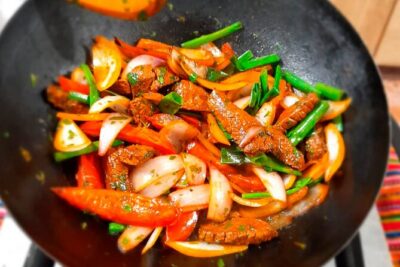
For the main course, you prepare lomo saltado in a wok. This Chinese-Peruvian fusion dish combines beef, onion, yellow pepper, and tomato with French fries and white rice. The mix may sound like several meals placed on one plate, but that combination is exactly the point. It reflects the long influence of Chinese cooking on Peruvian food.
The traditional menu is probably the safest choice for a first Peruvian food lesson. It gives you a familiar beef dish, a potato-based starter, and techniques that are easy to understand. It may feel less specifically Arequipeñan than the Andean menu, however.
The seafood menu
The seafood menu begins with ceviche, made from fresh fish marinated in lemon juice and served with onion, sweet potato, and corn. This course depends on freshness, acidity, and timing, so it is a useful dish for learning how a few ingredients can create a strong result.
The second course is pescado a lo macho. You prepare a fried fish fillet and top it with a sauce of onions and tomatoes, serving it with white rice. This is a heartier seafood dish than ceviche and gives the menu a warm main course after the cool starter.
Choose this menu if you especially want to learn about Peru’s seafood traditions. If you have fish or citrus allergies, say so when booking. The operator says dietary restrictions can be accommodated, but you should not wait until the class begins.
Cooking step by step with the chef
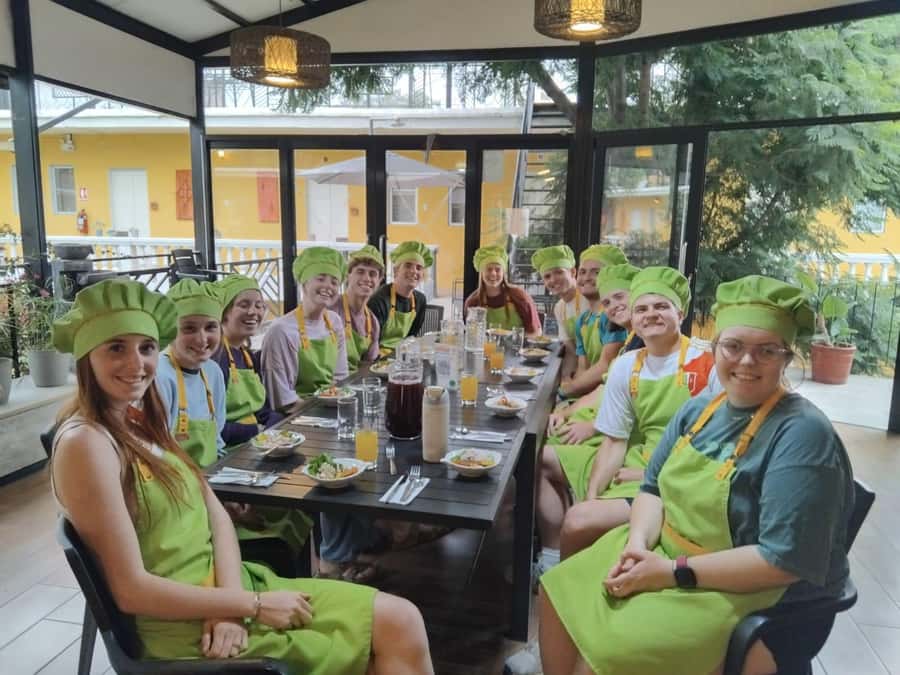
The chef explains the recipes as you work through them. That step-by-step format is more useful than a simple food demonstration because you get to handle the preparation yourself and see how the dishes come together.
You receive the ingredients and cookware, so there is no need to bring special equipment. Wear comfortable clothes, since you will be moving around the cooking area and handling food. The apron helps protect your clothes, but comfortable clothing is still the sensible choice.
The class is taught in English and Spanish. The language access has been especially useful for English-speaking participants, with the instructor explaining the process clearly and keeping the mood friendly. Diana, one of the instructors praised by name, was described as an excellent teacher who helped create a fun group atmosphere.
The strongest part of the class is likely the chance to ask questions while cooking. You can learn not only what goes into a dish but also how the ingredients work together. The value of a cooking class is usually found in those small explanations: why lemon matters in ceviche, how a rocoto differs from a sweet pepper, or how the wok changes the feel of lomo saltado.
There is one practical warning. A previous session finished about an hour early, leaving less time than expected and omitting the advertised quinoa dessert. That may have been an isolated scheduling problem, but it shows why you should keep your own plans flexible after the class. A two-hour activity should give you enough time for cooking, eating, and dessert without feeling rushed.
Sitting down to eat your own two-course meal
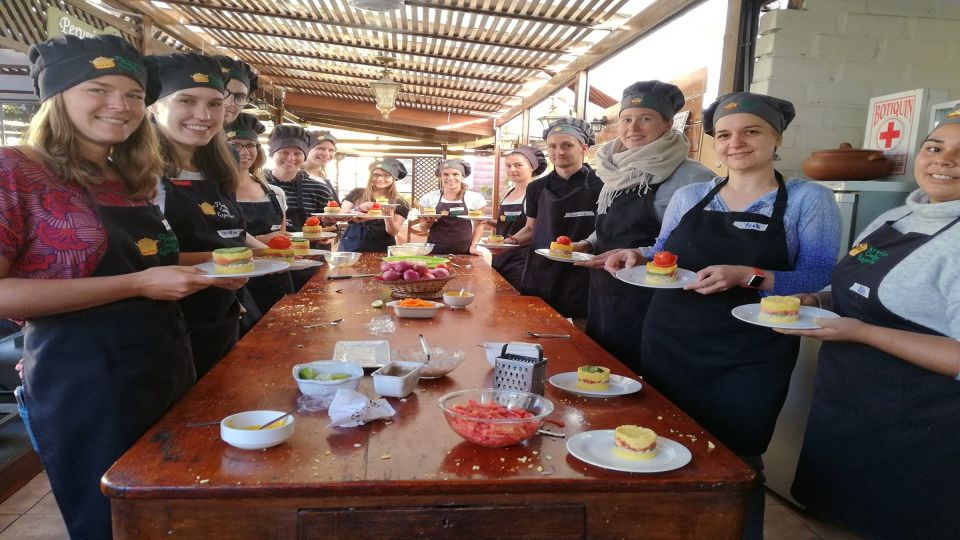
At the end, you eat the dishes you prepared. This is more satisfying than a standard restaurant meal because you have seen the ingredients and methods firsthand. You also get a clear idea of whether you could make the dish again at home.
The included meal is described as a two-course lunch or dinner, depending on the time you choose. Dessert is also served at the end, although the exact dessert is not specified. One account noted that the quinoa dessert was missing, so I would treat dessert as part of the plan but not the main reason to book.
The meal is substantial enough to make the $63 price easier to justify. You are paying for instruction, ingredients, equipment, a drink, and a prepared meal, not just a seat at a table. Still, the cost is above what you might pay for a simple meal in Arequipa, so the experience makes sense mainly if you want the activity and cultural context as well as lunch or dinner.
The food quality has generally been praised, and the dishes offer a broad sample of Peruvian cooking. The Andean menu focuses on Arequipa and highland ingredients. The traditional menu highlights potato, beef, and Chinese-Peruvian cooking. The seafood menu covers ceviche and a sauced fish dish.
How the price compares with the experience
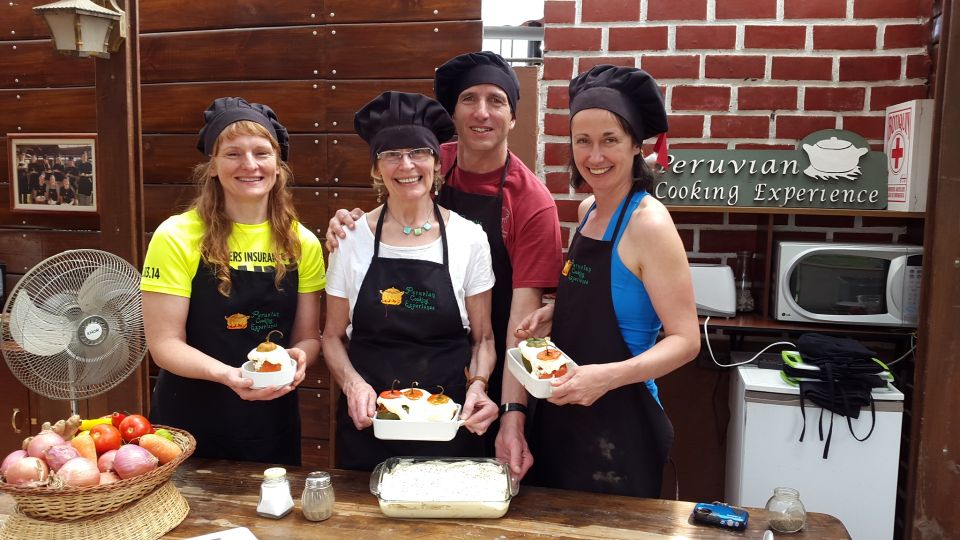
At $63 per person, this is not a budget meal. You can eat affordably in Arequipa, so you should compare this price with the cost of a food tour or other guided activity rather than with a regular restaurant lunch.
I think the price works best for three kinds of people. First, it suits visitors who enjoy hands-on activities and want to learn a recipe they can try again. Second, it works for solo visitors or couples who like meeting a small group. Third, it is useful for anyone who wants a structured introduction to Peruvian food without spending half a day on a longer tour.
The value is weaker if you want advanced culinary training. The class lasts only two hours, and the format covers two dishes from start to finish. You will gain a practical introduction, not professional kitchen skills.
The price also becomes harder to defend if the menu is not the one you requested or if the class is rushed. Confirm the chosen menu, especially if you have allergies, avoid certain foods, or strongly prefer one regional style.
Who should book this cooking class?
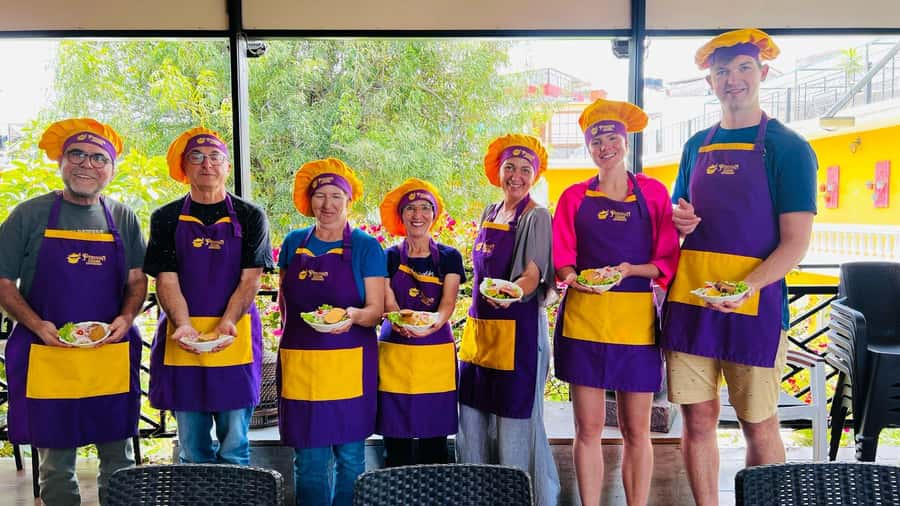
I would recommend this experience to adults and children aged eight or older who enjoy food, conversation, and active sightseeing. It is a good rainy-day option, a break from churches and museums, or a relaxed evening activity in the center.
The class is especially appealing if you want to learn about Peruvian food through dishes you can recognize and prepare. The Andean menu is the best fit for a regional Arequipa focus. The traditional menu is a balanced introduction for first-time visitors. The seafood menu is the obvious pick for ceviche fans.
It may not suit you if you dislike group activities, have severe dietary restrictions, or want complete control over the menu. Vegetarian options are available, but you must request one when booking. Allergies and other restrictions should also be reported in advance so the food can be adapted.
Children under eight are not accepted. Families with older children may find the apron, chef’s hat, and hands-on preparation appealing, but the class still involves listening, food preparation, and staying with the group.
Practical details before you book
The experience includes the guided class, all ingredients and cookware, the chicha morada, a two-course lunch or dinner, Wi-Fi, and an English or Spanish-speaking professional chef. You do not receive hotel pickup or return transportation.
You can cancel up to 24 hours before the activity for a full refund, and the reserve-now, pay-later option keeps your plans flexible. Check available starting times before choosing a day, since the duration is fixed at two hours.
The most useful booking request is simple: state your menu choice, repeat any dietary restrictions, and ask for confirmation. This is particularly important because menu communication has caused frustration before.
Should you book it?
Book this class if you want a friendly, practical introduction to Peruvian food and like the idea of eating a meal you helped prepare. The central location, English instruction, three menu choices, and full meal make it a convenient addition to an Arequipa itinerary.
I would choose the Andean menu for the strongest regional connection, unless you are avoiding spicy food. Pick the traditional menu for the broadest first taste of Peruvian cooking, or the seafood menu if ceviche is high on your list.
At $63, this is best treated as a cultural activity with food included, not a cheap dinner. Confirm the menu before arrival and allow a little time afterward in case the class runs long or the pace changes. With those expectations, it offers a pleasant way to meet people, learn a few useful dishes, and understand why Peruvian food is so varied.
FAQ
Where does the cooking class take place?
The meeting point is Casa de Avila Hotel in the historic center of Arequipa.
How long does the cooking class last?
The class lasts two hours.
How much does the experience cost?
The price is $63 per person.
What food menus are available?
You can choose an Andean menu, a traditional menu, or a seafood menu.
What is included in the price?
The price includes the guided cooking class, all ingredients and cookware, a professional chef, a two-course lunch or dinner, chicha morada, and Wi-Fi.
Is the chef able to teach in English?
Yes. The instructor teaches in English and Spanish.
Is a vegetarian menu available?
Yes. Vegetarian options are available, but you must request one when booking.
Can the menu be adapted for allergies?
Yes. You should report allergies and other dietary restrictions when booking so the menu can be adapted.
Are hotel transfers included?
No. Roundtrip transportation to and from your hotel is not included.
Are children allowed to join?
Children under eight are not permitted. Participants must be at least eight years old.
Added recently around Arequipa
- gazebos cannon of the coca★ 5.0 · 28 reviews
- Sillar Route★ 5.0 · 4 reviews
- Salinas Lagoon + Mini Volcano DE Lojen★ 5.0 · 9 reviews
- Full Day Tour To The Salt Lake Salinas in Arequipa★ 4.5 · 34 reviews
- 3-Day Colca Canyon trek with Professional Guide★ 5.0 · 40 reviews
- Trekking, Waterfalls and Thermal Baths★ 4.5 · 47 reviews
- Walking Tour Arequipa Including Santa Catalina Monastery★ 4.0 · 8 reviews
- Walking City tour including the Monastery of Santa Catalina★ 5.0 · 6 reviews
Cooking Classes, compared.
Peruvian Cooking Class Cocktails and Market Tour in Cusco
Read our review →
Peruvian Cooking Class, Local Market Tour & Exotic Fruit Tasting
Read our review →
Cusco Cooking Classes and San Pedro Market Tour
Read our review →
Peruvian Cooking Class, Cocktails & Local Market Tour
Read our review →
Hands-on Peruvian Cooking Class & San Pedro Market Visit in Cusco
Read our review →
Local Market and Peruvian Cooking Class with Pisco Sour in Cusco
Read our review →
Traditional Peruvian Cooking Class and Market Tour in Cusco
Read our review →Browse the lists this tour appears in