
Reviewed · COOKING CLASSES
Peruvian Cooking Class in arequipa
Cook Arequipa, then eat your homework. This three-hour class turns local ingredients into ceviche, causa Limeña, fruit parfait, and a Pisco Sour, with all equipment and ingredients provided. I like the private format, which keeps the lesson personal, and the warm family touch provided by hosts such as Marisa, Mari, and their relatives. I also like that dishes can be adjusted for dietary needs.
The main thing to consider is that the menu and teaching language may vary with the host and your requirements. Some sessions have used English-speaking family translators, including Maria, Mary, Maree, Leo, and Fernando, but you should confirm language support when booking. Also check the exact meeting point, since the information gives both C. Macón 12 and the kitchen studio at Los Portales de Cayma.
In This Review
- Key points to know before booking
- Why this Arequipa cooking class feels personal
- Arriving in Cayma for the three-hour session
- Starting with a passion fruit Pisco Sour
- Making ceviche with a Japanese-Peruvian edge
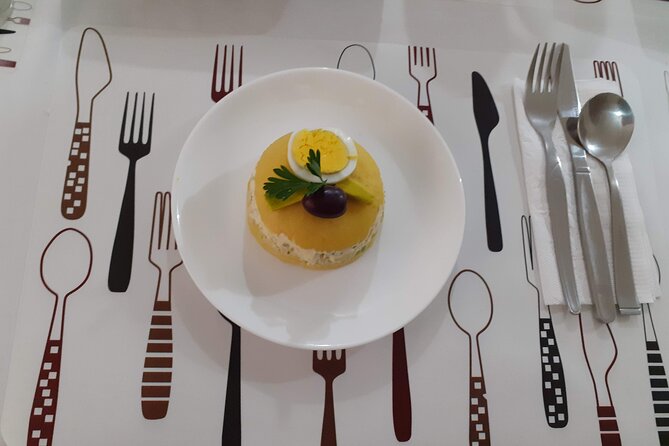
- Shaping causa Limeña into the main course
- Finishing with local fruit in a parfait
- The hosts and translation support
- Is $50 a fair price in Arequipa?
- Who should book this cooking class?
- Booking and cancellation details
- Should you book the Peruvian Cooking Class in Arequipa?
- FAQ
- Where does the cooking class begin?
- How long does the experience last?
- What times are available?
- What food and drinks are included?
- Are vegetarian options available?
- Can I cancel for a full refund?
Key points to know before booking
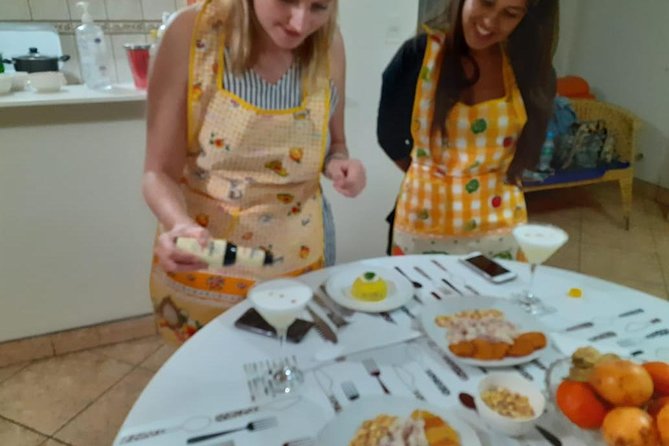
- Shake your own Pisco Sour: You prepare the national cocktail, with a passion fruit or maracuyá version available.
- Three classic Peruvian courses: The class covers Japanese-Peruvian ceviche, causa rellena, and a local fruit parfait.
- Private group format: Only your group participates, making this a good choice for couples, families, and solo visitors who prefer direct instruction.
- Family-led atmosphere: Hosts and relatives provide a friendly, personal setting, with conversation about Arequipa and Peruvian food culture.
- Vegetarian adjustment available: Fish can be replaced with sweet cucumber, a local fruit.
- Bring an appetite: The finished meal is substantial, so arrive ready to eat rather than treating this as a small tasting.
Why this Arequipa cooking class feels personal
A cooking class can be a quick recipe demonstration, or it can give you a better sense of how a place eats at home. This experience aims for the second option. You do not simply watch a chef work from a distance. You prepare the food yourself, talk with your host, and sit down to eat what you have made.
The private format matters. Only your own group takes part, so you can ask questions without holding up a large class. If you are a couple, that gives you plenty of room to work together. If you are traveling alone, the family setting can make the experience feel more social than a standard restaurant meal.
The class also has a strong family character. Marisa and her mother have led sessions together, and family members have helped with English translation. That arrangement has worked especially well for visitors who want more than a list of ingredients. The conversation can extend to daily life in Arequipa, local customs, and the role food plays in Peru.
You should keep expectations practical. This is not presented as a professional culinary school, and the level of English support may depend on who is present. The personal setting is part of its charm, but it may also mean a less formal structure than you would find in a large cooking studio.
More cooking sessions in Arequipa:
- Peruvian Cooking Experience in Arequipa
★ 5.0 · 173 reviews - Arequipa: Peruvian Cooking Class
★ 4.4 · 9 reviews - Private Cooking Class in Arequipa
★ 5.0 · 5 reviews
Arriving in Cayma for the three-hour session
The cooking studio is given as Los Portales de Cayma, Pasaje Larilari I-3. The activity also lists C. Macón 12, Arequipa 04017, as the starting point, so confirm the current meeting instructions before setting out. Private transport is not included, though the meeting area is near public transportation.
Classes run in three time slots:
- 10:00 to 13:00
- 14:30 to 17:30, described as the dinner class
- 18:00 to 21:00
The timing changes the feel of the meal. The morning class leaves your afternoon free for Arequipa sightseeing. The afternoon session makes sense if you want a main meal later in the day, while the evening class gives you a relaxed dinner activity.
Plan on the full three hours. You will be preparing several dishes, learning about ingredients, making a cocktail, and eating the results. This is not the sort of activity to squeeze between two tightly timed attractions.
The class has a five-star average from 41 ratings, with 100 percent recommendation shown in the supplied information. That record suggests a consistently well-liked experience, but the practical details still matter. Check the start time, location, language needs, and any dietary requests before you pay.
Starting with a passion fruit Pisco Sour
The first drink is a Pisco Sour, with a passion fruit or maracuyá version available. You shake your own drink and hear about the history of Peru’s national cocktail.
That is a smart opening. It gives you something active to do right away, and it introduces pisco through a drink rather than a lecture. You also have a chance to settle into the kitchen and meet your host before the chopping begins.
The drink is included in the $50 price, along with coffee or tea. Since the class also includes a complete meal, the cocktail helps make the fee feel more like a combined lesson and dining experience than a simple recipe demonstration.
Use a little restraint here. The food portion is generous, and the session lasts several hours. The Pisco Sour is part of the class, not a reason to arrive already full or to treat the activity as a bar visit.
Making ceviche with a Japanese-Peruvian edge
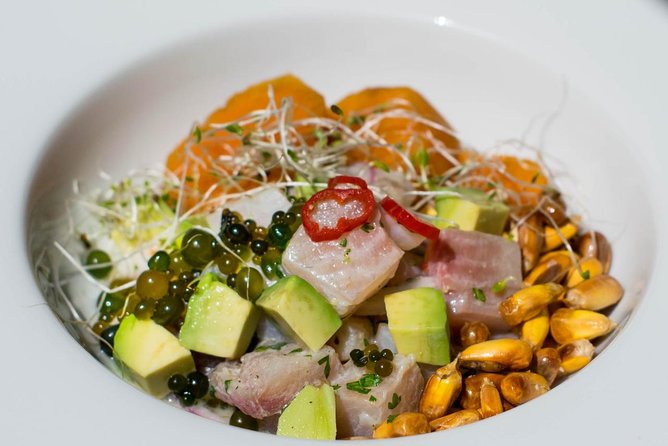
The appetizer is ceviche prepared in a modern, sashimi-style approach. Fish is marinated with Japanese and Peruvian influences, giving the dish a different angle from a strictly traditional preparation.
This is one of the most interesting parts of the menu because ceviche is familiar to many people, yet its character changes with the method. You can learn how the fish is handled, how the marinade affects it, and how Peruvian ingredients work alongside Japanese ideas.
The course is seasoned with Maras pink salt, which appears throughout the meal. The salt gives the class a useful local ingredient story without turning the lesson into a museum talk. You are tasting a product associated with Peru while using it in a dish you helped prepare.
If you do not eat fish, the stated vegetarian substitute is sweet cucumber, a local fruit. This is a useful option, but it is worth raising the request when you book. The class allows dishes to be customized for dietary requirements, yet the exact replacement and preparation should be confirmed ahead of time.
Ceviche also benefits from eating it soon after preparation. Since the dish is made as part of the session and served during the meal, you get it in the right setting rather than waiting for a long restaurant service.
A few more Arequipa trips worth lining up side by side
- 2 day 1 night trek / Colca Canyon
★ 5.0 · 1,069 reviews - From Arequipa: Colca Canyon Full-Day Guided Tour with Meals
★ 4.5 · 982 reviews - Tour to the Salinas Lagoon and National Reserve in Arequipa
★ 4.5 · 548 reviews - From Arequipa: Sillar Route Trek
★ 4.2 · 461 reviews
Shaping causa Limeña into the main course
Causa rellena, also called causa Limeña, is the main dish. The class gives you a chance to build one of Peru’s best-known potato preparations rather than simply ordering it from a menu.
The supplied menu names causa rellena, while one account describes preparing causa de pollo. That suggests the filling may change according to the day or your chosen version. Ask what filling is planned if you have strong preferences or dietary restrictions.
This is a particularly good dish for a hands-on class. Causa has layers, texture, and presentation, so you learn more than a single cooking step. You can also see how familiar ingredients become something festive through seasoning and assembly.
The food portions deserve attention. The complete menu includes a cocktail, ceviche, causa, local fruit, and coffee or tea. Several accounts describe the meal as more than enough, with one clear warning to arrive hungry. I would plan this as a full lunch or dinner, not as a light afternoon snack before a later reservation.
The class also gives you an informal look at Peruvian food culture. Cooking with Marisa, Mari, and family members can bring out details about how dishes are served and shared at home. That personal exchange is a major part of the value, especially if you enjoy learning through conversation.
Finishing with local fruit in a parfait
Dessert is an exotic fruit parfait made with local fruit. The presentation is more polished than a simple bowl of fruit, but the focus remains on the produce itself.
This final course offers a lighter finish after the ceviche and causa. It also rounds out the lesson by showing that Peruvian food is not only about sauces, potatoes, fish, and meat. You get to taste local fruit in a prepared dessert while learning how ingredients from the region can be presented with care.
The menu does not specify every fruit used, so you should not book expecting a particular variety. The included dessert is described as a taste of the best local fruits, served as a parfait. Coffee or tea is also included, which gives you time to slow down and talk after cooking.
The shared meal is one of the strongest reasons to choose this class. You are not rushing from station to station and leaving with a small sample. You prepare several dishes and then enjoy them together, which gives the session a clear beginning, middle, and end.
The hosts and translation support
The human side of this class receives especially strong praise. Marisa is described as a warm host and teacher, while Mari and her mother have led friendly family sessions. Maria, Mary, Maree, Leo, and Fernando have each been connected with translation or conversation support in different sessions.
That list also tells you something important: language arrangements are not necessarily identical every day. Some visitors have had an English-speaking daughter translate, while others worked with a separate translator. If you need detailed instruction in English, confirm that before booking rather than assuming the same person will always be there.
The family approach can be a real advantage. You may learn about living in Arequipa as well as preparing food, and the class can feel like an invitation into a home kitchen. It is a better fit for you if you value conversation, patience, and local contact over a highly polished commercial production.
There is a small tradeoff. A family-led class may not follow a rigid restaurant-style schedule. That can mean more time for questions and a relaxed pace, but it may also feel less standardized from one session to the next. The strong feedback points to a welcoming experience, while the menu and translator may vary.
Is $50 a fair price in Arequipa?
At $50 per person, the cost is reasonable if you want a full food activity rather than a short lesson. You receive approximately three hours of instruction, all cooking equipment, all ingredients, a Pisco Sour or maracuyá sour, three food courses, local fruit, and coffee or tea.
You are also paying for the private setting. Only your group participates, so the host can adjust dishes for dietary needs and spend time answering your questions. For couples, the fee buys both a meal and a shared activity, which may compare well with the cost of a good restaurant dinner alone.
The value is weaker if you only want to taste Peruvian food or if you dislike hands-on cooking. You will spend a large part of the session preparing the meal, and the class is designed around participation. Someone looking for a quick food stop may prefer a market visit or restaurant instead.
I also see value in the menu balance. Ceviche gives you a famous coastal preparation, causa brings in a potato-based classic, and the fruit parfait adds a local dessert. The Pisco Sour adds another part of Peruvian food and drink culture without requiring a separate bar outing.
Who should book this cooking class?
I would recommend it most strongly to couples and solo visitors who want a personal activity in Arequipa. The private format works well for people who like to ask questions, adjust recipes, and set their own pace.
It also suits anyone who wants a meal with local context. The family hosts have shared information about Peruvian cooking and life in Arequipa, and the class leaves room for conversation. You get a more direct connection than you usually get by ordering causa or ceviche at a restaurant.
Vegetarians should consider it, too, because fish can be replaced with sweet cucumber. Still, tell the host about your diet in advance, especially if you have allergies or need more than a simple fish substitution.
Families may enjoy the activity, but the supplied information does not give a minimum age or child pricing. Ask before booking if you are traveling with children. Likewise, anyone who needs a specific language should confirm the available translator.
You should skip it if you want a formal chef-led demonstration, a large social class, or a short tasting. The appeal here is the personal, family-run setting and the chance to make a full meal yourself.
Booking and cancellation details
The experience is commonly booked about seven days ahead, though one session was arranged at the last minute. I would reserve in advance if you need a particular time, translator, or dietary adjustment.
Confirmation is provided at booking, and free cancellation is available up to 24 hours before the local start time. Canceling within 24 hours does not qualify for a refund, and changes made within that period are not accepted. If the minimum number of participants is not met and the activity is canceled, you are offered another date or experience, or a full refund.
Should you book the Peruvian Cooking Class in Arequipa?
Book it if you want to cook, eat, and talk with a local family in one compact experience. The strongest reasons are the private format, generous meal, adaptable menu, and warm teaching style associated with Marisa, Mari, and their family team.
Before confirming, check the meeting address and language support. If those details work for you, $50 buys a substantial three-hour introduction to Peruvian food, with enough practical cooking to make the meal feel earned.
FAQ
Where does the cooking class begin?
The kitchen studio is located at Los Portales de Cayma, Pasaje Larilari I-3. The activity also gives C. Macón 12, Arequipa 04017, as the starting point, so confirm the exact meeting instructions when booking.
How long does the experience last?
The class lasts approximately three hours.
What times are available?
Sessions are listed from 10:00 to 13:00, from 14:30 to 17:30, and from 18:00 to 21:00. The middle session is described as the dinner class.
What food and drinks are included?
You prepare ceviche, causa rellena, and a local fruit parfait. The price also includes a Pisco Sour or maracuyá sour, coffee or tea, ingredients, and cooking equipment.
Are vegetarian options available?
Yes. Fish can be replaced with sweet cucumber, a local fruit. You can also customize dishes for dietary requirements.
Can I cancel for a full refund?
Yes, if you cancel at least 24 hours before the experience start time. Cancellations made less than 24 hours in advance are not refunded.
Added recently around Arequipa
- gazebos cannon of the coca★ 5.0 · 28 reviews
- Sillar Route★ 5.0 · 4 reviews
- Salinas Lagoon + Mini Volcano DE Lojen★ 5.0 · 9 reviews
- Full Day Tour To The Salt Lake Salinas in Arequipa★ 4.5 · 34 reviews
- 3-Day Colca Canyon trek with Professional Guide★ 5.0 · 40 reviews
- Trekking, Waterfalls and Thermal Baths★ 4.5 · 47 reviews
- Walking Tour Arequipa Including Santa Catalina Monastery★ 4.0 · 8 reviews
- Walking City tour including the Monastery of Santa Catalina★ 5.0 · 6 reviews
Cooking Classes, compared.
Peruvian Cooking Class Cocktails and Market Tour in Cusco
Read our review →
Peruvian Cooking Class, Local Market Tour & Exotic Fruit Tasting
Read our review →
Cusco Cooking Classes and San Pedro Market Tour
Read our review →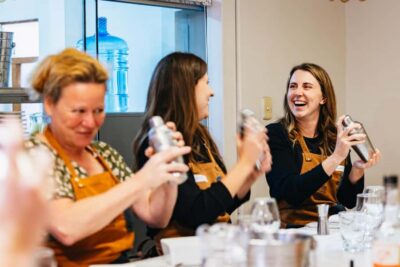
Peruvian Cooking Class, Cocktails & Local Market Tour
Read our review →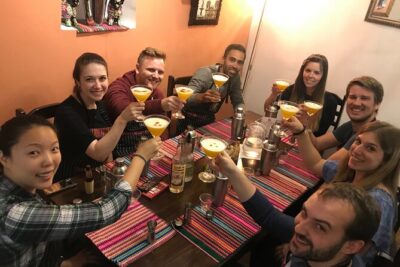
Hands-on Peruvian Cooking Class & San Pedro Market Visit in Cusco
Read our review →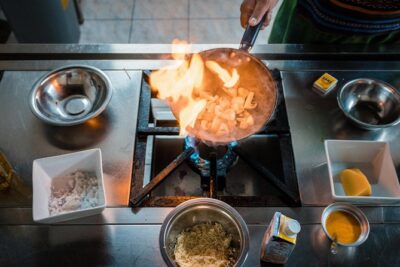
Local Market and Peruvian Cooking Class with Pisco Sour in Cusco
Read our review →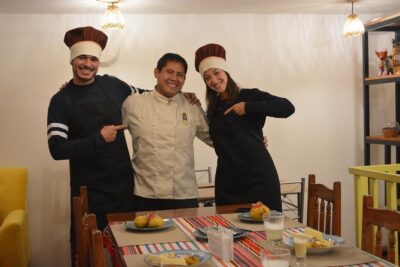
Traditional Peruvian Cooking Class and Market Tour in Cusco
Read our review →Browse the lists this tour appears in