
Reviewed · COOKING CLASSES
Private Cooking Class in Arequipa
Come hungry, leave with new skills. This private cooking class gives you a hands-on way to meet Peruvian food, from shaking a Pisco Sour to preparing ceviche with local ingredients. I especially like the small private setting and the chance to cook dishes you can recognize and order throughout Peru. The warm welcome from Marisa, her mother, and an interpreter also adds a personal touch that a large group class cannot match.
I also like the three-hour schedule, with morning, afternoon, and evening options. The main drawback is practical: transportation is not included, and the supplied details name both a kitchen studio in Los Portales de Cayma and a meeting point at Pancho Fierro 131. I would confirm exactly where to meet before setting out.
In This Review
- Key points at a glance
- Why a cooking class fits Arequipa so well
- Arriving at the kitchen in Los Portales de Cayma
- Starting with a homemade Pisco Sour
- Making causa limeña, Peru’s cold potato classic
- Preparing ceviche with avocado and sweet potato
- Finishing with mango and local fruit parfait
- The personal welcome from Marisa and her family
- What the $57 price includes
- Who will enjoy this private class most
- Booking, cancellation, and practical details
- Should you book the Arequipa cooking class?
- FAQ
- Where does the cooking class take place?
- How long does the experience last?
- What time slots are available?
- Is this a private activity?
- Is the class offered in English?
- What dishes will I prepare?
- Is dinner included?
- Are vegetarian options available?
- Is transportation included?
- Can I cancel for a full refund?
Key points at a glance
- Shake your own Pisco Sour: Learn the story behind Peru’s national cocktail, then prepare the drink yourself.
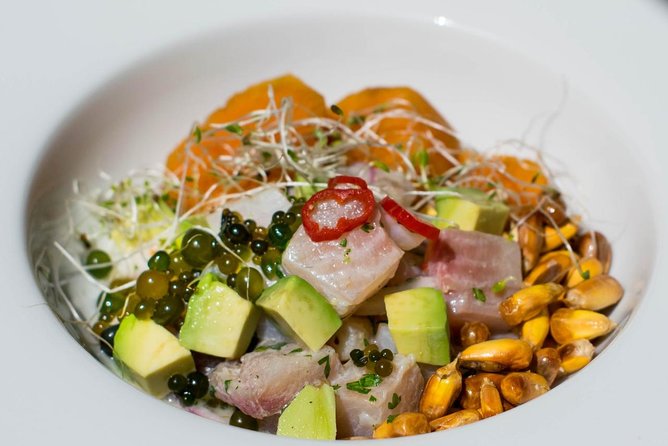
- Prepare ceviche with a modern twist: The class uses sashimi-style fish, Peruvian avocado, and sweet potato.
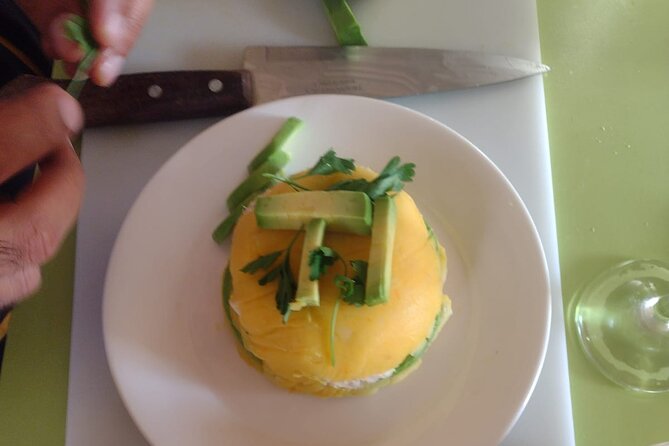
- Make a classic causa: You will work with the cold potato dish known as causa limeña, with chicken included in one version.
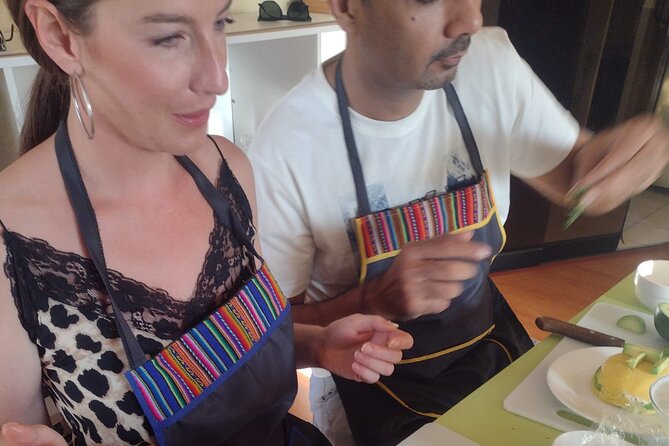
- Cook in a private group: Only your party takes part, making it easier to ask questions and work at a comfortable pace.
- Try local fruit as dessert: Mango and other exotic fruits are served as a parfait rather than a heavy final course.
- Vegetarian substitutions are available: Fish can be replaced with sweet cucumber, and meat with mushrooms.
Why a cooking class fits Arequipa so well
Arequipa is a good place to pause between sightseeing days and pay attention to what is on the plate. A cooking class gives you more than a meal. You learn the names, textures, and preparation methods behind food that can otherwise arrive at your table without much explanation.
This class focuses on a compact set of Peruvian favorites. You prepare a Pisco Sour, causa, ceviche, and a fruit dessert. That is a sensible menu for a three-hour session because it shows several sides of Peruvian cooking: a cocktail, a cold potato dish, a seafood preparation, and fresh fruit.
I like the balance. You are not spending the whole session on one complicated dish. At the same time, you are not simply watching someone else cook. The format is designed around participation, so you can shake, mix, assemble, and taste.
The private setup matters here. In a large class, you may spend much of the time waiting for a workstation or trying to hear instructions. With only your own group involved, you have a better chance to ask about ingredients and get help with technique. The experience is especially suited to couples, families, or a small group of friends who want a shared activity.
More cooking sessions in Arequipa:
- Peruvian Cooking Experience in Arequipa
★ 5.0 · 173 reviews - Peruvian Cooking Class in arequipa
★ 5.0 · 41 reviews - Arequipa: Peruvian Cooking Class
★ 4.4 · 9 reviews
Arriving at the kitchen in Los Portales de Cayma
The cooking studio is listed at Los Portales de Cayma, Pasaje Larilari i-3. The meeting point is given as Pancho Fierro 131 in Arequipa, and the activity ends back at the meeting point.
Because two location details are provided, I would not rely on guesswork. Check the booking confirmation and contact the provider, Luxury Machu Picchu, if the instructions are not clear. This is a small but important step, especially if you are working around a museum visit, a bus departure, or a dinner reservation.
Private transportation is not included. You will need to make your own way to the meeting point. The activity is near public transportation, which helps, but the details do not specify a pickup service or hotel transfer.
The class runs in three time blocks:
- 10:00 a.m. to 1:00 p.m.
- 2:30 p.m. to 5:30 p.m.
- 6:00 p.m. to 9:00 p.m.
The evening option is effectively a dinner activity, since dinner is included. The morning and afternoon sessions may fit better if you want the rest of the day free. I would allow enough time to reach the meeting point without rushing, since the class itself is built around a full three hours.
Starting with a homemade Pisco Sour
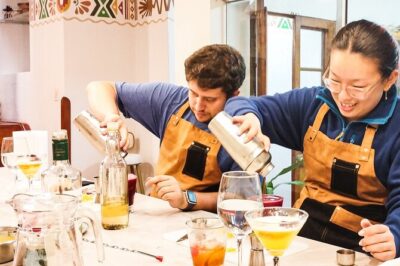
The session begins with a Pisco Sour. You shake your own drink and learn about the background of Peru’s national cocktail.
This is a smart opening. It gives you something to do right away, and it introduces Pisco in a social, low-pressure way. You are not just handed a drink at the table. You take part in making it, which makes the cocktail easier to remember when you see it on menus elsewhere.
The included drinks and food add value to the $57 price. The cost covers the Pisco Sour, dinner, snacks, and coffee or tea, along with the instruction and private format. For a three-hour activity, the price is not simply paying for a recipe lesson. It also covers a full meal and a personal encounter with a local host.
The cocktail portion should suit first-time visitors to Peru, even if you are not especially interested in mixology. The emphasis is on preparing and tasting the drink, not on turning you into a professional bartender. If you do not drink alcohol, the available information does not specify a replacement, so ask before booking.
Making causa limeña, Peru’s cold potato classic
Next comes causa, also called causa limeña. One version of the menu includes chicken, potato, and a cold pie-like preparation. The dish is assembled rather than served as a hot stew or roasted main course.
Causa is valuable to learn because it shows how simple ingredients can become a carefully shaped dish. Potatoes are central to Peruvian cooking, and this preparation gives you a different idea of what a potato dish can be. It is cool, layered, and suitable for a light meal or appetizer.
The class description identifies causa as an appetizer, while the sample menu also lists it as a main. That difference may reflect how the dish is portioned or presented. Either way, expect causa to be one of the main hands-on preparations.
One particularly useful detail comes from the way the cooking is taught. Marisa is described as attentive to detail, with high standards for how the food is prepared. That can be a plus if you want to learn proper technique rather than simply finish the recipe. It may feel more exacting than a casual demonstration, but you are likely to leave with a better understanding of what the dish should look and taste like.
A few more Arequipa trips worth lining up side by side
- 2 day 1 night trek / Colca Canyon
★ 5.0 · 1,069 reviews - From Arequipa: Colca Canyon Full-Day Guided Tour with Meals
★ 4.5 · 982 reviews - Tour to the Salinas Lagoon and National Reserve in Arequipa
★ 4.5 · 548 reviews - From Arequipa: Sillar Route Trek
★ 4.2 · 461 reviews
Preparing ceviche with avocado and sweet potato
Ceviche is the centerpiece of the class. Here, it is presented with a modern twist, using sashimi-style fish, Peruvian avocado, and sweet potato.
The class gives you a chance to work with one of Peru’s best-known dishes in a more direct way. Ceviche depends on freshness, balance, and timing. Preparing it yourself helps you understand how the fish, citrus, vegetables, and accompaniments come together instead of treating the dish as a mysterious restaurant plate.
The avocado and sweet potato also matter. They bring creamy and sweet notes to the sharp citrus and fish. That contrast helps explain why ceviche is often served with more than the fish itself.
The exact recipe details are not provided, so you should not expect a fixed list of every ingredient or a printed method unless the host supplies one. The description does make clear that the fish is prepared in a sashimi style and paired with Peruvian avocado and sweet potato.
If you are vegetarian, fish is replaced with sweet cucumber, described as a local fruit. Meat is replaced with mushrooms. These substitutions make the class possible for vegetarians, but you should tell the provider about your dietary needs when booking so the ingredients can be arranged properly.
The available information does not mention a vegan menu, allergy accommodations, or substitutions beyond fish and meat. If you have strict dietary restrictions, ask before paying.
Finishing with mango and local fruit parfait
Dessert is a mango and exotic fruit parfait. The fruit is served in an arranged, layered style rather than as a plain fruit plate.
This is a fitting finish after ceviche and causa. The meal stays light and fresh, with the fruit providing sweetness without another heavy dish. You get to taste local produce in a form that feels a little more special than simply cutting up a mango.
Coffee and tea are included, along with snacks. These extras are useful for the morning and afternoon sessions, when you may not think of the class as a full dinner. The menu is still substantial enough to replace a meal, particularly in the evening time slot.
One appeal of this dessert is its flexibility. Fruit-based dishes tend to work well for people who prefer a lighter end to a meal. Still, the details do not specify every fruit used, the ingredients in the parfait, or possible dairy content. Ask if that matters to you.
The personal welcome from Marisa and her family
The human side of the class is one of its strongest features. The experience is hosted in a home-style setting, and Marisa’s mother is part of the welcome. One session included an interpreter because Marisa did not speak English, and the interpreter ate with the group and joined the cooking.
That detail gives you a realistic picture of the atmosphere. Communication may involve an interpreter rather than a single English-speaking instructor handling every part of the lesson. The activity is offered in English, but the interpreter arrangement suggests you should expect a personal, informal format instead of a polished commercial kitchen lecture.
For many people, this is a benefit. The class feels connected to a household and a family way of preparing food. You are not just moving through a scripted demonstration. The interpreter can also help make the meal more social, especially when you sit down to eat what you prepared.
There is a tradeoff. If you need highly technical instruction in fluent English, communication may require patience. If you enjoy a relaxed cooking session and do not mind some translation, the family setting can make the class more memorable.
The warm welcome is repeated across the feedback available for this experience. The strongest praise centers on feeling comfortable, learning about eating culture, and enjoying the time with Marisa and her mother. That is worth more than a long ingredient list if your main goal is connection.
What the $57 price includes
At $57 per person, the class sits in the moderate range for a private three-hour food activity. The value depends on how much you care about personal instruction and a complete meal.
Your price includes:
- The three-hour cooking session
- Dinner
- A Pisco Sour
- Coffee or tea
- Snacks
- A private activity for your group
You are not paying only for food. You are paying for the instruction, the kitchen setting, the chance to prepare several dishes, and the fact that you do not share the class with unrelated participants.
The strongest value comes when you would otherwise book both a meal and a separate cultural activity. Here, the food and the lesson are combined. The price may feel less attractive if you only want a quick cooking demonstration or a cheap meal, since the class takes about three hours and requires you to reach the meeting point independently.
The activity is booked about seven days ahead on average. That does not guarantee availability, but it is a useful planning guide. If your Arequipa schedule is tight, booking about a week ahead gives you a better chance of getting the time slot you want.
Who will enjoy this private class most
I would recommend the class to you if you enjoy learning by doing. It is a good fit for people who want to understand Peruvian food beyond ordering ceviche in a restaurant.
It also works well for:
- Couples looking for a shared activity
- Families who want a meal they help prepare
- Small groups who prefer privacy
- Visitors interested in Pisco and Peruvian cuisine
- Vegetarians who want stated alternatives
- People who like informal, family-hosted experiences
You may want to choose another activity if you need hotel pickup, a large professional teaching kitchen, or a strictly structured English lesson. The class also may not suit someone who dislikes seafood, alcohol, cold dishes, or fruit desserts, though vegetarian substitutions are available for fish and meat.
The private format is a major advantage for families and friends. You can work at your own pace and share the food immediately. It is also a useful rainy-day plan or a break from churches, museums, and walking tours.
Booking, cancellation, and practical details
Confirmation is provided at the time of booking. The activity is private, so only your group participates.
You can cancel for a full refund if you do so at least 24 hours before the scheduled start time. Cancellations made less than 24 hours before the start are not refunded, and changes inside that period are not accepted. The cut-off uses Arequipa local time.
The experience requires a minimum number of participants. If it is canceled because that minimum is not reached, you are offered another date or experience, or a full refund.
Bring an appetite and arrive ready to work. Since transportation is not included, sort out your route before the class. Most importantly, verify the meeting instructions because Pancho Fierro 131 and the Los Portales de Cayma kitchen address are both given in the available details.
Should you book the Arequipa cooking class?
Book it if you want a private, social introduction to Peruvian food rather than a quick tasting. The menu covers Pisco Sour, causa, ceviche, and local fruit, and the class includes enough food to serve as a meal. The family welcome from Marisa and her mother adds warmth, while the interpreter helps bridge the language gap when needed.
I would skip it only if you need included transportation, a fully technical English-led lesson, or a menu built around hot meat dishes. For most food-minded visitors, $57 is fair for three hours of cooking, eating, and conversation. Confirm the meeting point, mention dietary needs, and choose your time slot carefully. Then let the potatoes, fish, fruit, and Pisco do the rest.
FAQ
Where does the cooking class take place?
The kitchen studio is located at Los Portales de Cayma, Pasaje Larilari i-3. The listed meeting point is Pancho Fierro 131, Arequipa 04017, Peru. Confirm the exact meeting instructions before the class.
How long does the experience last?
The cooking class lasts approximately three hours.
What time slots are available?
The available sessions run from 10:00 a.m. to 1:00 p.m., 2:30 p.m. to 5:30 p.m., and 6:00 p.m. to 9:00 p.m.
Is this a private activity?
Yes. Only your group participates in the activity.
Is the class offered in English?
Yes. The experience is offered in English. An interpreter may assist during the session if needed.
What dishes will I prepare?
The menu includes Pisco Sour, causa limeña, ceviche with a modern twist, and a dessert made with mango and local or exotic fruits.
Is dinner included?
Yes. Dinner is included, along with snacks, coffee or tea, and a Pisco Sour.
Are vegetarian options available?
Yes. Fish can be replaced with sweet cucumber, described as a local fruit, and meat can be replaced with mushrooms.
Is transportation included?
No. Private transportation is not included. The activity is near public transportation.
Can I cancel for a full refund?
Yes, if you cancel at least 24 hours before the experience start time. Cancellations made less than 24 hours before the start are not refunded.
Added recently around Arequipa
- gazebos cannon of the coca★ 5.0 · 28 reviews
- Sillar Route★ 5.0 · 4 reviews
- Salinas Lagoon + Mini Volcano DE Lojen★ 5.0 · 9 reviews
- Full Day Tour To The Salt Lake Salinas in Arequipa★ 4.5 · 34 reviews
- 3-Day Colca Canyon trek with Professional Guide★ 5.0 · 40 reviews
- Walking Tour Arequipa Including Santa Catalina Monastery★ 4.0 · 8 reviews
- Trekking, Waterfalls and Thermal Baths★ 4.5 · 47 reviews
- Walking City tour including the Monastery of Santa Catalina★ 5.0 · 6 reviews
Cooking Classes, compared.
Peruvian Cooking Class Cocktails and Market Tour in Cusco
Read our review →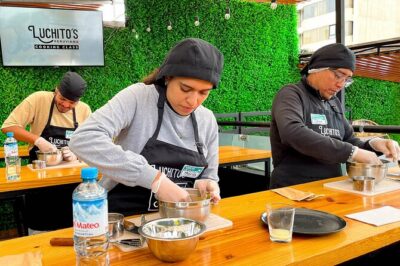
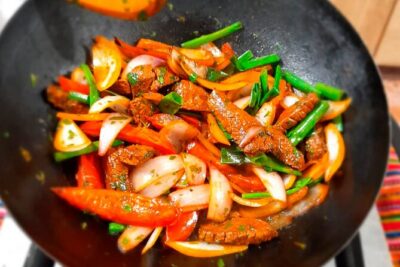
Peruvian Cooking Class, Local Market Tour & Exotic Fruit Tasting
Read our review →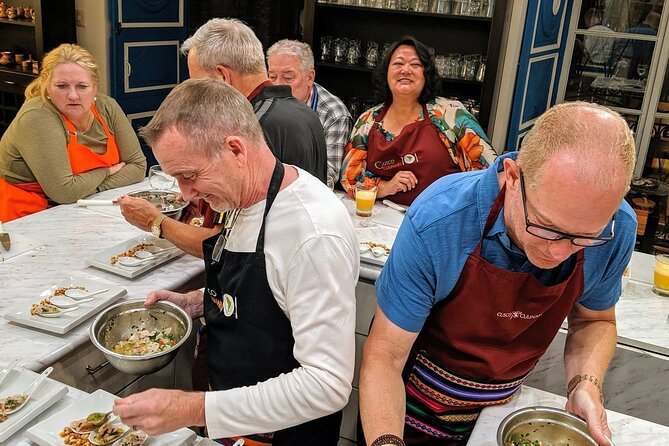
Cusco Cooking Classes and San Pedro Market Tour
Read our review →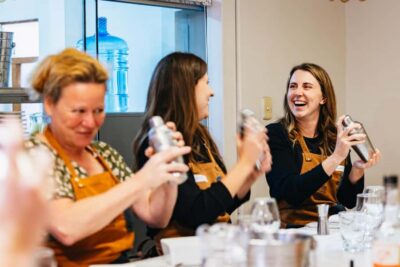
Peruvian Cooking Class, Cocktails & Local Market Tour
Read our review →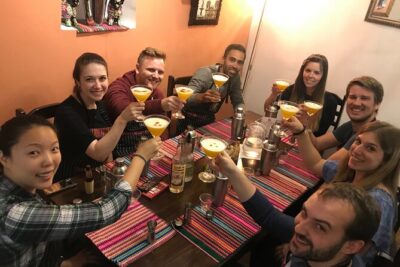
Hands-on Peruvian Cooking Class & San Pedro Market Visit in Cusco
Read our review →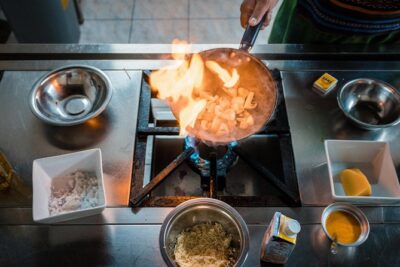
Local Market and Peruvian Cooking Class with Pisco Sour in Cusco
Read our review →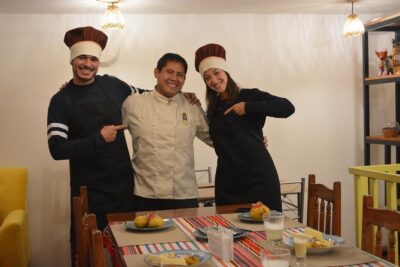
Traditional Peruvian Cooking Class and Market Tour in Cusco
Read our review →Browse the lists this tour appears in